




What's Happening?
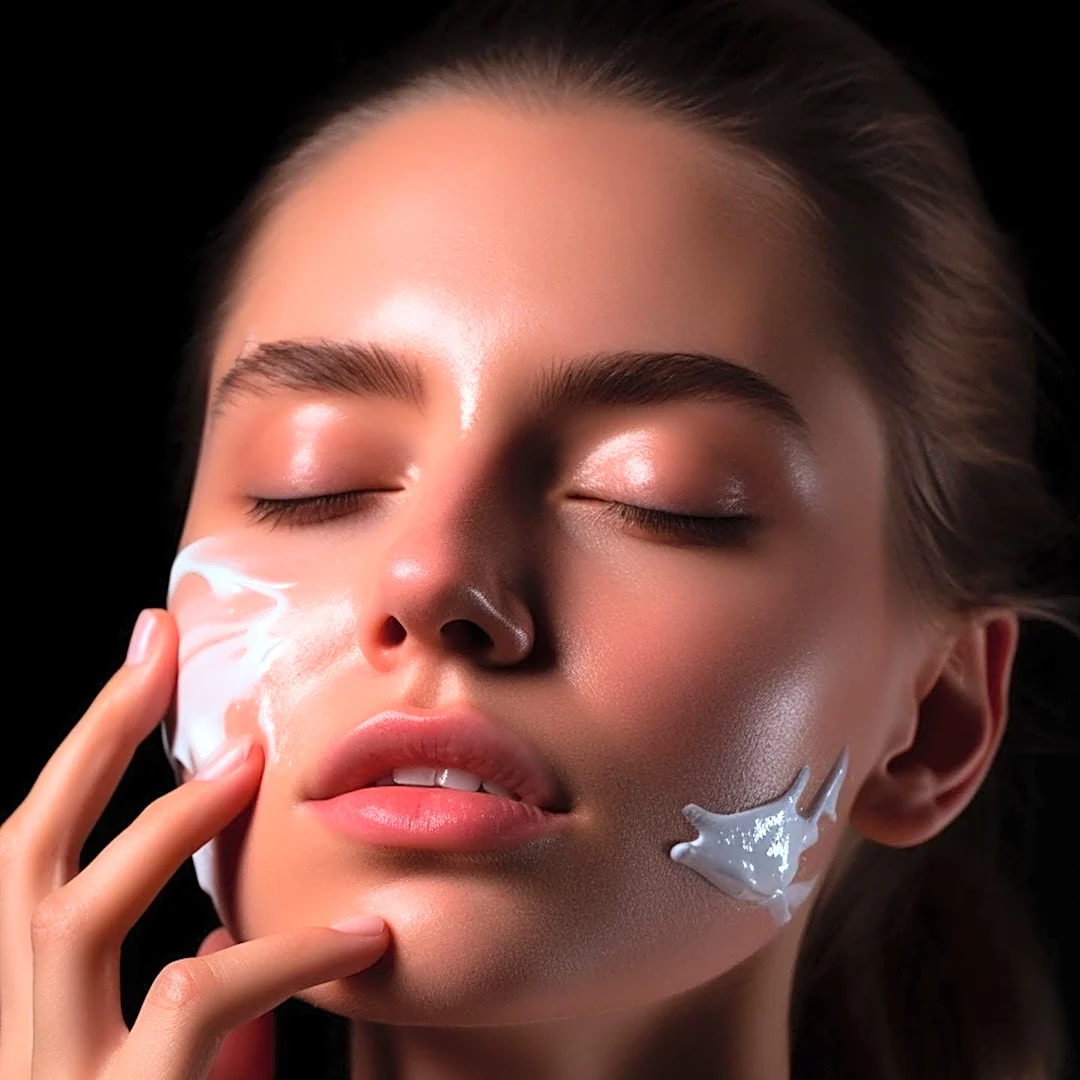
Skinimalism, a skincare philosophy advocating for fewer, carefully selected products, is gaining significant popularity. This trend encourages a simplified routine focusing on essential steps like consistent cleansing, appropriate hydration, and sun protection,
rather than elaborate multi-step regimens. It promotes healthy, comfortable skin over an unrealistic pursuit of perfection. The appeal of skinimalism stems from a desire to reduce unnecessary spending, save time, and better understand individual skin needs. This approach is particularly relevant during busy periods, travel, or when skin is sensitive. In the makeup sector, skinimalism translates to a dewy, fresh-faced look achieved with minimal products, often incorporating hybrid cosmetics that offer both skincare benefits and makeup aesthetics. The trend is also influenced by the growing demand for clean beauty and cruelty-free products, aligning with a broader consumer shift towards more natural and sustainable beauty practices. The United States is a significant market for this trend, particularly within the cosmetics industry, where there's a strong inclination towards active ingredients and natural alternatives.
Why It's Important?
The rise of skinimalism has several important implications for the U.S. beauty and wellness industries. Economically, it could lead to a shift in consumer spending patterns, potentially reducing sales of numerous single-purpose products in favor of multi-functional or essential items. This might challenge brands that rely on extensive product lines and encourage innovation in concentrated, effective formulations. For consumers, skinimalism offers financial benefits through reduced spending and time savings in daily routines. It also promotes a healthier relationship with beauty by fostering realistic expectations and reducing potential skin irritation from over-application of active ingredients. The trend's emphasis on natural and clean beauty aligns with increasing consumer demand for transparency and ethical sourcing, pushing manufacturers to adapt their product development and marketing strategies. The U.S. market's strong embrace of 'skinimalism' and active ingredients, as seen in the demand for products like Tremella Fuciformis Polysaccharide, highlights a significant opportunity for brands that can deliver high-quality, effective, and simplified solutions.
What's Next?
As skinimalism continues to evolve, the beauty industry is likely to see further innovation in product development, focusing on multi-tasking formulas and potent, yet gentle, ingredients. Brands will likely invest more in educating consumers about the benefits of simplified routines and the science behind their essential products. There may be a continued emphasis on sustainable packaging and refillable options, aligning with the minimalist and environmentally conscious aspects of the trend. The influence of social media and beauty influencers will remain crucial in shaping consumer perceptions and driving adoption, with a focus on showcasing natural, healthy skin. Furthermore, the demand for hybrid cosmetics that blend skincare and makeup will likely grow, offering consumers convenience and efficacy. Companies that can effectively communicate the value of fewer, better products, and cater to the desire for natural-looking, healthy skin, are well-positioned to thrive in this evolving market landscape.
Beyond the Headlines
Beyond the immediate market shifts, skinimalism reflects a deeper cultural movement towards conscious consumption and a re-evaluation of beauty standards. It challenges the long-standing industry narrative that more products equate to better results, encouraging consumers to question excessive routines and marketing claims. This trend could foster greater self-acceptance and body positivity by promoting natural skin and reducing pressure to achieve an 'unrealistic level of perfection.' Ethically, it aligns with growing concerns about environmental impact, as fewer products often mean less waste and a smaller carbon footprint. The emphasis on understanding one's own skin and its needs, rather than blindly following trends, empowers consumers with knowledge and agency. This shift could lead to a more informed and discerning consumer base, pushing the beauty industry towards greater transparency, efficacy, and sustainability in the long term. It also highlights a broader societal move towards simplifying various aspects of life, from possessions to daily routines.