






What's Happening?
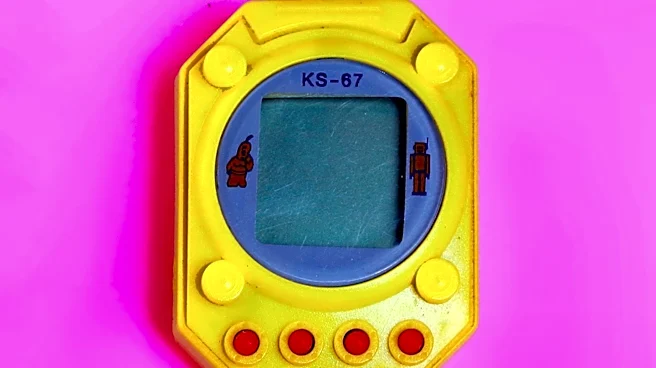
Nineties toys are experiencing a significant comeback, with millennial parents actively reintroducing classics like Tamagotchis, Care Bears, and Bop It to their own children. This resurgence is driven by the desire for screen-free entertainment, the timeless
appeal of imaginative play, and the inherent simplicity and durability of these older toys. Many iconic dolls, action figures, and games from the 1980s and 1990s are either still in production or have been reissued, making them accessible to a new generation. These toys, which include Polly Pocket, Barbie, Pokémon trading cards, and Super Soakers, are valued for encouraging creativity, problem-solving, and social interaction.
Why It's Important?
This trend holds significant implications for the U.S. toy industry and retail market. The renewed interest in nineties toys creates a lucrative market for reissues and retro-themed products, boosting sales for companies that can tap into this nostalgia. It also influences product development, as manufacturers may prioritize designs that emphasize durability, open-ended play, and less reliance on digital components, contrasting with the prevalence of screen-based entertainment. For parents, it offers a way to connect with their children by sharing beloved aspects of their own childhoods, fostering intergenerational bonding. Economically, it can lead to increased demand for collectible items and specialized retail segments catering to vintage toys, impacting both primary and secondary markets.
What's Next?
The toy industry is likely to continue capitalizing on this nostalgia by releasing more reissues and updated versions of popular nineties toys. Expect to see increased marketing efforts targeting millennial parents, highlighting the educational and developmental benefits of these classic playthings. Retailers may create dedicated sections for retro toys, and online marketplaces will likely see a continued surge in demand for vintage collectibles. This trend could also inspire new toy designs that blend modern safety standards and materials with the aesthetic and play patterns of the nineties. The focus will remain on providing engaging, interactive, and imaginative play experiences that resonate with both parents and children.
Beyond the Headlines
Beyond commercial aspects, the comeback of nineties toys reflects a deeper cultural yearning for simpler times and tangible play experiences. In an increasingly digital world, these toys offer a refreshing alternative, promoting hands-on creativity, social interaction, and imaginative storytelling without the distractions of screens. This movement can be seen as a counter-cultural response to the pervasive influence of technology on childhood, emphasizing the value of traditional play. It also highlights the enduring power of nostalgia as a cultural force, shaping consumer behavior and influencing how generations connect with their past. The shared experience of playing with these toys can strengthen family bonds and transmit cultural touchstones across generations, reinforcing a sense of continuity and shared heritage.