






What's Happening?
Power Design, a construction company, recently engaged with Florida political leaders, including U.S. Rep. Byron Donalds and Bryan Avila, to discuss the critical need for skilled trades workforce development in the state. The discussions, held at Power Design's
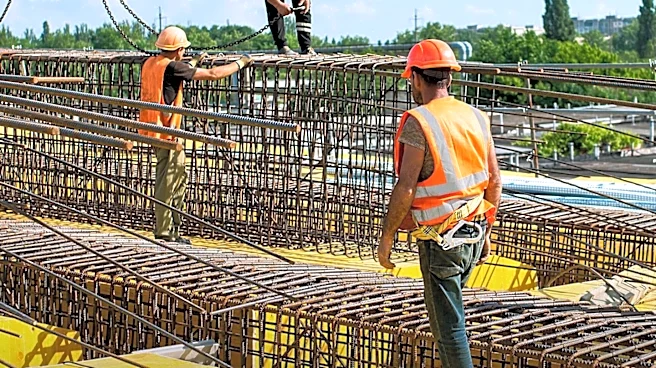
St. Petersburg facility, focused on strengthening pathways into skilled-trades careers, emphasizing education and apprenticeship opportunities. Florida's continuous population growth and construction activity are escalating the demand for skilled workers in various trades such as electrical, mechanical, and plumbing. Power Design highlighted that shortages in these occupations can impact project schedules, labor costs, and the ability of contractors to undertake additional work. The company is actively addressing this through its PowerU registered apprenticeship program, which provides training for entry-level workers, and its Build the Nation initiative, aimed at promoting awareness of construction occupations. This engagement underscores a broader effort by the construction industry to collaborate with policymakers and educators to build a sustainable workforce pipeline.
Why It's Important?
The initiative by Power Design to engage Florida leaders on skilled trades workforce development is crucial for the state's economic stability and growth. Florida's booming construction sector, driven by population influx, relies heavily on a steady supply of skilled professionals. A shortage of electricians, plumbers, and mechanical workers can lead to significant project delays, increased labor costs, and a reduced capacity for new developments, ultimately hindering economic expansion. For contractors and developers, investing in apprenticeship programs and early-career training offers a long-term strategy to secure qualified labor, reducing reliance on short-term recruitment and mitigating risks associated with workforce scarcity. This proactive approach helps align training programs with the practical demands of construction projects, ensuring that the workforce possesses the necessary skills. The collaboration between industry, educators, and government is vital to address these labor requirements effectively, safeguarding the future of Florida's construction industry and its contribution to the state's economy.
What's Next?
The discussions between Power Design and Florida leaders are expected to foster continued collaboration aimed at strengthening the state's skilled trades workforce. Future steps will likely involve further development and expansion of apprenticeship programs, potentially with increased government support and incentives. Policymakers may consider legislative actions or funding initiatives to enhance technical education and vocational training, making these career paths more accessible and attractive to prospective workers. Industry stakeholders, including contractors and trade associations, are anticipated to intensify their advocacy efforts, providing ongoing input to shape workforce policies. The focus will remain on creating robust pipelines of skilled labor to meet the escalating demands of Florida's construction sector. This ongoing dialogue and partnership are essential to ensure a sustainable supply of qualified professionals, which will be critical for the successful execution of future housing, infrastructure, and commercial projects across the state.
Beyond the Headlines
The engagement between Power Design and Florida leaders on skilled trades workforce development highlights a deeper societal and economic challenge: the perception and valuation of vocational careers. Historically, there has been a strong emphasis on four-year college degrees, often overshadowing the critical importance and rewarding nature of skilled trades. This societal bias has contributed to the current labor shortages in essential sectors like construction. The initiative by Power Design and the focus on apprenticeships represent a shift towards recognizing and promoting alternative educational and career pathways. This movement could lead to a broader re-evaluation of vocational training, potentially inspiring more young people to pursue skilled trades. Such a cultural shift would not only address immediate workforce needs but also foster a more diverse and resilient economy, where various forms of expertise are equally valued. It also touches upon the ethical responsibility of industries and governments to invest in human capital development, ensuring that individuals have access to meaningful employment opportunities and that critical infrastructure can be built and maintained.