







What's Happening?
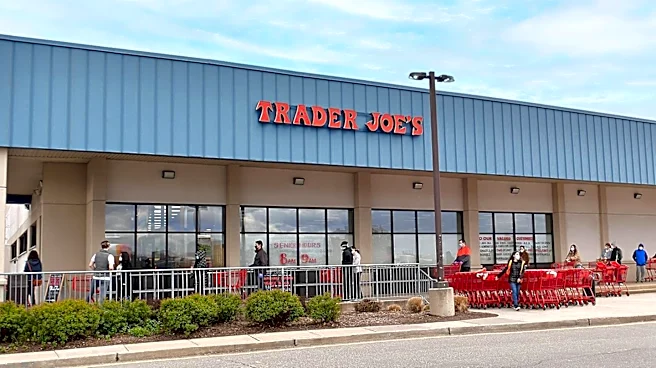
Trader Joe's continues to differentiate itself in the retail landscape by not offering grocery delivery, curbside pickup, or an online storefront. The company, which operates over 600 stores across 43 states, is notably absent from third-party delivery apps
like Instacart. According to an Inc. report, this strategic decision is rooted in the brand's commitment to its unique in-store experience. Ricky Volpe, an associate professor at Cal Poly San Luis Obispo, highlights that elements such as the store's décor, color scheme, layout, abundant staff, bell ringing, free samples, and the sense of discovery are central to Trader Joe's brand identity and success. These aspects, the company believes, cannot be replicated through an e-commerce grocery experience.
Why It's Important?
Trader Joe's' steadfast refusal to adopt online delivery or pickup options stands in stark contrast to the broader retail trend, where most supermarkets and department stores have embraced multiple fulfillment methods. This strategy underscores the company's belief that its distinctive in-store atmosphere is a core competitive advantage and a key driver of customer loyalty. While other retailers invest heavily in e-commerce infrastructure, Trader Joe's prioritizes the physical shopping journey, fostering a unique customer relationship. This approach challenges the conventional wisdom that all retailers must have an online presence to thrive, suggesting that a strong, differentiated in-person experience can still be a powerful business model. It also highlights the potential for brands to succeed by focusing on niche strengths rather than conforming to industry-wide trends.
What's Next?
It is unlikely that Trader Joe's will alter its stance on delivery or curbside pickup in the near future, given its consistent success with the current model. The company will likely continue to invest in enhancing its in-store experience, focusing on product innovation, store aesthetics, and customer service to maintain its unique appeal. Other retailers may observe Trader Joe's' success as a case study, potentially leading some to re-evaluate the balance between online convenience and in-store experience. However, the broader industry trend towards omnichannel retail is expected to continue, making Trader Joe's an increasingly distinct outlier. This could further solidify its brand identity as a destination for a specific type of shopping experience.
Beyond the Headlines
Trader Joe's' strategy offers a compelling counter-narrative to the pervasive digital transformation in retail. It suggests that in an increasingly digitized world, the value of tangible, sensory experiences can be amplified. The company's success without an online presence raises questions about the true cost and necessity of e-commerce for all businesses, particularly those with strong brand equity built on physical interaction. Ethically, it also implies a commitment to a more traditional retail employment model, potentially fostering a different kind of employee culture compared to the gig economy prevalent in delivery services. Culturally, Trader Joe's has cultivated a loyal following that values the 'treasure hunt' aspect of shopping, demonstrating that not all consumers prioritize speed and convenience above all else.