



What's Happening?
American consumers are increasingly participating in a 'treat economy,' opting for small, affordable luxuries like gourmet pastries, premium coffees, and high-quality wines rather than larger, more expensive indulgences such as full-service restaurant
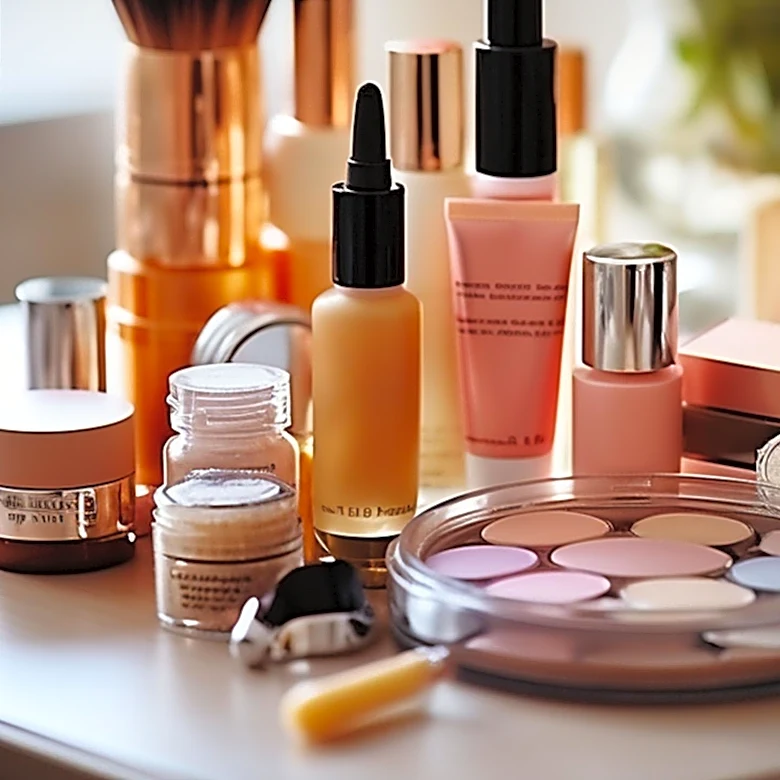
dining. This trend, sometimes referred to as 'treatonomics' or the 'lipstick effect,' indicates that during periods of economic uncertainty, consumers seek mood-boosting purchases that are financially manageable. Recent research from Survey Monkey shows that 62 percent of Americans indulge in small treats at least once a month, with a similar percentage spending in the food and beverage category. This shift is evident in the rising sales of specialty bakery items, craft beverages, and even higher-priced single bottles of wine over multiple cheaper ones. Many food businesses and restaurants are adapting by offering more accessible options, such as grab-and-go meals, takeout windows, and value-driven menu items, to meet this evolving consumer demand. For instance, some restaurants are introducing lower-priced bar menus or half-portion entrees to make luxury more affordable.
Why It's Important?
This shift in consumer behavior has significant implications for the U.S. retail and hospitality sectors. Businesses that can adapt to the 'treat economy' by offering high-quality, affordable luxury items are likely to thrive, while those focused solely on high-ticket experiences may face challenges. The trend highlights a consumer desire for emotional gratification and self-reward, even when broader economic conditions are tight. It suggests that consumers are not entirely cutting back on discretionary spending but are reallocating it to smaller, more frequent purchases that provide a sense of indulgence without a significant financial strain. This could lead to increased innovation in product development within the food and beverage industry, with a focus on premium ingredients and unique experiences at accessible price points. Furthermore, it underscores the importance for businesses to understand consumer psychology during economic fluctuations, recognizing that value can be perceived not just in low prices but also in the emotional benefit derived from a purchase.
What's Next?
Businesses in the food, beverage, and retail sectors are expected to continue adapting their strategies to cater to the 'treat economy.' This may involve further expansion of grab-and-go concepts, development of premium yet affordable product lines, and increased marketing efforts that emphasize the emotional benefits of small indulgences. Restaurants might further diversify their offerings to include more casual dining options, takeout-focused services, and value-oriented promotions to attract cost-conscious consumers. We may also see a rise in subscription services for gourmet items or curated 'treat boxes' that offer a sense of luxury at a predictable cost. Consumer demand for quality and unique experiences within this affordable luxury segment is likely to drive innovation, pushing companies to find creative ways to deliver perceived value. The long-term success of businesses will depend on their ability to consistently meet this demand for accessible indulgence while maintaining profitability.
Beyond the Headlines
The 'treat economy' reflects a deeper societal response to economic pressures and the psychological need for comfort and reward. It highlights how consumers cope with financial stress by seeking small moments of joy and self-care. This phenomenon could also be seen as a form of 'democratization of luxury,' where high-end experiences are broken down into more attainable components, making them accessible to a broader demographic. Ethically, businesses must ensure that these 'treats' are genuinely providing value and not simply capitalizing on consumer vulnerability during tough times. Legally, there might be increased scrutiny on marketing claims related to premium products to ensure transparency. Culturally, this trend reinforces the idea that self-indulgence, even in small doses, is an important aspect of well-being, potentially shifting societal norms around spending and saving. It also points to a long-term shift in consumer values, where experiences and emotional satisfaction increasingly rival traditional material possessions.