

What's Happening?
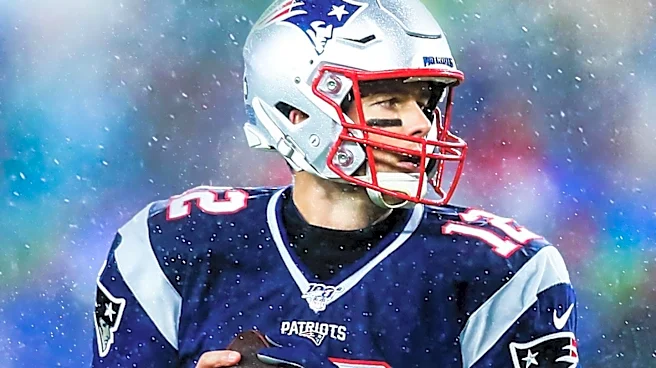
Former New England Patriots quarterback Tom Brady recently identified the confirmation of David Tyree's 'helmet catch' in Super Bowl XLII as the 'worst thing' he ever heard from a referee. This statement came during a FOX Sports podcast, where Brady discussed
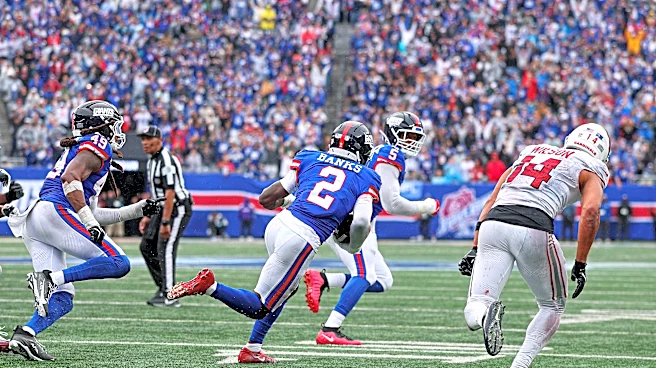
his long-standing frustration with the play. The incident occurred on February 3, 2008, when the New York Giants, trailing 14-10 in the final minutes, executed a 32-yard pass from Eli Manning to David Tyree. Tyree secured the ball against his helmet, leading to a crucial first down. Four plays later, the Giants scored the game-winning touchdown, defeating the previously undefeated Patriots 17-14 and ending their bid for a perfect season. Brady also mentioned a missed throw to Randy Moss later in the game as another significant regret. Despite the passage of nearly two decades, the Super Bowl XLII loss remains a poignant memory for the seven-time Super Bowl champion.
Why It's Important?
This revelation from Tom Brady underscores the lasting impact of pivotal moments in professional sports, particularly in high-stakes events like the Super Bowl. For athletes of Brady's caliber, who have achieved immense success, a single play or officiating call can leave an indelible mark, influencing their perception of their career and the sport itself. The 'helmet catch' is already etched in NFL history as one of the most improbable and iconic plays, and Brady's continued frustration highlights its significance beyond just the outcome of a game. It speaks to the emotional investment athletes have in their performance and the pursuit of perfection. The discussion also reignites conversations among fans and analysts about the role of officiating in critical moments and how such decisions can shape legacies and historical narratives within the NFL.
What's Next?
While Tom Brady has retired from playing, his continued presence in the sports media, including his role with FOX Sports, ensures that his perspectives on past games and officiating will remain relevant. His comments are likely to spark renewed debate among NFL fans, sports commentators, and former players about the fairness of the call and the broader implications of officiating in the league. This could lead to further discussions on sports talk shows and online platforms, potentially prompting other players or officials involved in the game to share their own recollections or insights. Brady's candidness also sets a precedent for how retired athletes might continue to engage with and influence the narrative of their sport, offering behind-the-scenes emotional context to historical events.
Beyond the Headlines
Brady's enduring frustration with the David Tyree catch transcends a simple loss; it delves into the psychological aspect of competitive sports and the pursuit of an unblemished record. The Patriots' quest for a perfect season, a feat rarely achieved in professional sports, amplified the sting of that defeat. The 'worst thing' comment reveals how deeply athletes internalize moments that prevent them from reaching ultimate historical milestones. It also touches upon the subjective nature of officiating and how a single judgment call can be viewed differently by those on opposing sides, even years later. This ongoing emotional resonance highlights the human element within professional sports, where even the most successful individuals grapple with perceived injustices or missed opportunities, shaping their personal and public narratives long after their playing days are over.