

What's Happening?
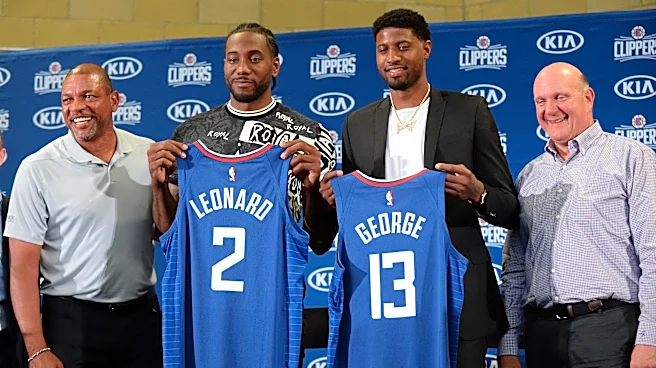
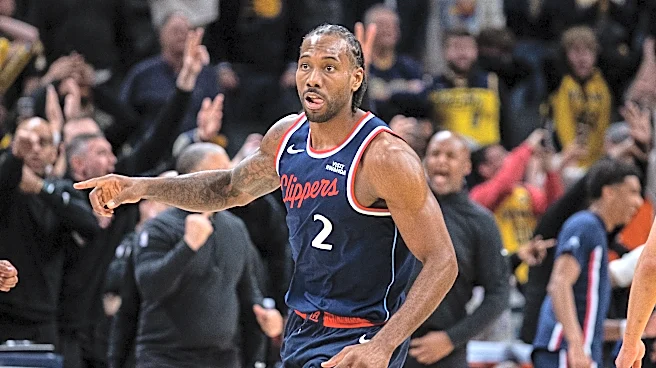
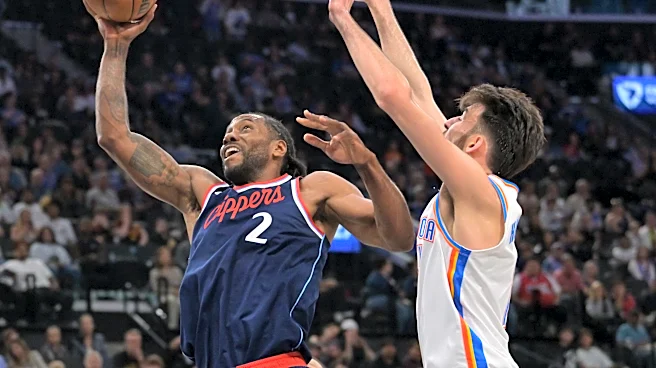
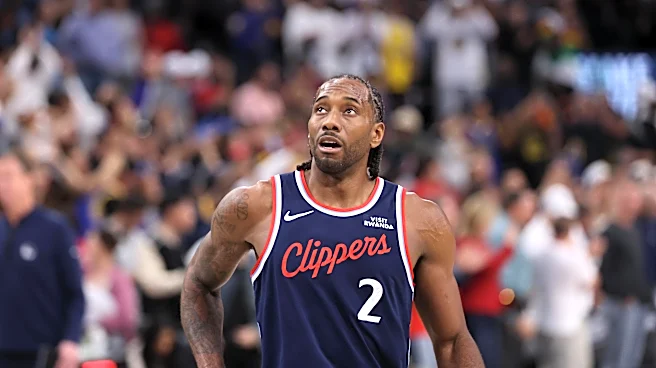
The NBA has announced severe penalties against the Los Angeles Clippers and their owner, Steve Ballmer, for circumventing the salary cap. This action stems from the team's efforts to acquire Kawhi Leonard in 2019, which included demands to also acquire Paul
George. To facilitate this, the Clippers traded Shai Gilgeous-Alexander, Danilo Gallinari, five first-round draft picks, and the right to swap two other first-round picks to the Oklahoma City Thunder. The league's investigation revealed that Ballmer knowingly sought to help Leonard obtain off-court income opportunities, a violation of the NBA's collectively bargained system for player compensation. As a result, Ballmer has been fined $30 million and suspended from all team and league activities for one year. The Clippers will also forfeit their first-round draft picks from 2029-33. Additionally, Gillian Zucker, Clippers president of business operations, is suspended without pay for one year, and Lawrence Frank, president of basketball operations, is suspended without pay for six months. Kawhi Leonard himself faced a $700,000 fine in connection with the controversy.
Why It's Important?
This ruling is a significant moment for the NBA, marking a rare instance where a team owner faces such severe repercussions for violating league rules. It underscores the NBA's commitment to maintaining the integrity of its salary cap system, which is a fundamental component of competitive balance. The penalties send a clear message that attempts to circumvent these rules, even by high-profile owners, will not be tolerated. The forfeiture of numerous first-round draft picks will have a long-term impact on the Clippers' ability to build their roster through the draft, potentially affecting their competitiveness for over a decade. This decision also highlights the ongoing tension between player empowerment and ownership's influence, with the league asserting its authority to regulate financial dealings that could distort the competitive landscape. The disparity in punishment between Leonard and the Clippers' ownership and executives suggests a focus on holding those with institutional power more accountable for systemic violations.
What's Next?
The Los Angeles Clippers will face immediate operational challenges due to the suspensions of key executives, Gillian Zucker and Lawrence Frank, and owner Steve Ballmer's year-long suspension from all team and league activities. The forfeiture of first-round draft picks from 2029-33 will necessitate a strategic shift in how the team approaches roster construction and talent acquisition in the coming years. They will need to rely more heavily on free agency, trades, and developing undrafted talent. The NBA's decision may also prompt other teams and owners to review their compliance practices to avoid similar penalties. This event could lead to further discussions within the league about the balance of power between players and owners, and the mechanisms in place to prevent future circumvention of salary cap rules. The long-term impact on the Clippers' franchise value and fan engagement will be closely monitored as they navigate these sanctions.
Beyond the Headlines
This case delves into the deeper ethical and legal dimensions of professional sports, particularly concerning the conduct of team ownership. The NBA's strong stance against Steve Ballmer and the Clippers for 'knowingly seeking to help Mr. Leonard obtain off-court income opportunities' underscores the league's role in regulating financial arrangements that extend beyond standard player contracts. It highlights the potential for wealthy owners to leverage their resources in ways that could undermine the spirit of fair competition. The controversy also touches upon the broader issue of player empowerment, suggesting that while players have gained significant influence, the league is prepared to draw lines when ownership crosses ethical boundaries. The involvement of Aspiration Fund Adviser LLC, a green banking company whose co-founder was later sentenced for fraud, adds a layer of complexity, linking sports finance to wider corporate governance and legal accountability. This incident could serve as a precedent, influencing how other professional sports leagues address similar issues of financial impropriety and competitive integrity.