


What's Happening?
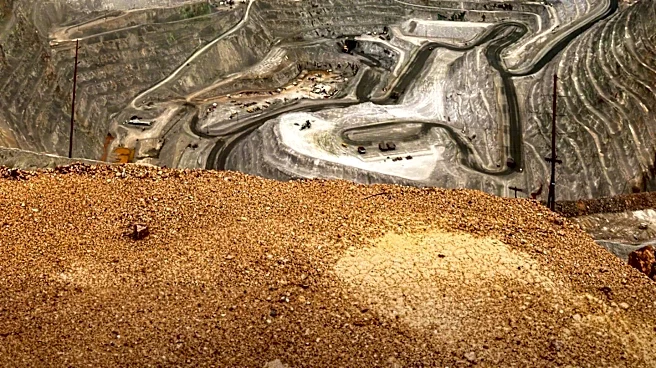
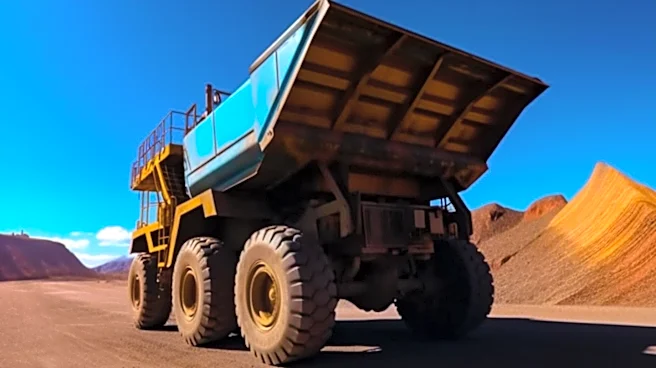
The mining industry is increasingly adopting AI technologies to enhance predictive maintenance and move towards autonomous operations. AI systems analyze data from sensors to predict equipment failures, optimize haulage, and improve safety and environmental
performance. Predictive maintenance, a mature application of AI in mining, uses machine learning to detect equipment degradation before it leads to failures. The industry is also exploring the use of digital twins to simulate and test maintenance strategies. As AI investment in mining grows, the focus is shifting from isolated analytics to integrated systems that connect AI insights with operational decision-making processes.
Why It's Important?
AI's application in mining is significant as it addresses critical challenges such as equipment downtime, safety, and environmental impact. By predicting maintenance needs and optimizing operations, AI can reduce costs and improve efficiency, which is vital for the industry's profitability. The integration of AI into mining operations also supports sustainability goals by enhancing environmental monitoring and reducing resource waste. As the industry invests more in AI, there is potential for transformative changes in how mines are managed, leading to safer and more efficient operations. However, the successful implementation of AI requires overcoming challenges related to data quality, connectivity, and workforce readiness.
What's Next?
The mining industry is expected to continue expanding its use of AI, with a focus on integrating AI insights into broader operational workflows. This will involve developing systems that not only predict failures but also recommend and execute maintenance actions. As AI systems become more autonomous, there will be a need for robust cybersecurity measures to protect operational data and ensure system reliability. The industry will also need to address workforce challenges by providing training and support to ensure that employees can effectively work with AI technologies. The development of digital twins and other advanced AI applications will likely play a key role in the industry's future.