


What's Happening?
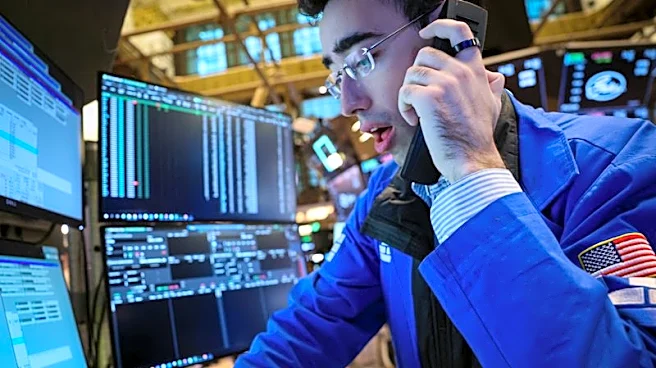
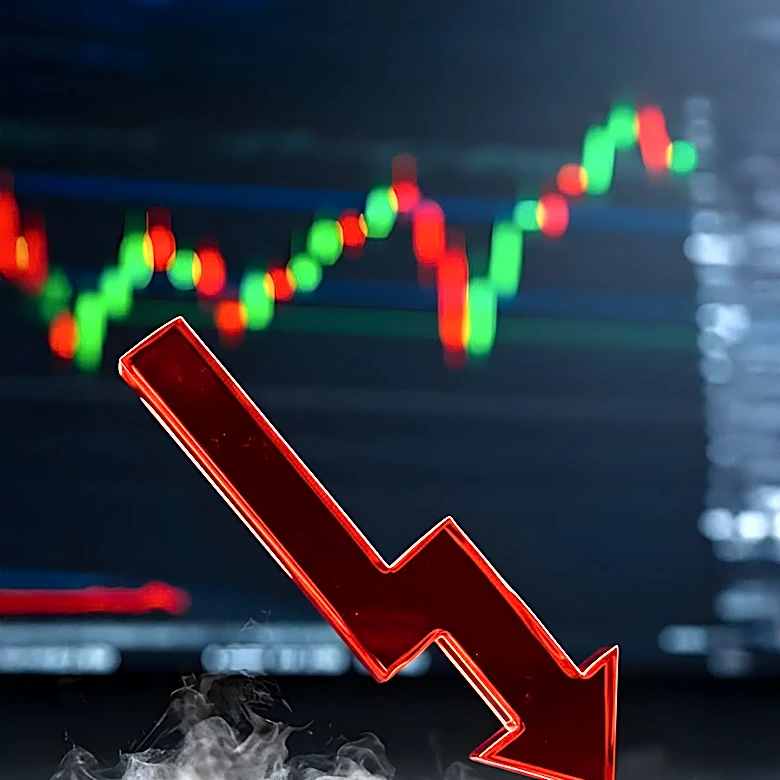
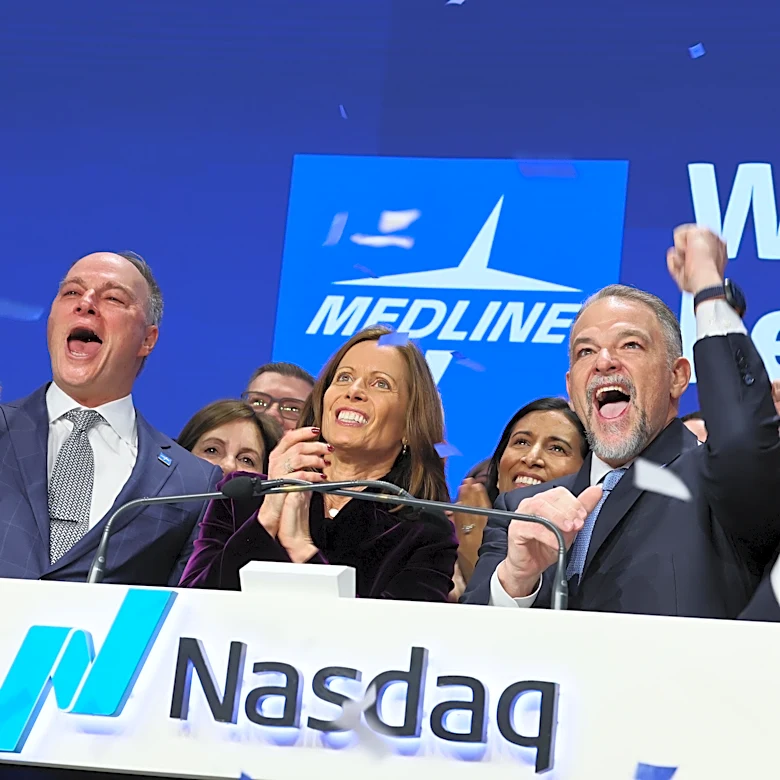
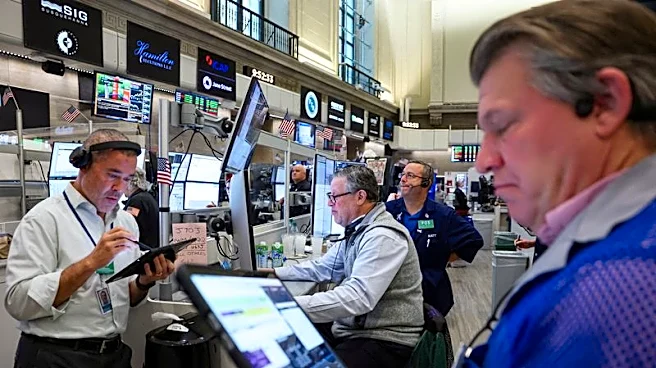
The AI sector of the stock market experienced a substantial downturn this week, with the tech-heavy Nasdaq dropping 10%, marking its worst performance since March 2020. The S&P 500 and the Dow Jones Industrial Average also entered a correction, signifying
a 10% drop from their recent highs. Even Anthropic, an AI giant, saw its stock slump more than 8% by Friday's close, nearing its IPO price despite an initial 17% gain on its debut. This market correction is attributed to growing fears about the sustainability of the AI trade, which has powered markets to record highs and supported the broader economy. Factors contributing to this include the Federal Reserve's interest rate hike, making borrowing more expensive for AI companies, and increased regulatory scrutiny from a newly constituted Congress.
Why It's Important?
The significant drop in AI-related stocks raises alarms about a potential bubble bursting, similar to the dot-com bust of 2000. While some experts, like Hank Smith, head of investment strategy at Haverford Trust, argue that current AI companies like Meta and Apple are more established than many dot-coms were, the interconnectedness of the AI ecosystem presents a new risk. Companies like Nvidia, a major investor in and lender to other AI firms such as Anthropic and CoreWeave, create a circular financing system. If one or two companies face trouble, it could trigger a chain reaction, potentially leading to a broader financial crisis. The U.S. economy has become increasingly reliant on AI investments, with the sector contributing to job creation and economic growth. A faltering AI boom could have ripple effects far beyond the tech world, impacting index funds, pensions, and 401(k)s, as AI-related stocks constitute a substantial portion of the S&P 500.
What's Next?
The immediate future for the AI market appears uncertain, with experts like Hank Smith suggesting that a quick recovery is unlikely. Investors will be closely watching for signs of stabilization or further declines. The increased cost of borrowing due to higher interest rates will continue to challenge AI companies needing capital for data center expansion. The regulatory environment is also a key factor, as Congress is expected to take a tougher stance on the AI sector. Companies within the AI ecosystem will need to navigate these financial and regulatory headwinds, potentially re-evaluating their growth strategies and financing models. The debate on whether the AI sector is in a bubble will likely intensify, influencing investor confidence and market behavior in the coming months.
Beyond the Headlines
The recent downturn in AI stocks highlights a critical tension between rapid technological advancement and market sustainability. The interconnected financial relationships within the AI sector, where major players invest in and lend to each other, create a complex web of dependencies. This structure, while fostering innovation, also amplifies systemic risk. The public's perception of AI, fueled by both excitement and regulatory concerns, plays a significant role in market sentiment. The potential for a 'bubble' scenario raises ethical questions about responsible investment and the long-term societal impact of unchecked growth in emerging technologies. Furthermore, the political landscape, with increased regulatory interest, suggests a shift towards greater oversight, which could temper the pace of AI development but also potentially stabilize the market in the long run by mitigating speculative excesses.