







What's Happening?
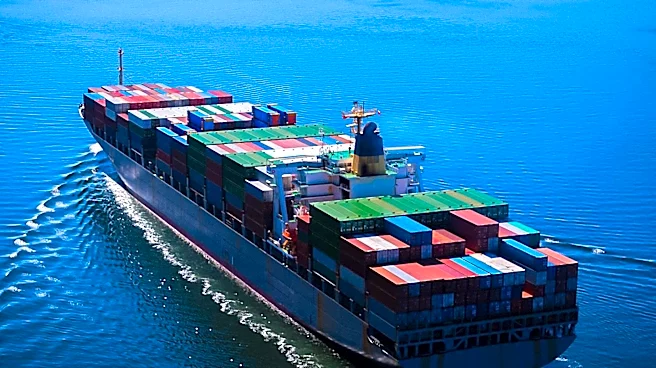
Ocean Network Express (ONE) is implementing a Europe Environment Surcharge (EES) effective October 1, 2026, to align with new and evolving environmental regulatory standards. This surcharge, which was initially introduced on January 1, 2025, will see
a quarterly tariff adjustment. The EES will now expand its coverage to include all cargo entering or exiting the United Kingdom, as ONE will commence the mandatory surrender of United Kingdom Allowances (UKAs) for 100% of its verified greenhouse gas (GHG) emissions within the expanded UK Emissions Trading Scheme (UK ETS) starting July 1, 2026. Furthermore, the European Union Emissions Trading System (EU ETS) will enter its full compliance phase on January 1, 2026, requiring the mandatory surrender of European Union Allowances (EUAs) for 100% of verified emissions, up from 70% in 2025. This expansion will also include methane (CH₄) and nitrous oxide (N₂O) in emissions accounting. The adjusted EES will incorporate the UK ETS portion alongside existing EU ETS and Fuel EU Maritime costs to streamline billing and maintain transparency.
Why It's Important?
This implementation of the expanded Europe Environment Surcharge by a major shipping carrier like Ocean Network Express signifies a significant shift in the operational costs and regulatory landscape for international trade, particularly impacting U.S. businesses engaged in transatlantic shipping. The inclusion of the UK ETS and the full compliance phase of the EU ETS, which now covers additional potent greenhouse gases, will likely lead to increased shipping costs for goods moving between the U.S. and Europe. U.S. importers and exporters will need to factor these surcharges into their supply chain planning and pricing strategies. This move reflects a broader global trend towards stricter environmental regulations in the shipping industry, driven by efforts to reduce greenhouse gas emissions. Businesses that rely on cost-effective shipping to maintain competitiveness may face challenges, potentially leading to price adjustments for consumers or a re-evaluation of sourcing and distribution channels. The transparency in billing, while intended to simplify compliance, still represents an additional financial burden that could affect profit margins for U.S. companies.
What's Next?
The EES tariffs will be reviewed quarterly, with potential changes announced with prior notice, indicating an ongoing need for businesses to monitor these costs closely. The full compliance phase of the EU ETS, starting January 1, 2026, and the mandatory surrender of UKAs from July 1, 2026, will solidify these environmental costs as a permanent fixture in shipping expenses. U.S. businesses involved in trade with Europe and the UK will need to adapt to these new cost structures and potentially explore more environmentally friendly shipping options or alternative supply chain routes to mitigate the impact. The shipping industry as a whole is expected to continue evolving its practices to meet these stringent environmental standards, which could lead to further technological advancements in vessel efficiency or the adoption of alternative fuels. Stakeholders, including U.S. trade associations and government bodies, may engage in discussions with their European counterparts to understand the full implications and ensure fair trade practices amidst these new environmental regulations.
Beyond the Headlines
The expanded Europe Environment Surcharge and the underlying regulatory frameworks highlight a deeper global commitment to combating climate change through economic mechanisms. This move by the EU and UK signals a growing trend where environmental externalities are increasingly internalized into the cost of doing business, particularly in high-emission sectors like shipping. For U.S. businesses, this could accelerate the adoption of sustainable practices and investments in green technologies to remain competitive in international markets. It also raises questions about the potential for similar environmental surcharges to be implemented in other major trade blocs, creating a complex web of global environmental compliance. The inclusion of methane and nitrous oxide in emissions accounting underscores a more comprehensive approach to greenhouse gas reduction, moving beyond just carbon dioxide. This could set a precedent for future environmental policies, pushing industries worldwide to address a broader spectrum of their environmental footprint. The long-term implications could include a significant transformation of global supply chains, favoring regions and companies with lower environmental impacts.