




What's Happening?
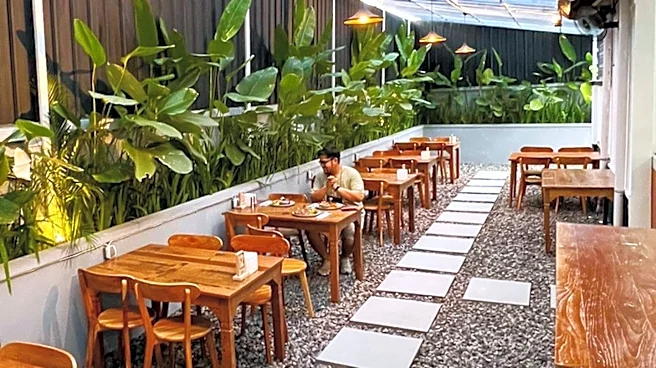
Several restaurants and patios in Baltimore are increasingly embracing dog-friendly dining, offering more than just permission for pets to be present. Establishments like Urban Deli, Kooper’s Tavern, The Point in Fells, Gunther & Co., Good Boy Bagels,
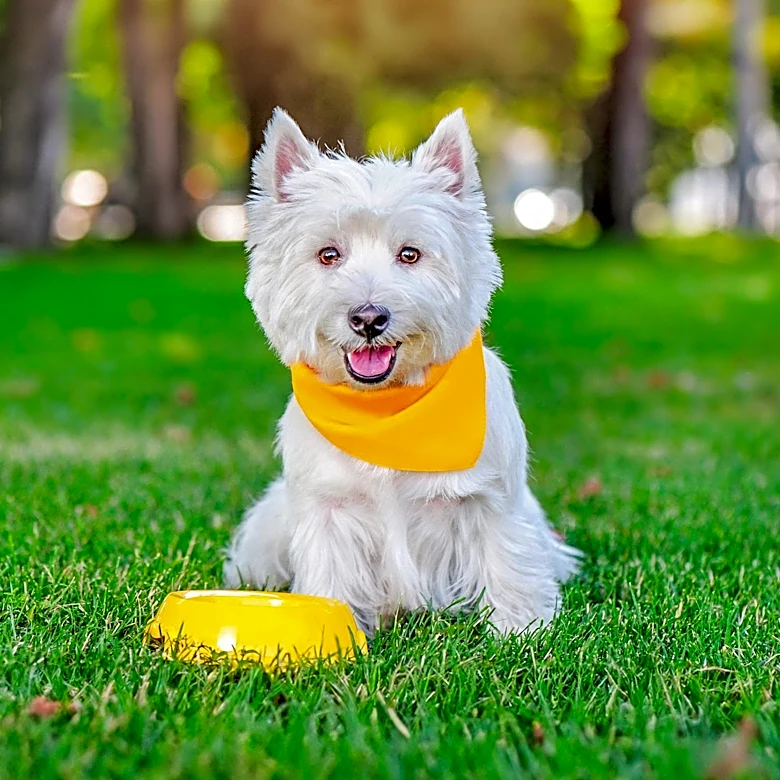
Bmore Licks, and Hampden Yards are providing dedicated amenities for canine companions. These include water bowls, biscuits, special 'Canine Cuisine' menus, and even photo opportunities for visiting dogs. Some venues, like Good Boy Bagels, have implemented systems for owners to order without leaving their dogs unattended, while others, such as Urban Deli, support animal welfare organizations through their sales. This trend reflects a growing demand for inclusive dining experiences that cater to pet owners.
Why It's Important?
The rise of dog-friendly dining in Baltimore signifies a significant shift in the hospitality industry, recognizing the increasing role pets play in people's lives. This trend can boost local economies by attracting pet owners who might otherwise dine at home or seek out less formal options. For businesses, offering pet-friendly amenities can create a unique selling proposition, fostering customer loyalty and generating positive word-of-mouth. It also contributes to a more inclusive and community-oriented urban environment, where pets are seen as integral family members. This movement can also influence urban planning and public policy, potentially leading to more pet-friendly public spaces and regulations that support such establishments, ultimately enhancing the quality of life for pet owners in the city.
What's Next?
The trend of dog-friendly dining is likely to continue expanding in Baltimore and other urban areas, with more establishments adopting similar practices. This could lead to increased competition among businesses to offer unique and appealing amenities for pets. We may see further innovations in pet-friendly services, such as specialized events, partnerships with pet care businesses, or even dedicated pet-friendly sections within restaurants. Local governments might also respond by developing clearer guidelines or regulations for pet-friendly establishments, balancing public health concerns with the desire for inclusive spaces. This evolution could also encourage other sectors, such as retail and tourism, to become more accommodating to pets, creating a more comprehensive pet-friendly ecosystem.
Beyond the Headlines
The growing acceptance of dogs in dining spaces reflects a broader cultural shift towards humanizing pets and integrating them more fully into daily life. This phenomenon has ethical and social dimensions, prompting discussions about animal welfare, responsible pet ownership, and the boundaries of pet inclusion in public spaces. It also highlights the psychological benefits of pet companionship, as people seek to share more experiences with their animals. The economic impact extends beyond direct sales, influencing industries like pet food, accessories, and veterinary services. As this trend evolves, it will continue to shape urban lifestyles, community interactions, and the very definition of public and private spaces, challenging traditional norms and fostering a more pet-inclusive society.