





What's Happening?
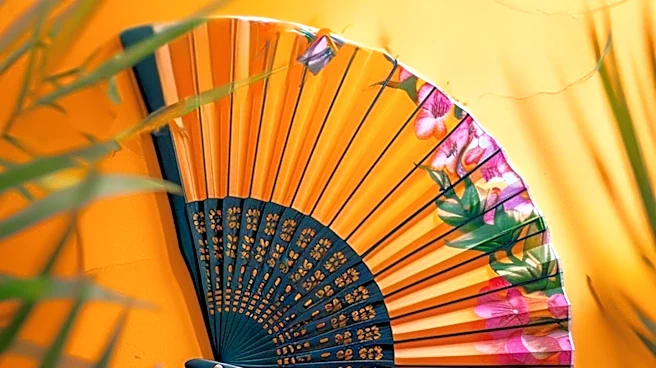
As Spain and other European countries experience prolonged heatwaves, the traditional Spanish folding hand fan, known as the 'abanico,' is witnessing a significant resurgence in popularity. This centuries-old accessory, small enough to fit into a purse,
provides a surprisingly strong breeze with a flick of the wrist. Temperatures in Madrid recently reached 39°C, making the abanico an essential item for both locals and tourists. Javier Llerandi, whose family has sold abanicos for over 150 years at Casa de Diego in Madrid, notes a significant increase in sales, stating, 'We live from the heat.' These fans, made in Spain, range from simple wooden designs to elaborate, hand-painted pieces crafted from mother-of-pearl, with prices varying from around €30 to €6,000 depending on materials and craftsmanship. The convenience and reliability of abanicos are highlighted, as they do not run out of power like battery-operated alternatives. The trend is observed across demographics, with women and an increasing number of men using them in public transport, concerts, and festivals.
Why It's Important?
The renewed popularity of the abanico signifies more than just a practical response to extreme weather; it reflects a cultural re-embrace of traditional items in modern contexts. This trend highlights how climate change, manifesting as more frequent and intense heatwaves, can influence consumer behavior and revive demand for historical products. For businesses like Casa de Diego, it provides a significant boost, demonstrating the economic resilience of heritage crafts. The abanico's resurgence also underscores a preference for sustainable, non-electric cooling methods, aligning with growing environmental consciousness. Furthermore, it showcases how cultural symbols can adapt and remain relevant, transcending their historical roles (such as in flamenco or as a tool for discreet communication) to serve contemporary needs. The increased demand also supports local artisans and manufacturers, preserving traditional skills and contributing to the local economy, particularly in regions known for fan-making like Valencia.
What's Next?
As climate models predict more frequent and intense heatwaves across Europe, the demand for traditional cooling methods like the abanico is likely to continue growing. This sustained demand could lead to increased production, potentially revitalizing the fan-making industry in Spain. Manufacturers might explore new designs, materials, and marketing strategies to appeal to a broader, global audience seeking stylish and sustainable ways to combat heat. The trend could also inspire other regions experiencing similar climate challenges to rediscover and promote their own traditional cooling accessories. Retailers, from high-end boutiques to souvenir kiosks, are expected to continue stocking a wide range of abanicos to meet diverse consumer needs. Additionally, the cultural significance of the abanico may be further amplified, potentially leading to its greater integration into fashion and lifestyle trends as a symbol of elegance and practicality in hot climates.
Beyond the Headlines
The resurgence of the abanico offers a fascinating case study in how cultural heritage can intersect with contemporary environmental challenges. Beyond its immediate utility, the hand fan carries a rich history of social communication and artistic expression, particularly in Spanish culture. Its renewed prominence could spark a deeper appreciation for traditional craftsmanship and the stories embedded within such objects. Ethically, it presents a sustainable alternative to energy-intensive cooling solutions, prompting discussions about eco-friendly living and consumption patterns. Culturally, it reinforces national identity and pride, as a distinctly Spanish item gains global attention. This phenomenon also subtly challenges the dominance of modern technology, demonstrating that sometimes the simplest, time-tested solutions are the most effective and enduring. The abanico's moment in the sun suggests a broader societal shift towards valuing authenticity, sustainability, and cultural roots in the face of global changes.