






What's Happening?
Christopher Nolan, renowned for his meticulous approach to filmmaking, has been highlighted for his unique leadership style on set. According to actors who have worked with him, Nolan is known for leading by example, often undertaking tasks himself before
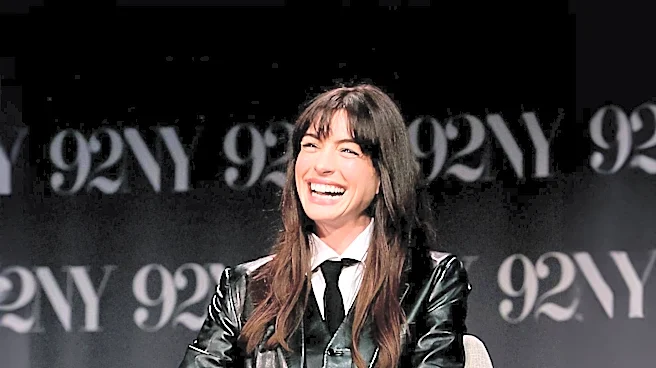
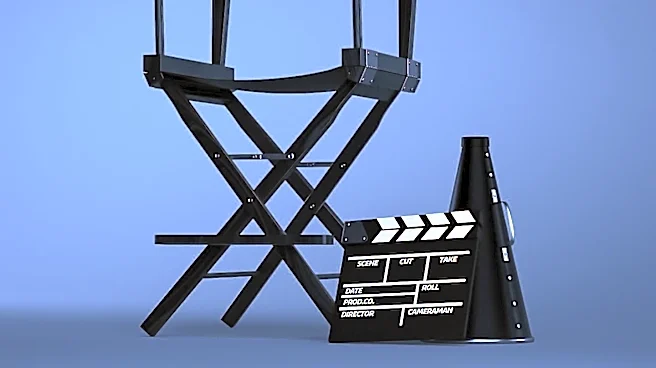
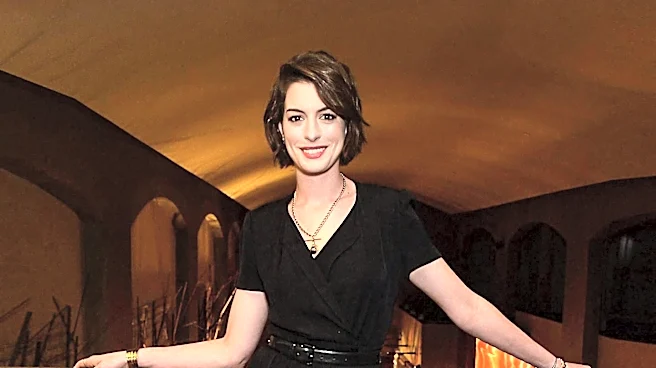
asking others to do so. This approach was notably demonstrated during the filming of 'Dunkirk,' where Nolan personally tested a risky scene before allowing actor Cillian Murphy to proceed. Additionally, Nolan's sets are known for their lack of chairs and water bottles, a decision aimed at minimizing distractions and maintaining focus. This practice, as noted by actors like Anne Hathaway and Mark Rylance, contributes to Nolan's ability to complete projects under budget and ahead of schedule.
Why It's Important?
Nolan's leadership style is significant as it offers insights into effective management practices in high-pressure environments. By eliminating distractions and leading by example, Nolan fosters a disciplined and efficient work culture. This approach not only enhances productivity but also ensures the safety and well-being of his team, as evidenced by his willingness to personally undertake risky tasks. Such practices can serve as a model for leaders in various industries, emphasizing the importance of commitment, focus, and leading from the front. Nolan's success in consistently delivering high-quality films under budget further underscores the potential benefits of his leadership methods.
What's Next?
As Nolan continues to work on new projects, his leadership style is likely to influence both his current and future collaborators. The film industry may see a shift towards similar practices, with other directors adopting elements of Nolan's approach to improve efficiency and team morale. Additionally, Nolan's methods could inspire leaders in other fields to reevaluate their management strategies, particularly in terms of reducing workplace distractions and fostering a culture of accountability and example-setting.
Beyond the Headlines
Nolan's approach also raises questions about the balance between discipline and creativity in the arts. While his methods have proven successful, they may not be suitable for all creative environments, where flexibility and spontaneity are often valued. The absence of chairs and water bottles, while effective for maintaining focus, could be seen as overly rigid by some. This highlights the ongoing debate about the best ways to manage creative teams and the potential need for tailored approaches depending on the specific context and goals of a project.