


What's Happening?
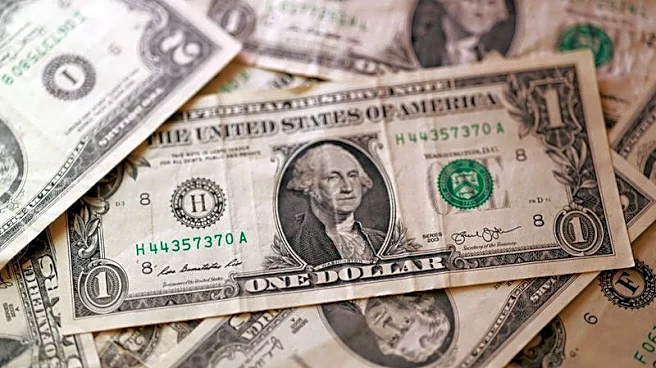
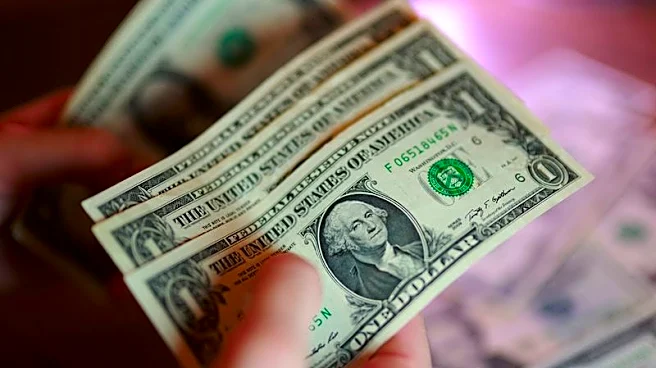
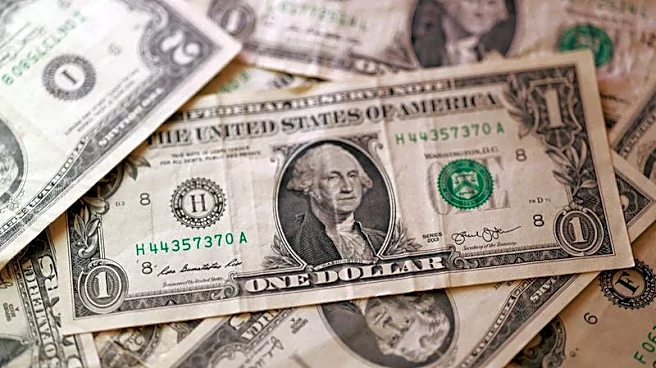
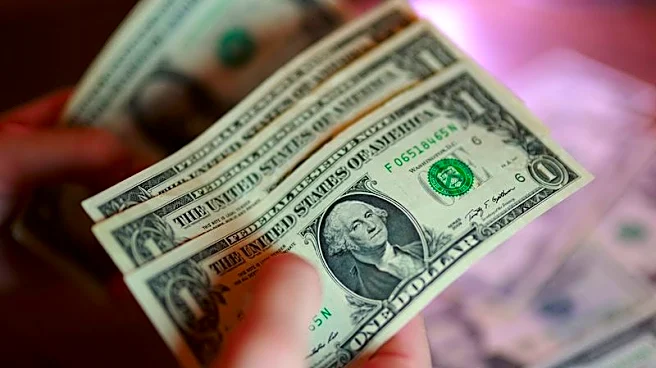
The U.S. dollar has maintained its upward trajectory, poised to record its fourth consecutive weekly gain. The dollar index is currently near the 103.9 level, marking its strongest position since early April 2025. This rally gained momentum on November
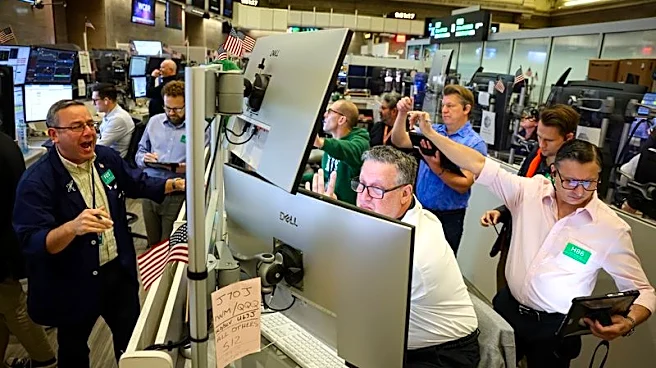
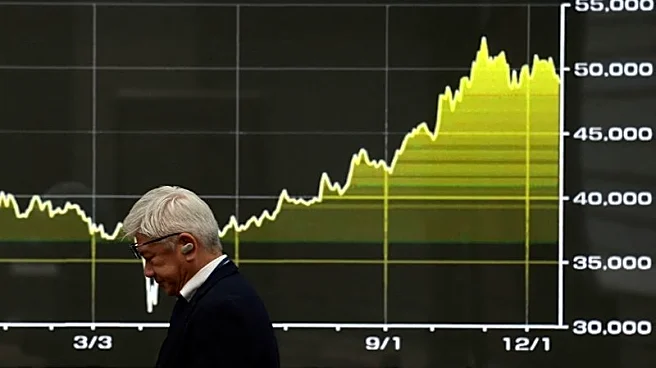
10, following the release of hotter-than-expected U.S. inflation data, which intensified market expectations for further Federal Reserve policy tightening. Fed Governor Christopher Waller indicated that a 50-basis-point rate hike in December should be considered. Additionally, a broader reduction in risk appetite among investors, fueled by various AI-related concerns impacting global stock markets, has driven a flight to safe-haven assets, further bolstering the dollar. Despite Anthropic's record market debut, investor confidence in the AI sector has not been fully restored, contributing to a seven-session losing streak for MSCI's world index of stocks, the longest since 2023. Analysts like Chris Turner from ING suggest that the Fed has no immediate reason to soften its hawkish stance, especially with the upcoming U.S. personal consumption expenditures (PCE) report expected to confirm the need for continued action.
Why It's Important?
A strengthening U.S. dollar has significant implications for both American consumers and businesses. For consumers, a stronger dollar translates to cheaper imports, potentially increasing their purchasing power and making international travel more affordable. Conversely, American exporters face challenges as their goods become more expensive for foreign buyers, potentially reducing their competitiveness in global markets. The dollar's rally also reflects a broader sentiment of caution in financial markets, with investors seeking stability amidst concerns over inflation and the performance of technology sectors. The Federal Reserve's anticipated tightening of monetary policy, driven by persistent inflation, signals a continued focus on price stability, which could influence investment decisions and economic growth trajectories. The reduced appetite for risk, partly due to uncertainties surrounding the AI trade, indicates a shift in investor behavior towards more secure assets, impacting global capital flows and market valuations.
What's Next?
The immediate focus will be on upcoming economic data, particularly the U.S. personal consumption expenditures (PCE) report, a key inflation gauge for the Federal Reserve. This report is expected to provide further clarity on the Fed's monetary policy path. Market participants are largely anticipating a rate hike in December, with the debate centering on the magnitude of the increase—whether it will be 25 or 50 basis points. Continued hawkish rhetoric from Fed officials, such as Philadelphia Fed President Anna Paulson and Chicago Fed President Austan Goolsbee, suggests that the central bank remains committed to combating inflation. This sustained hawkish outlook is likely to keep the dollar strong and maintain pressure on carry trades, where investors borrow in low-yielding currencies to invest in higher-yielding assets. The trajectory of global stock markets, particularly those influenced by AI-related sentiment, will also be closely watched as it could further impact risk appetite and safe-haven demand for the dollar.
Beyond the Headlines
The sustained strength of the U.S. dollar, driven by Federal Reserve policy and global risk aversion, highlights underlying shifts in the international economic landscape. The dollar's role as a primary safe-haven asset is reinforced during periods of uncertainty, such as those stemming from concerns about the AI sector's stability. This dynamic can create a feedback loop where global economic jitters lead to dollar appreciation, which in turn can exert pressure on other economies, particularly those reliant on dollar-denominated trade or debt. The ongoing debate within the Federal Reserve regarding the pace and extent of interest rate hikes also underscores the delicate balance between controlling inflation and avoiding a significant economic slowdown. Furthermore, the impact on emerging markets, which often face increased debt burdens and capital outflows when the dollar strengthens, could lead to broader financial instability. The interplay between monetary policy, technological sector performance, and global investor sentiment will continue to shape currency markets and international trade relations.