
What's Happening?
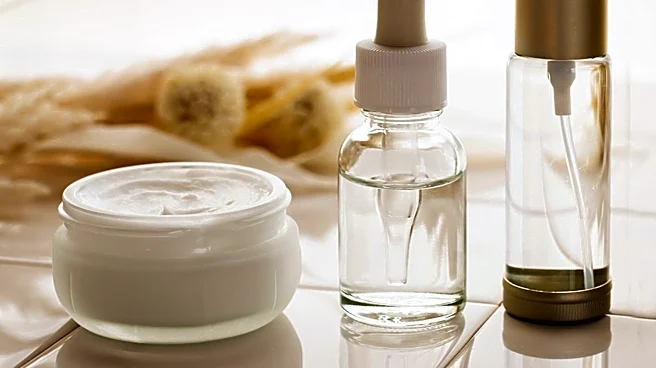
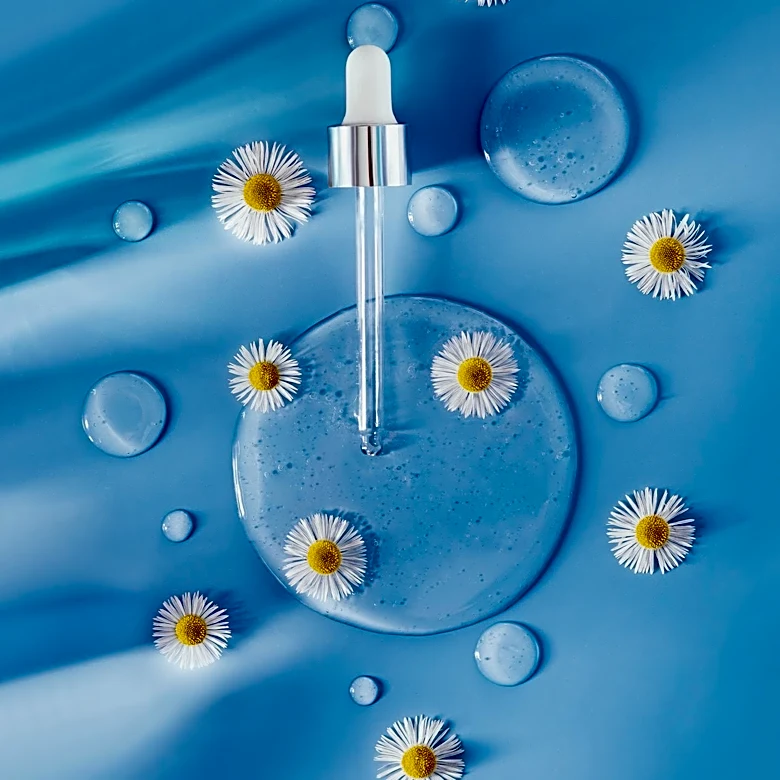
Effective skincare routines hinge on applying products in the correct order to ensure maximum absorption and benefit. The fundamental rule is to apply products from the thinnest to the thickest texture. This means starting with water-based serums, which
have smaller molecules designed to penetrate the skin quickly, followed by thicker creams and lotions that contain larger molecules and oils to create a protective barrier. Applying a thick moisturizer before a thin serum can block the serum's active ingredients from reaching the skin, rendering them ineffective and potentially leading to issues like pilling or clogged pores. For instance, hydrating serums, rich in ingredients like hyaluronic acid or glycerin, are best applied to damp skin to draw moisture into the surface, while moisturizers then seal that hydration in. Waiting approximately 60 seconds between layers allows each product to partially absorb, preventing a sticky residue or pilling.
Why It's Important?
Understanding and implementing proper layering techniques is crucial for several reasons. Firstly, it maximizes the efficacy of expensive skincare products, ensuring that active ingredients are delivered where they are most needed. Incorrect application can lead to product waste and suboptimal results, frustrating consumers who invest time and money in their routines. Secondly, it prevents common skin issues such as irritation, congestion, and dryness that can arise from product incompatibility or improper absorption. For individuals with specific skin concerns, such as dry or oily skin, tailoring the layering process can significantly improve outcomes. For example, those with dry skin benefit from a rich, ceramide-packed cream after a hydrating serum, while oily skin types might prefer a lightweight gel-cream. This methodical approach empowers individuals to customize their routines for optimal skin health and appearance.
What's Next?
Consumers are increasingly seeking personalized skincare solutions, and the emphasis on proper layering will likely continue to grow. The industry may see more products designed with specific layering compatibility in mind, or clearer instructions on how to integrate new products into existing routines. There's also a trend towards 'skinimalism,' where individuals opt for fewer, more effective products, making the order of application even more critical. Future developments might include smart devices or apps that analyze skin type and product ingredients to recommend optimal layering sequences. Additionally, as awareness of ingredient interactions increases, consumers will become more discerning about combining certain active ingredients, such as pure Vitamin C with direct acids or some retinoids, to avoid irritation and maintain skin barrier integrity. This will lead to more sophisticated alternating routines, where potent ingredients are used on different nights.
Beyond the Headlines
Beyond the immediate benefits of improved skin health, the meticulous practice of skincare layering reflects a broader cultural shift towards mindful self-care and a deeper understanding of personal wellness. It encourages individuals to listen to their skin's feedback and adjust their routines accordingly, fostering a more intuitive relationship with their bodies. This approach also highlights the scientific complexity behind cosmetic formulations, transforming skincare from a superficial act into an informed, almost scientific, ritual. The 'damp skin rule' for applying hydrating serums, for example, underscores the importance of understanding how ingredients interact with the skin's natural state. Ultimately, mastering layering techniques contributes to a sense of empowerment and control over one's skin health, moving beyond generic product recommendations to a truly personalized and effective regimen.