



What's Happening?
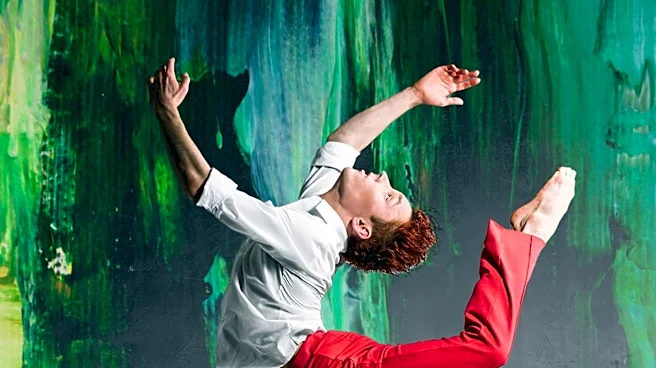
The Horton Technique, a codified training system developed by modern dance pioneer Lester Horton, is highlighted for its approach to flexibility. Unlike simple stretching, this technique focuses on developing flexibility in conjunction with strength,
alignment, coordination, and control. It uses exercises such as lateral stretches, flat backs, leg swings, and lunges to challenge the body and improve functional mobility. The technique is recognized for preparing dancers for a wide range of dance styles by integrating physical preparation with artistry. It aims to build active flexibility, meaning dancers can control their range of motion rather than just achieving a large passive stretch. This method is particularly useful for modern, contemporary, jazz, and musical theatre dancers, as well as ballet dancers seeking additional movement training.
Why It's Important?
The Horton Technique offers a significant paradigm shift in how flexibility is approached within dance and potentially other physical disciplines. By emphasizing active flexibility—the ability to control a range of motion with strength and coordination—it addresses a common limitation of passive stretching, which often lacks functional application. This integrated approach can lead to more resilient and versatile performers, reducing injury risk while enhancing artistic expression. For the dance community, it provides a structured method for developing comprehensive physical capabilities, moving beyond isolated skill development. The technique's focus on body awareness and controlled movement also has broader implications for physical education and rehabilitation, suggesting that true mobility comes from a balanced development of strength and flexibility.
What's Next?
Dancers and instructors interested in enhancing flexibility through a holistic approach are encouraged to explore Horton training. Consistent practice is essential, with an emphasis on proper technique and combining mobility with strength. The technique advocates for gradual development, advising against forcing stretches and promoting respect for individual body limits. Qualified dance instructors play a crucial role in guiding students through appropriate progression and alignment. Institutions like The Ailey School continue to teach Horton Technique, ensuring its legacy and accessibility. Further exploration of Horton-inspired training can provide valuable tools for continued growth in dance education, fostering stronger, more coordinated, and expressive dancers.
Beyond the Headlines
The Horton Technique's philosophy extends beyond physical training, touching upon the ethical and cultural dimensions of dance. By prioritizing control and body awareness over mere extension, it fosters a deeper connection between the dancer and their movement. This approach can cultivate a more mindful and sustainable practice, potentially reducing the prevalence of injuries often associated with aggressive flexibility training. Culturally, the technique represents a significant contribution to modern dance, influencing generations of performers and choreographers. Its emphasis on functional movement also challenges conventional notions of beauty and performance in dance, promoting a more authentic and powerful expression derived from integrated physical mastery rather than superficial flexibility.