





What's Happening?
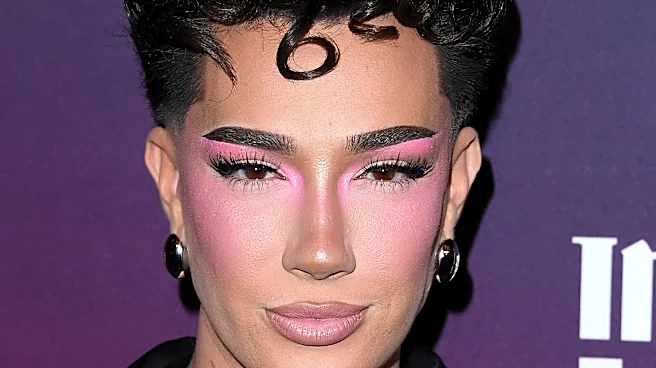
In 2019, YouTube beauty influencer James Charles experienced a major public controversy, dubbed 'Dramageddon' or 'Sistergeddon,' involving fellow beauty influencer Tati Westbrook. The feud began on May 10, 2019, when Westbrook released a 43-minute video
titled 'BYE SISTER,' accusing Charles of betraying her by promoting a competing hair vitamin brand for free Coachella tickets, despite having previously promoted her brand, Halo Beauty. Westbrook also alleged that Charles coerced straight men into sexual acts. Charles responded with his own video, 'No More Lies,' denying the accusations and stating he would never use his fame or power to manipulate anyone for sexual actions. The scandal led to Charles losing over one million subscribers in a single day and more than three million overall, though he later recouped these losses. Conversely, Westbrook gained over 3.5 million followers during the controversy. YouTube subsequently altered the public display of exact subscriber counts, citing their weaponization in online disputes.
Why It's Important?
The 'Dramageddon' incident highlights the volatile nature of influencer culture and the significant impact of public perception on digital careers. The rapid and substantial subscriber shifts demonstrated how quickly an influencer's standing can change due to online controversies. This event also revealed how drama can be strategically leveraged for online clout, with influencers potentially gaining influence rather than losing it. The subsequent change in YouTube's policy regarding subscriber count visibility underscores the platform's acknowledgment of the weaponization of such metrics in online conflicts. This incident set a precedent for how online scandals can be monetized and how the pursuit of engagement can drive content creation, influencing the modern playbook for online celebrity and digital marketing strategies.
What's Next?
The aftermath of 'Dramageddon' has influenced how online drama is perceived and utilized within the influencer ecosystem. The incident demonstrated that while initial subscriber losses can be severe, recovery is possible, suggesting a degree of resilience in the influencer market. The focus has shifted towards understanding how online conflict can be harnessed for audience engagement and economic gain, leading to a proliferation of 'drama' or 'tea' channels dedicated to covering internet celebrity gossip. This trend indicates a continued appetite for such content, with platforms like TikTok now serving as faster-paced arenas for similar cycles of drama. Influencers and platforms alike will likely continue to navigate the balance between authentic content and the allure of controversy for maintaining relevance and driving revenue.
Beyond the Headlines
The 'Dramageddon' saga reflects deeper implications regarding authenticity, monetization, and the commodification of personal narratives in the digital age. What began as an alleged betrayal quickly evolved into a spectacle that many experts argue became disingenuous, transforming personal conflicts into a corporatized system for economic benefit. The incident raised questions about the ethical boundaries of influencer marketing and the pressure on creators to generate engaging content, even if it involves manufactured drama. The rapid consumption of online gossip, particularly with the rise of platforms like TikTok, suggests a shortening attention span and a faster cycle for scandals, making it challenging for any single controversy to maintain long-term public interest. This shift indicates a broader cultural trend where entertainment value often outweighs the substance of the conflict, leading to a continuous churn of viral content.