




What's Happening?
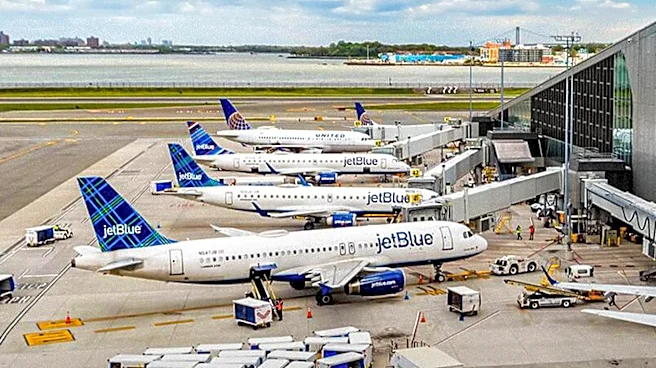
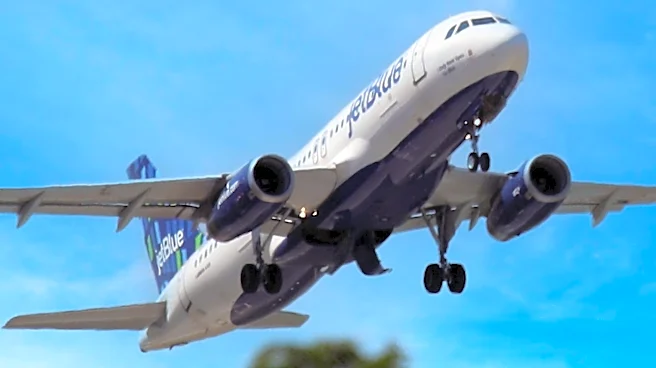
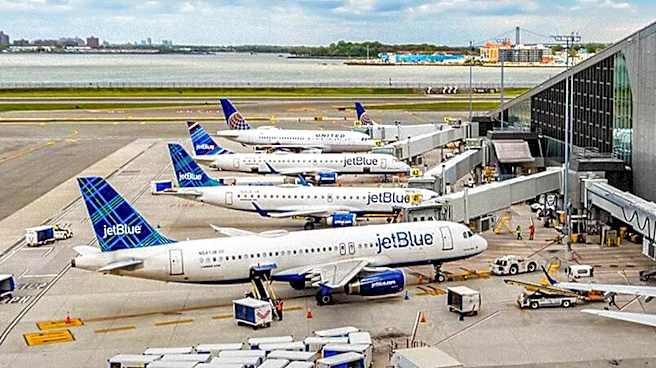
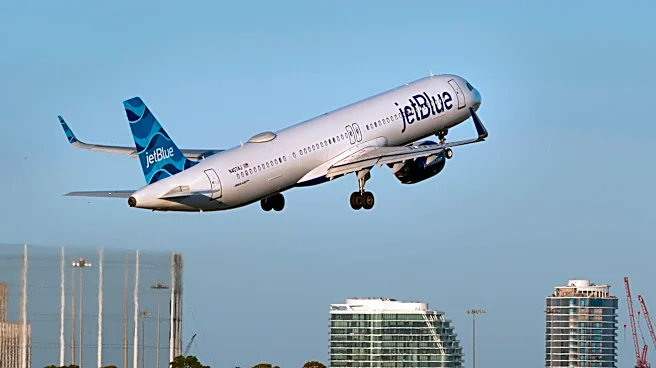
JetBlue has announced its second increase in checked baggage fees this year, making it more expensive for travelers to check luggage, particularly as the busy holiday travel season approaches. For tickets purchased on or after November 3, most economy
passengers flying within the United States, Canada, Latin America, and the Caribbean will now pay at least $50 each way for their first checked bag, an increase from the previous $39. During peak travel periods, such as Thanksgiving and the winter holidays, this fee will rise to $55 if paid at least 24 hours before departure. Those who wait until the final 24 hours will face fees of $60 during off-peak times and $70 during peak periods. JetBlue attributes these increases to rising fuel and operating costs, stating that it helps keep base fares competitive.
Why It's Important?
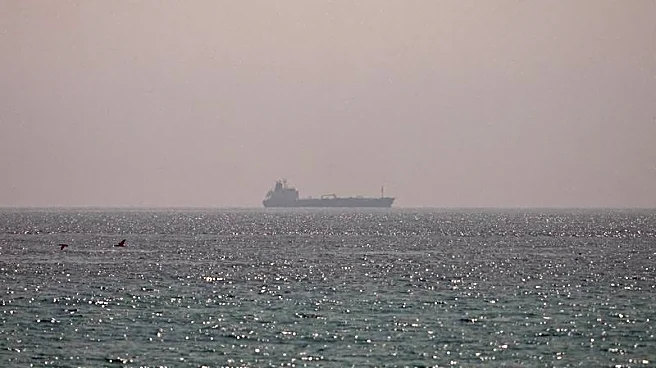
This increase in baggage fees by JetBlue, following a similar move by other major U.S. airlines earlier in the year, signifies a broader trend in the airline industry to offset elevated operational expenses, primarily jet fuel prices. The ongoing Iran war and its impact on the Strait of Hormuz, a critical shipping route for global oil supplies, have kept jet fuel costs high. For consumers, this means higher overall travel costs, especially during peak holiday seasons, potentially impacting travel plans and budgets. While airlines aim to maintain competitive base fares, the additional fees can make air travel less affordable for many, particularly those who need to check multiple bags. This trend could also influence consumer behavior, encouraging travelers to pack lighter or seek airlines with more inclusive fare structures.
What's Next?
Travelers can expect to pay more for checked luggage on JetBlue flights, especially during the upcoming holiday season. The airline's decision may prompt other carriers to re-evaluate their fee structures if fuel costs remain high. The elevated fuel prices, influenced by geopolitical events, are likely to continue impacting airline profitability and pricing strategies. Passengers who are eligible, such as co-branded credit card holders and members of JetBlue's loyalty program, may still be able to check bags for free, potentially increasing the value proposition of these programs. The airline industry will continue to monitor fuel prices and adjust its operational costs and pricing accordingly.
Beyond the Headlines
The repeated increase in baggage fees by airlines like JetBlue reflects the delicate balance between maintaining profitability and offering competitive pricing in a volatile market. The reliance on ancillary fees, such as baggage charges, has become a significant revenue stream for airlines, allowing them to advertise lower base fares while recouping costs elsewhere. This strategy, however, can lead to consumer frustration and a perception of hidden costs. The geopolitical factors influencing jet fuel prices highlight the interconnectedness of global events and their direct impact on everyday consumer expenses. This situation underscores the challenges faced by industries heavily dependent on fossil fuels and the potential for continued price adjustments as global energy markets fluctuate.