






What's Happening?
Experts suggest that women experiencing menopause should consider adjusting their fitness routines to manage weight gain effectively. High-intensity workouts, while popular, may increase cortisol levels, a stress hormone that can lead to weight retention,
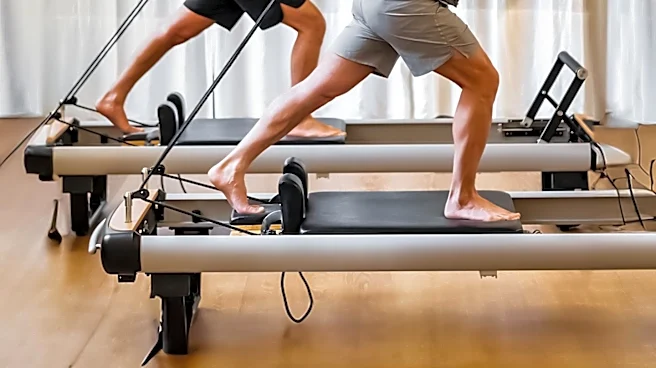
particularly around the abdomen. Instead, experts recommend 'restorative movement' exercises such as walking, low-impact strength training, Pilates, and yoga. These activities help maintain lower stress levels and support weight management during menopause. The advice comes as many women face challenges with weight gain due to hormonal changes and reduced muscle mass during menopause.
Why It's Important?
This guidance is significant as it addresses a common issue faced by many women during menopause—weight gain. By understanding the impact of cortisol and the benefits of low-stress exercises, women can make informed decisions about their fitness routines. This approach not only aids in weight management but also promotes overall health and well-being. The emphasis on restorative exercises highlights the importance of adapting fitness strategies to align with physiological changes, offering a sustainable way to maintain health during menopause.
What's Next?
As awareness of the benefits of restorative exercises grows, fitness programs and trainers may increasingly incorporate these practices into their offerings for menopausal women. This could lead to the development of specialized fitness classes and resources tailored to this demographic. Additionally, further research into the relationship between exercise, stress hormones, and menopause could provide deeper insights into effective weight management strategies.