


What's Happening?
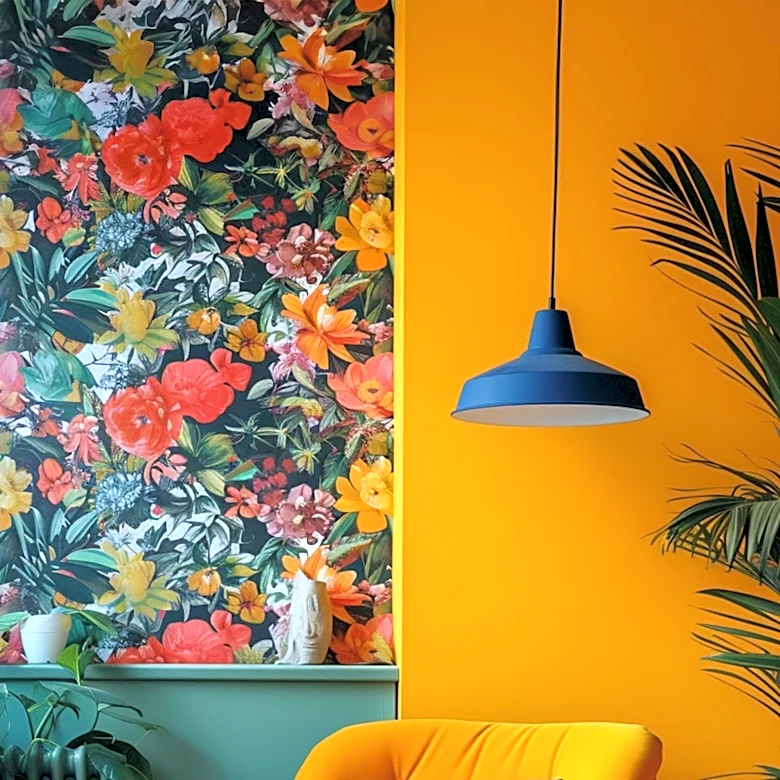
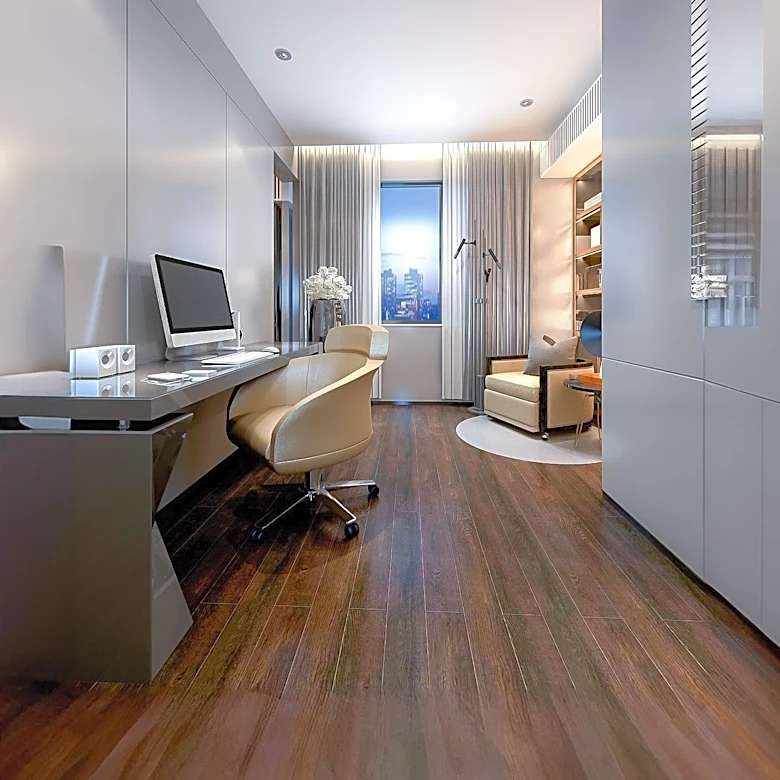
Cluttercore is an emerging interior design trend that embraces organized chaos and the accumulation of personal items. This style stands in direct opposition to minimalism, which prioritizes sparse and uncluttered spaces. Instead, cluttercore encourages
individuals to fill their homes with objects that hold personal significance and tell a story. This can manifest through densely packed bookshelves, an abundance of kitschy decorative items, and the layering of various textiles. The core idea is to create a visually rich and narrative-driven environment that reflects the inhabitant's life and experiences, rather than adhering to a streamlined aesthetic. The trend suggests a shift in how people approach home decoration, moving towards more personalized and expressive spaces.
Why It's Important?
The rise of cluttercore signifies a broader cultural shift in consumer preferences and interior design philosophy within the U.S. It challenges the long-standing dominance of minimalist aesthetics, which have influenced everything from furniture design to architectural trends. For businesses in the home goods, furniture, and decor industries, this trend could lead to increased demand for unique, artisanal, and vintage items, as well as storage solutions designed to accommodate a larger volume of personal belongings. It also suggests a potential decline in demand for sleek, mass-produced minimalist items. Socially, cluttercore promotes individuality and self-expression, encouraging people to create living spaces that genuinely reflect their personalities and life journeys, potentially fostering a greater sense of comfort and authenticity in their homes. This trend could also impact the resale market for unique and vintage items, as consumers seek out distinctive pieces to incorporate into their cluttercore designs.
What's Next?
As cluttercore gains traction, it is likely to influence product development and marketing strategies within the home decor industry. Manufacturers may begin to produce more eclectic and personalized items, while retailers might curate collections that encourage layering and storytelling through decor. We could also see a rise in DIY and upcycling trends, as individuals seek to personalize their spaces with unique, handcrafted, or repurposed items. Interior designers may adapt their services to cater to clients interested in creating these rich, narrative-driven environments. Furthermore, social media platforms will likely continue to play a significant role in popularizing and evolving the cluttercore aesthetic, with influencers showcasing their unique interpretations of the trend and inspiring others to embrace a more maximalist approach to home decoration.
Beyond the Headlines
Beyond its aesthetic appeal, cluttercore touches upon deeper psychological and cultural aspects of home and identity. In an increasingly digital and often impersonal world, the trend offers a tangible way for individuals to assert their identity and create a sanctuary filled with meaningful objects. It can be seen as a rebellion against the pressures of perfection and curated online personas, advocating for a more authentic and lived-in reality. Ethically, it raises questions about sustainable consumption, as the accumulation of items could potentially lead to increased waste if not approached thoughtfully through practices like thrifting, upcycling, and conscious purchasing. Culturally, it reflects a desire for comfort, nostalgia, and a rejection of sterile environments, potentially signaling a broader societal yearning for warmth and personal connection in physical spaces.