








What's Happening?
Omron, a Japanese company, has agreed to acquire OnLogic, a U.S. industrial computer manufacturer, and its parent company, Interlogic, in a $675 million transaction. This acquisition aims to bolster Omron's industrial computing capabilities and accelerate
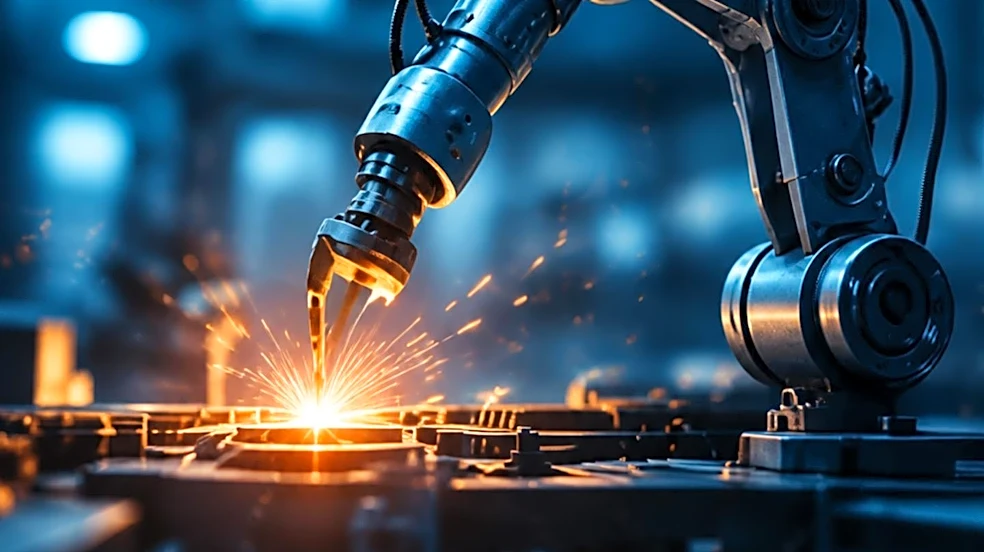
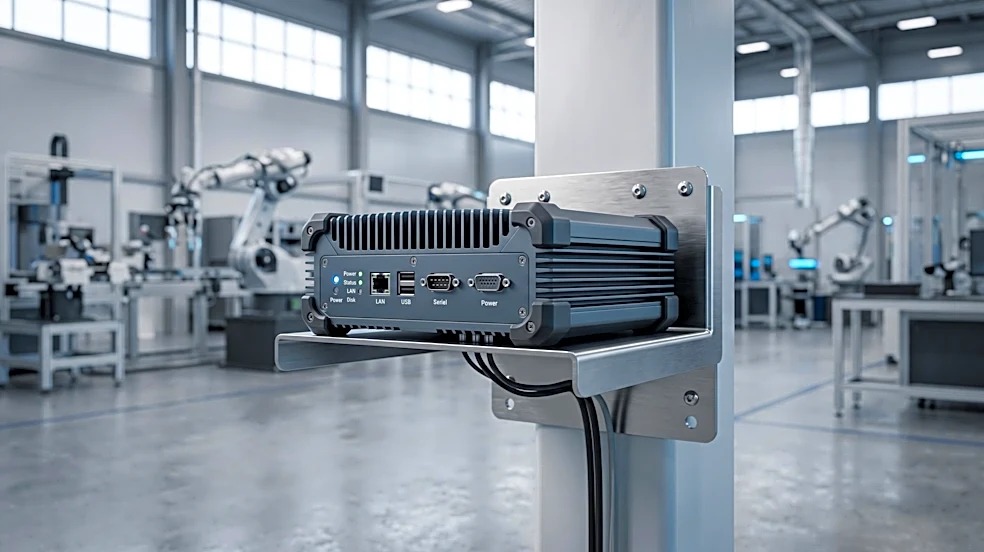
the development of physical artificial intelligence (AI) solutions for manufacturing. The deal is expected to close in early 2027, pending regulatory approval. OnLogic specializes in developing and manufacturing rugged industrial PCs for automation, edge computing, and Internet of Things (IoT) applications. The company's configurable, build-to-order approach allows for customized computing platforms tailored to specific operating environments and application requirements. Omron anticipates that this acquisition will combine OnLogic's computing systems with its own precision control technologies to advance next-generation physical AI platforms. The companies also plan to integrate industrial computers with Omron's sensing and robotics equipment to create solutions that link data processing with machine operations.
Why It's Important?
This acquisition is significant for the U.S. industrial sector as it represents a strategic investment in the computing infrastructure underpinning next-generation industrial automation. For manufacturers, the growing importance of edge computing, which processes data closer to its source, is crucial for turning complex production data into actionable information without relying solely on centralized cloud infrastructure. This localized processing enables faster responses, advanced analytics, and AI-based decision-making, particularly in applications requiring real-time responses like automated inspection. The integration of OnLogic's industrial computers with Omron's sensing and robotics expertise could lead to more efficient and intelligent manufacturing systems in the U.S., enhancing quality control and operational responsiveness. The deal also highlights a broader industry trend towards integrating sensing, computing, and control within unified production environments, moving away from treating these as separate activities.
What's Next?
Following the completion of the acquisition, expected in early 2027, OnLogic will continue to operate as an independent business within the Omron Group. Its headquarters will remain in South Burlington, Vermont, and its existing global offices, brand identity, direct-sales model, and management team will be retained. Omron President and CEO Junta Tsujinaga stated that the acquisition will strengthen Omron's position in North America and expand capabilities as manufacturing becomes more connected and data-driven. For OnLogic, joining Omron is expected to provide greater global reach, supply-chain resources, and opportunities to expand its industrial computing products into additional markets. The longer-term impact will depend on how effectively the combined technologies translate into practical manufacturing applications, including intelligent inspection, adaptive process control, and data-driven quality management.
Beyond the Headlines
The acquisition of OnLogic by Omron underscores a fundamental shift in industrial automation towards decentralized intelligence and real-time decision-making at the 'edge' of networks. This move has profound implications for data sovereignty and operational efficiency within U.S. manufacturing. By processing data locally, companies can mitigate privacy concerns associated with extensive data transfers to the cloud and reduce latency, which is critical for applications requiring immediate responses. This strategic integration of hardware and software at the industrial edge could foster a new era of 'physical AI,' where machines not only collect data but also interpret, reason, and act autonomously within their environments. This could lead to more resilient and adaptive manufacturing processes, less reliant on constant human intervention, and capable of self-optimizing in response to dynamic production conditions. The ethical considerations around autonomous decision-making in industrial settings and the need for robust cybersecurity measures for these interconnected systems will become increasingly prominent.