






What's Happening?
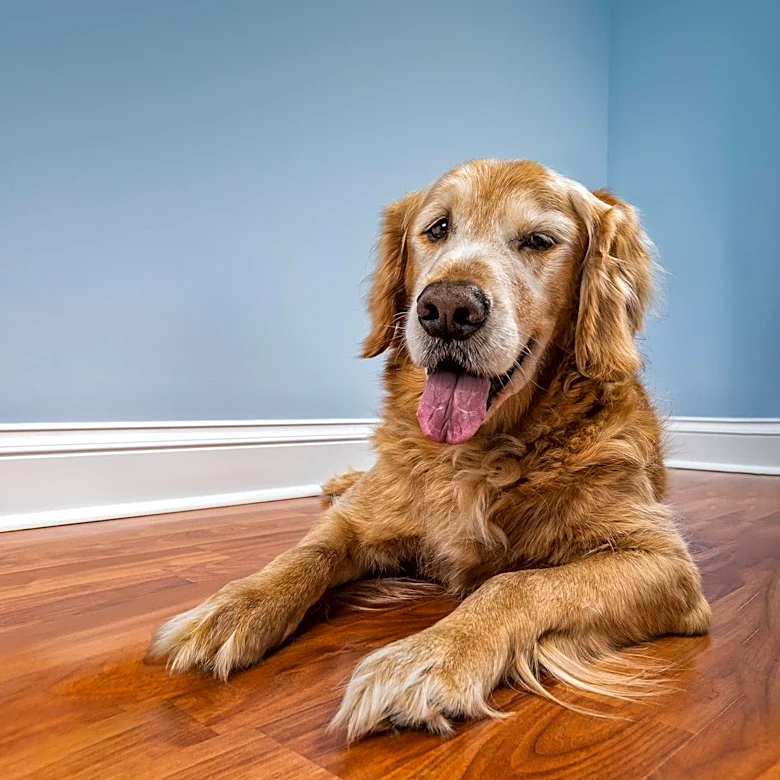
Planning a road trip with an older dog necessitates significant adjustments to routes, stops, and accommodations to prioritize the animal's comfort and mobility. Unlike younger dogs, older canines may struggle with jumping into cars or navigating slippery
floors, requiring owners to build the trip around their specific needs rather than fitting the dog into a human-centric itinerary. Key recommendations include obtaining a veterinary exam before travel to ensure the dog is healthy enough, planning shorter driving days to conserve energy, and making frequent stops every two hours for exercise and relief. Owners are advised to choose dog-friendly accommodations carefully, inquiring about ground-floor rooms, flooring types, and proximity to grass areas. Additionally, making the car more accessible with ramps or steps and securing the dog with a harness or crate are crucial for safety and comfort.
Why It's Important?
This guidance is vital for U.S. pet owners, as it promotes responsible pet ownership and enhances animal welfare during travel. With a significant portion of American households owning pets, and many opting to travel with them, understanding the specific needs of older animals is critical. Failing to accommodate an older dog's mobility issues or health concerns can lead to stress, injury, or discomfort for the pet, and can also disrupt the travel plans of the owners. By providing practical advice on route planning, vehicle modifications, and accommodation selection, this information helps prevent potential veterinary emergencies on the road and ensures a more enjoyable experience for both pets and their owners. It also underscores the importance of proactive health checks and adherence to a dog's routine, contributing to the overall well-being of aging pets.
What's Next?
Pet owners planning road trips with older dogs should immediately schedule a veterinary check-up to assess their pet's travel readiness and discuss any mobility concerns. They should also research and book pet-friendly accommodations that cater to older dogs' needs, such as ground-floor access and non-slip flooring. Practicing with ramps or steps for car entry and exit at home is recommended to ensure the dog's comfort and familiarity before the trip. Owners should pack all necessary medications, food, and comfort items, including non-slip mats for the car and hotel room. Building flexibility into the itinerary to allow for extra rest days or changes due to the dog's condition is also advised. Daily health checks for changes in appetite, energy, or behavior are crucial, with emergency vet numbers saved for each overnight stop.
Beyond the Headlines
The detailed advice for traveling with older dogs reflects a growing trend in the U.S. towards viewing pets as integral family members, deserving of specialized care and consideration, especially in their senior years. This shift highlights evolving societal values regarding animal companionship and welfare. The emphasis on adapting travel plans to the dog's needs, rather than the other way around, speaks to a deeper empathy and commitment from pet owners. It also subtly encourages a slower, more mindful approach to travel, where the journey itself and the well-being of all companions (human and animal) take precedence over rigid schedules or maximizing destinations. This trend could influence the travel and hospitality industries to offer more tailored services and amenities for senior pets, further integrating them into the broader travel ecosystem.