








What's Happening?
Meal prepping, the practice of preparing food in advance, is gaining traction as a method to promote healthier eating habits and improve time management. This can range from simple tasks like washing and cutting vegetables to cooking full meals a day
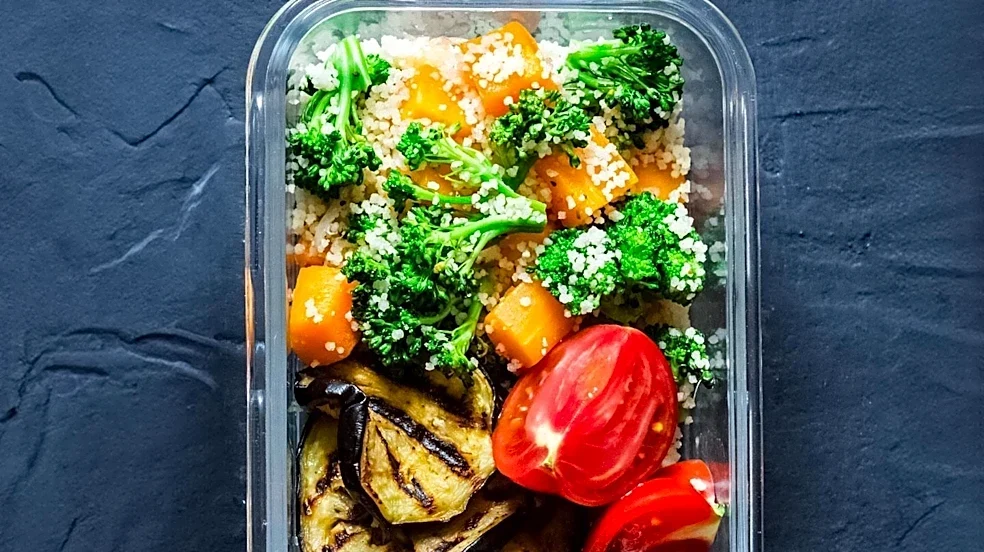
or two ahead. The core idea is to streamline the process of eating well by making food readily available, thereby reducing reliance on last-minute, often less healthy, food choices. Experts suggest that meal prepping can help individuals adhere to balanced diets, as recommended by guides like the USDA’s MyPlate, by ensuring a consistent intake of fruits, vegetables, grains, proteins, and dairy. Beyond health, it offers practical benefits such as saving time during busy weekdays and reducing food waste and expenses by planning meals and utilizing ingredients efficiently. The Harvard T.H. Chan School of Public Health emphasizes meal prep as a tool for maintaining healthy eating routines by pre-planning meals before daily demands arise. To combat the common issue of meal prep becoming monotonous, a key strategy involves preparing components rather than complete meals. This approach allows for greater flexibility and variety throughout the week, preventing the feeling of eating the same dish repeatedly.
Why It's Important?
The strategic implementation of meal prepping holds significant importance for public health and personal finance in the U.S. By encouraging planned, home-cooked meals, it directly addresses issues of diet-related illnesses and obesity, which are major public health concerns. The emphasis on balanced eating, as supported by health organizations, can lead to improved nutritional intake across the population. Economically, meal prepping can alleviate financial strain on households by reducing expenditures on takeout and restaurant dining, which often carry higher costs. This is particularly relevant in an economic climate where many Americans are seeking ways to manage their budgets more effectively. Furthermore, by minimizing food waste, meal prepping contributes to broader sustainability efforts, aligning with growing environmental consciousness. The shift from preparing identical meals to prepping versatile components introduces a psychological benefit, making healthy eating more sustainable and enjoyable in the long run. This flexibility can increase adherence to meal prep routines, leading to more consistent healthy eating patterns and potentially reducing the burden on the healthcare system from preventable conditions.
What's Next?
To further enhance the effectiveness and appeal of meal prepping, future trends may focus on innovative methods for component preparation and storage. This could include the development of new recipes that maximize ingredient versatility and extend freshness, as well as advancements in food storage solutions designed to maintain food quality for longer periods. Educational initiatives from health organizations and culinary experts are likely to continue promoting these flexible meal prep strategies, emphasizing the benefits of preparing proteins that can be used in multiple dishes and bases that retain their texture, such as cauliflower rice over traditional rice. The concept of 'flavor layers'—different sauces or toppings—will likely be highlighted as a simple yet effective way to diversify meals without additional cooking. This approach could lead to a wider adoption of meal prepping among individuals who previously found it too restrictive or boring. Additionally, the integration of technology, such as meal planning apps that suggest component-based prep ideas, could further simplify the process and make it accessible to a broader audience, fostering a more widespread culture of proactive and varied healthy eating.
Beyond the Headlines
Beyond the immediate benefits of health and cost savings, the evolution of meal prepping towards component-based preparation reflects a deeper cultural shift towards mindful consumption and personal agency in dietary choices. This approach empowers individuals to become more creative and engaged with their food, moving away from a passive consumption model to an active role in meal creation. It challenges the notion that healthy eating must be rigid or repetitive, instead promoting adaptability and enjoyment. Ethically, by reducing food waste, meal prepping aligns with principles of resource conservation and sustainability, encouraging a more responsible relationship with food production and consumption. This method also subtly addresses the psychological aspect of dietary adherence, recognizing that variety and choice are crucial for long-term commitment to healthy habits. The emphasis on preparing versatile ingredients rather than fixed meals fosters a culinary skill set that can extend beyond meal prep, encouraging experimentation and a deeper understanding of food combinations. This could lead to a more resilient and adaptable approach to eating, capable of accommodating diverse tastes and dietary needs while maintaining health and financial benefits.