



What's Happening?
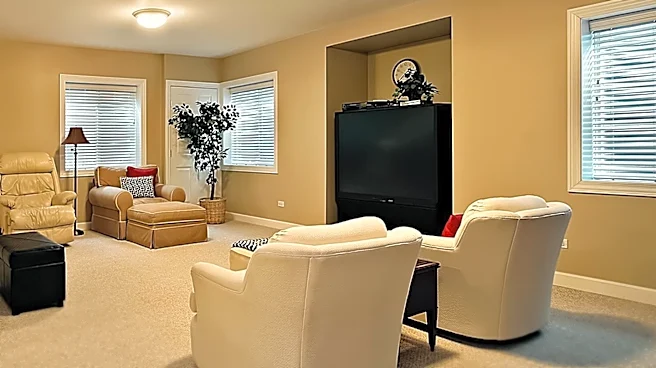
Homeowners are increasingly transforming their basements into cozy, multipurpose retreats to accommodate diverse family needs and maximize existing living space. This trend is driven by the desire for rooms that can support various activities without
requiring expensive home additions. Modern households often seek comfortable areas for children to play, dedicated spaces for hobbies, and occasional private zones for remote work. The focus is on thoughtful planning and realistic budgeting to convert ordinary basements into highly functional areas. Key considerations include addressing environmental challenges like temperature, natural light, and moisture before decorating, as well as implementing effective lighting strategies to create a welcoming atmosphere. The goal is to design spaces that genuinely improve a household's daily routine by supporting family movie nights, quiet hobbies, and work-from-home responsibilities.
Why It's Important?
This shift in home design reflects a broader societal trend towards optimizing living spaces for both functionality and comfort, particularly as remote work and diverse family activities become more prevalent. By converting basements into multipurpose areas, homeowners can avoid costly expansions while increasing the utility and value of their existing properties. This approach benefits families by providing flexible environments that cater to individual and collective needs, from entertainment to quiet contemplation and work. The emphasis on practical design choices, such as durable materials and efficient storage, highlights a consumer preference for long-term utility over purely aesthetic considerations. This trend also underscores the importance of addressing foundational issues like moisture control and proper ventilation in home renovations, ensuring healthier and more sustainable living environments.
What's Next?
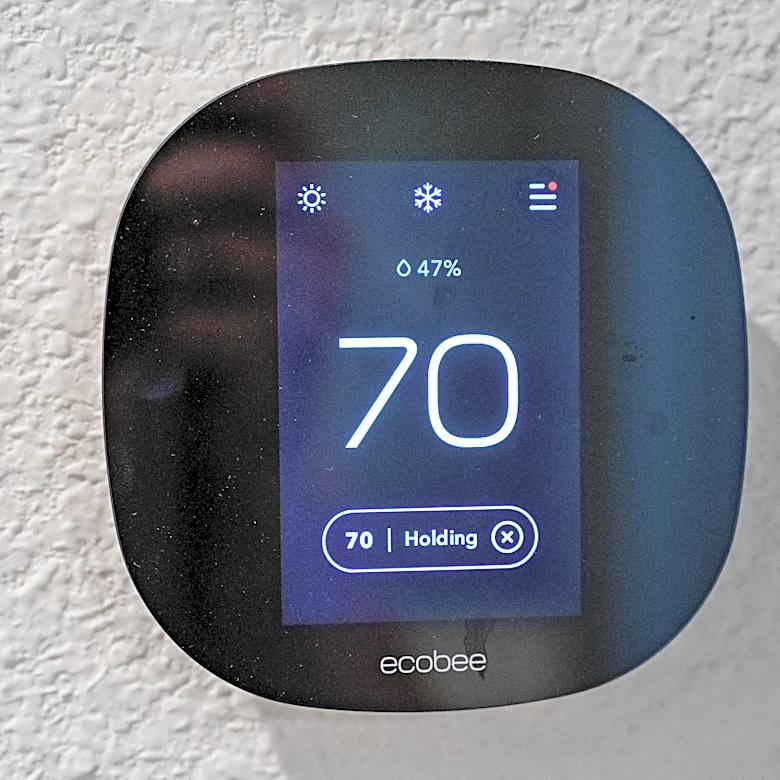
The trend of creating multipurpose basement retreats is expected to continue, with homeowners increasingly seeking innovative solutions for space optimization. Future developments may include a greater integration of smart home technologies to enhance comfort and functionality, such as automated lighting and climate control systems tailored for basement environments. Design and build professionals will likely see increased demand for customized basement renovation projects that prioritize flexibility and adaptability. There may also be a rise in specialized products and materials designed to address the unique environmental challenges of basements, such as advanced moisture barriers and energy-efficient lighting. Homeowners will continue to focus on phased improvements, starting with essential structural and environmental considerations before moving to decorative elements, ensuring a practical and budget-conscious approach to renovation.
Beyond the Headlines
The rise of multipurpose basement retreats signifies a deeper cultural shift towards more intentional and adaptable living. It challenges the traditional view of basements as mere storage areas, elevating them to integral parts of the home's functional and emotional landscape. This trend also reflects a growing awareness of the psychological benefits of well-designed personal spaces, where individuals can pursue hobbies, work, and relax without constant disruption. Ethically, it promotes sustainable living by encouraging the efficient use of existing structures rather than constant expansion. Legally, it may lead to increased scrutiny of building codes related to basement conversions, particularly concerning ventilation, egress, and moisture control, to ensure safety and habitability. Culturally, it reinforces the idea of the home as a dynamic hub that evolves with the family's changing needs, fostering a sense of resourcefulness and creativity in domestic design.