



What's Happening?
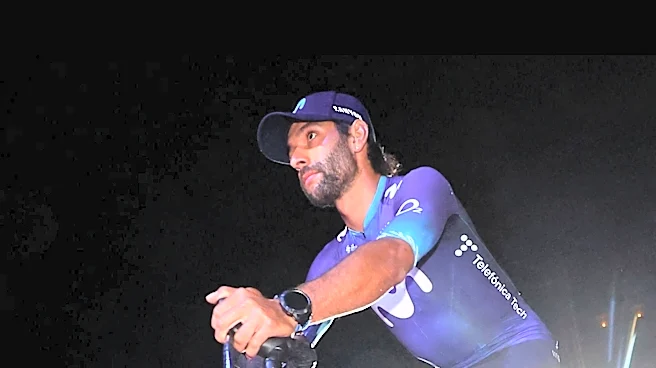
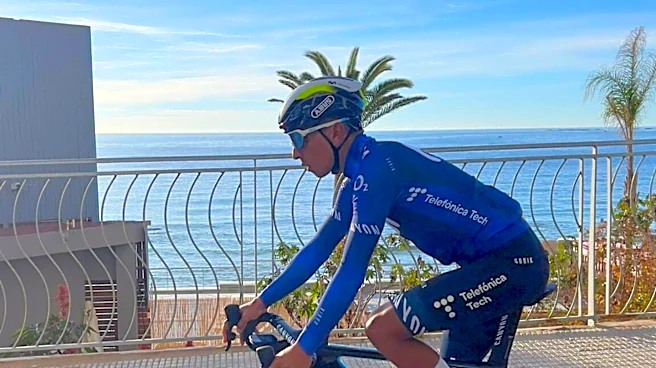
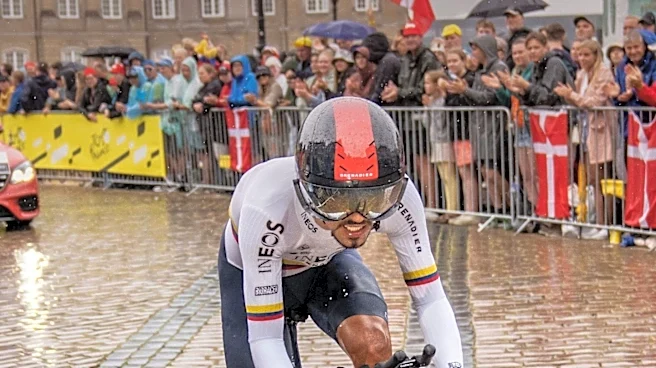
Colombian cyclist Einer Rubio has called for improved safety regulations in the Tour de France following a crash on Alpe d'Huez that ended his race prematurely. Rubio collided with a team car after a spectator fell into the road, highlighting the need
for better crowd control and vehicle access management. The incident, which left Rubio with facial injuries requiring 20 stitches, has sparked discussions on the adequacy of current safety measures. Race organizers and team officials have acknowledged the challenges posed by large crowds and the need for responsible spectator behavior.
Why It's Important?
The call for enhanced safety measures in the Tour de France underscores the ongoing challenges in ensuring the safety of cyclists, teams, and spectators in high-profile sporting events. The incident involving Rubio highlights the potential risks associated with inadequate crowd control and vehicle management, which can lead to serious accidents. Addressing these issues is crucial for maintaining the integrity and safety of the sport, as well as protecting the well-being of participants and fans. Improved safety protocols could also enhance the overall experience for spectators and reduce the likelihood of similar incidents in future races.
What's Next?
In response to Rubio's call for change, race organizers may consider implementing stricter safety measures, such as increased barriers and better vehicle access control on challenging climbs like Alpe d'Huez. Discussions with teams, cyclists, and safety experts could lead to new guidelines aimed at preventing accidents and ensuring a safer environment for all involved. The cycling community will be closely monitoring any changes to safety protocols and their effectiveness in future races. Additionally, there may be increased emphasis on educating spectators about their role in maintaining a safe and enjoyable event.