



What's Happening?
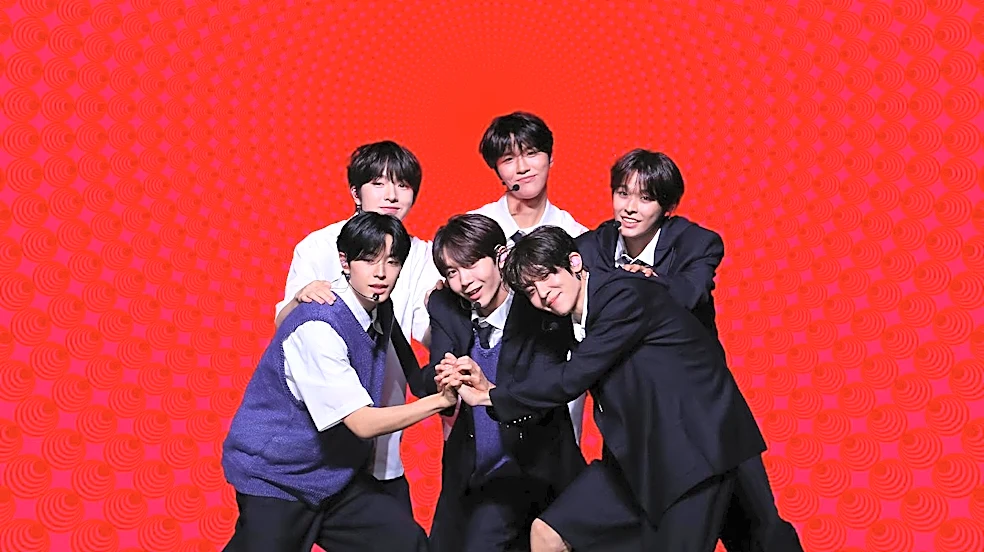
Myung Jae-hyun, a member of the K-pop group BOYNEXTDOOR, has issued an apology after using the phrase 'attracting customers' to describe actor Lee Kwang-soo's fan communication activities on the paid platform 'Bubble'. During a live broadcast on October
21, Myung acknowledged his mistake and expressed regret for his comments. The controversy arose when Myung, while discussing Lee Kwang-soo's fan interactions on Weverse, remarked on Lee's 'incredible ability to attract customers' and added that it was a 'matter of talent.' He further stated that he found it difficult to view fans as 'customers.' This led to criticism from some netizens who deemed the term 'customers' inappropriate for fans, while others defended Myung, suggesting his intent was to praise Lee Kwang-soo's fan engagement skills. Myung clarified that his remarks were meant to convey admiration and a desire to learn from Lee Kwang-soo, emphasizing his concern that his apology might inadvertently harm the actor.
Why It's Important?
This incident highlights the delicate nature of fan-idol relationships in the K-pop industry and the broader entertainment landscape. The use of business-oriented terminology like 'customers' to describe fans can be perceived as transactional, potentially undermining the emotional connection and loyalty that fans often feel towards their idols. For K-pop groups and their agencies, maintaining a positive and authentic relationship with their fanbase is crucial for sustained success, as fan engagement directly impacts album sales, concert attendance, and overall brand image. Missteps in communication can lead to backlash, affecting public perception and potentially alienating a significant portion of their audience. The swift apology from Myung Jae-hyun demonstrates the industry's awareness of these sensitivities and the importance of addressing fan concerns promptly to mitigate negative sentiment and preserve fan trust. This event also underscores the challenges public figures face in navigating online interactions and the constant scrutiny of their words.
What's Next?
Following Myung Jae-hyun's apology, the immediate focus will be on how the fanbase and the wider public react to his explanation. The effectiveness of his apology in quelling the controversy will determine if the issue continues to impact BOYNEXTDOOR's public image. Moving forward, it is likely that Myung Jae-hyun and his management will exercise increased caution in their public statements, particularly concerning fan interactions and the terminology used. This incident may also prompt other K-pop idols and entertainment agencies to review their communication strategies with fans, emphasizing the importance of language that fosters connection rather than commercialization. The ongoing popularity of paid fan communication platforms like 'Bubble' means that such discussions about the nature of fan-idol relationships are likely to continue, influencing how artists and their teams engage with their supporters in the digital age.
Beyond the Headlines
The controversy surrounding Myung Jae-hyun's comment delves into the evolving dynamics of celebrity-fan relationships in the digital era, particularly within the highly commercialized K-pop industry. While fan communication platforms offer unprecedented access and interaction, they also blur the lines between genuine connection and transactional engagement. The term 'customer' implies a consumer-provider dynamic, which can clash with the emotional investment and community aspect that many fans seek. This incident raises ethical questions about how artists perceive and value their fanbase, and whether the language used inadvertently commodifies these relationships. It also reflects a broader cultural shift where authenticity and perceived sincerity are highly valued by audiences, and any hint of commercial calculation can be met with skepticism. The long-term implication could be a re-evaluation of how fan engagement is framed and managed, pushing for more nuanced and respectful communication that acknowledges the unique bond between artists and their supporters.