







What's Happening?
The Fulks family, owners of Belvedere Plantation in Spotsylvania County, Virginia, for 58 years, has announced plans to sell their 633-acre property to a data center developer. This decision has generated significant dismay among local residents, particularly
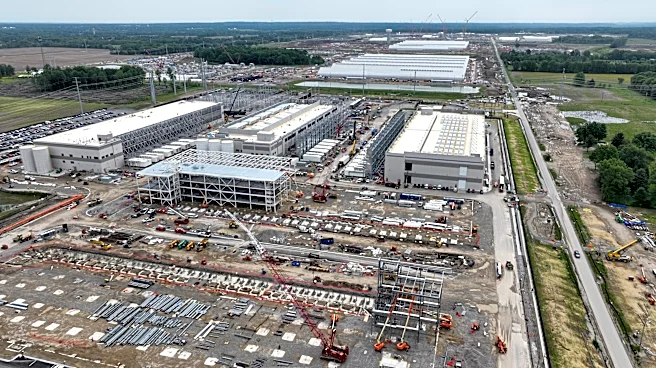
those in the New Post subdivision, who fear the environmental and aesthetic impact of a massive data center campus. Donnie Fulks, president of Belvedere Plantation, confirmed the sale, stating it was a difficult but necessary decision for the family's future generations. The property has been zoned industrial for decades, and the family is working with RenUSA, a renewable energy advocacy and public relations firm, to engage with the community. Residents have formed the 'Block Belvedere Data Center' movement, citing concerns about viewshed, noise, pollution, water, and power demands. The proposed project has not yet been formally submitted to Spotsylvania County's planning department.
Why It's Important?
This development highlights the growing tension between agricultural land preservation, community interests, and the rapid expansion of data center infrastructure in the United States. Spotsylvania County is already grappling with the influx of data centers, having approved eight campuses with another ten applications pending. Residents' concerns about air quality, noise pollution, and the alteration of rural landscapes reflect a broader societal debate on the environmental and community costs of technological growth. The situation also underscores property rights versus community impact, as the Fulks family asserts their right to sell their land while neighbors argue the project poses risks to the entire community. The county's recent actions, including requiring Special Use Permits for data centers and supporting a statewide moratorium, indicate a shifting regulatory landscape in response to public pressure.
What's Next?
The data center developer has yet to submit a formal plan to Spotsylvania County's planning department. Once submitted, the project will undergo a public process, including review by county officials and the Board of Supervisors. Berkeley District Supervisor David Goosman stated that each project will receive a 'fair shake' and be evaluated on its merits, despite community protests and the board's recent actions to restrict data center development. The Fulks family has not provided a timeline for when the project will go before the board. Community groups like Safeguard Spotsy are advocating for a pause in data center development to assess the impact of existing approved projects. The outcome of this proposal could set a precedent for future industrial developments in the county and other similar rural areas facing pressure from data center expansion.
Beyond the Headlines
The conflict at Belvedere Plantation reflects a national trend where rural and semi-rural areas are becoming prime locations for data centers due to available land and power infrastructure. This often leads to clashes between long-standing agricultural communities and the demands of the digital economy. The ethical dimension involves balancing individual property rights with collective community well-being and environmental stewardship. Legally, the process will hinge on zoning regulations, special use permits, and environmental impact assessments. Culturally, it represents a shift from an agrarian identity to one increasingly influenced by industrial technology, potentially altering the character of these communities permanently. The long-term implications include increased strain on local resources, potential changes in property values, and a redefinition of what constitutes 'progress' in these regions.