







What's Happening?
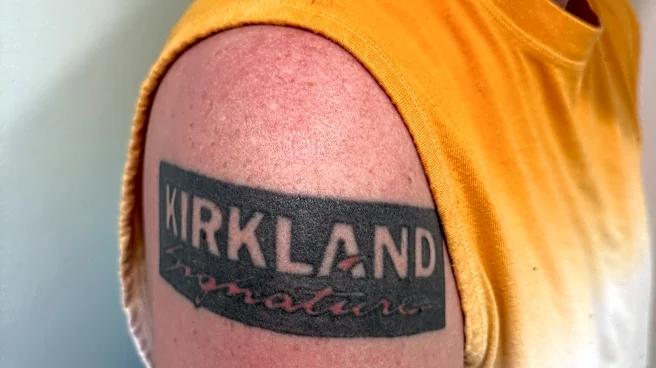
Costco has developed a unique and fervent fan base, with individuals expressing their loyalty through tattoos and themed celebrations. Max Ellinger, a devoted Costco member, has a tattoo of the Kirkland Signature logo, symbolizing his deep connection
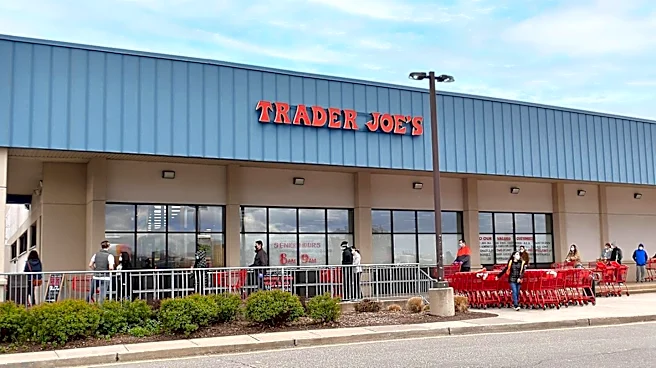
to the brand. This trend of retail fandom extends beyond Costco, with other brands like Trader Joe's and Buc-ee's also cultivating dedicated followings. These superfans often engage in activities such as themed parties and social media interactions, showcasing their brand loyalty. The phenomenon highlights how retail brands have become integral to personal identity and community building.
Why It's Important?
The rise of retail fandom signifies a shift in consumer behavior where brand loyalty transcends traditional shopping experiences. This trend has implications for marketing strategies, as companies can leverage this loyalty to foster community and enhance brand engagement. For businesses, understanding and nurturing these fan communities can lead to increased customer retention and brand advocacy. Additionally, this phenomenon reflects broader societal trends where individuals seek connection and identity through shared interests, even in commercial contexts. The emotional attachment to brands like Costco underscores the potential for retail spaces to serve as social hubs.
What's Next?
As retail fandom continues to grow, companies may explore new ways to engage with their superfans, potentially through exclusive events, merchandise, or loyalty programs. Businesses might also consider how to replicate Costco's success in creating a sense of community and belonging among customers. The trend could lead to more personalized marketing efforts and collaborations with influencers who embody the brand's values. Additionally, as consumers increasingly seek meaningful connections, brands that successfully cultivate these relationships may gain a competitive edge in the marketplace.
Beyond the Headlines
The deep emotional connection between superfans and brands like Costco raises questions about consumer culture and identity. It highlights the role of retail spaces as modern-day community centers, where people find comfort and belonging. This trend also prompts discussions about the ethical implications of consumerism and the potential for brands to influence personal identity. As retail fandom evolves, it may challenge traditional notions of brand loyalty and consumer behavior, prompting businesses to rethink their engagement strategies.