




What's Happening?
Jamieson Greer, the United States Trade Representative, announced on November 20, 2026, that the Office of the U.S. Trade Representative (USTR) will conclude its investigation into industrial overcapacity in China and other nations "very soon," and definitively
before January. This announcement was made during an appearance on Bloomberg Television. The probe, conducted under Section 301 of the Trade Act of 1974, is a significant component of the U.S. government's strategy to address perceived unfair trade practices. Greer also discussed ongoing negotiations between the U.S. and China aimed at extending their current trade and tariff détente, which is scheduled to expire in January. The impending report from the USTR is expected to detail the findings of this extensive investigation.
Why It's Important?
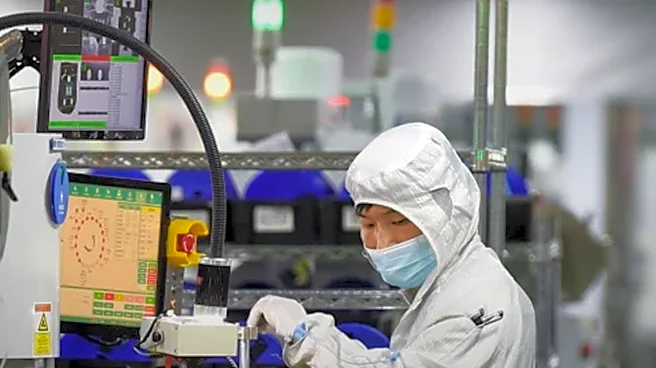
The completion of the USTR's industrial overcapacity probe holds substantial importance for U.S. industries and the broader global economy. Industrial overcapacity, particularly from countries like China, can lead to depressed prices, reduced profitability for domestic manufacturers, and job losses in affected sectors within the United States. The findings of this Section 301 investigation could pave the way for new tariffs, trade restrictions, or other retaliatory measures, potentially impacting supply chains and consumer prices. U.S. manufacturers, especially in sectors vulnerable to foreign competition, stand to gain from any actions taken to level the playing field, while importers and consumers might face increased costs. The outcome will also influence the trajectory of U.S.-China trade relations, which are already complex and subject to ongoing negotiations.
What's Next?
The immediate next step will be the release of the USTR's report on industrial overcapacity, which is expected before January. This report will likely outline specific findings and potentially recommend policy actions, including tariffs or other trade remedies. Following the report's release, the U.S. government will need to decide on its course of action, which could involve implementing new trade measures or using the findings as leverage in ongoing trade negotiations with China. The expiration of the current U.S.-China trade and tariff détente in January adds urgency to these developments, as both sides will be looking to establish new terms for their trade relationship. Reactions from U.S. industries, international trading partners, and the Chinese government will be closely watched.
Beyond the Headlines
The USTR's investigation into industrial overcapacity extends beyond immediate trade disputes, touching upon fundamental questions of global economic fairness and national industrial policy. The concept of industrial overcapacity often involves state subsidies and other non-market interventions that can distort global markets, raising ethical and legal questions about fair competition. This probe could set precedents for how the U.S. and other nations address similar issues in the future, potentially leading to a re-evaluation of international trade rules and enforcement mechanisms. The long-term implications could include a shift towards more protectionist trade policies or, conversely, renewed efforts to strengthen multilateral trade frameworks to address these systemic challenges. The focus on China also highlights the ongoing strategic competition between the two economic superpowers.