



What's Happening?
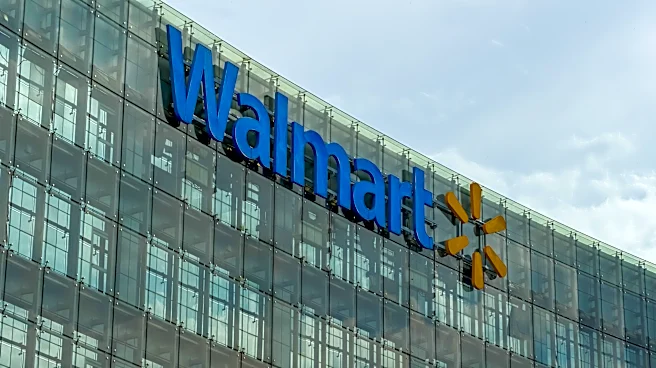
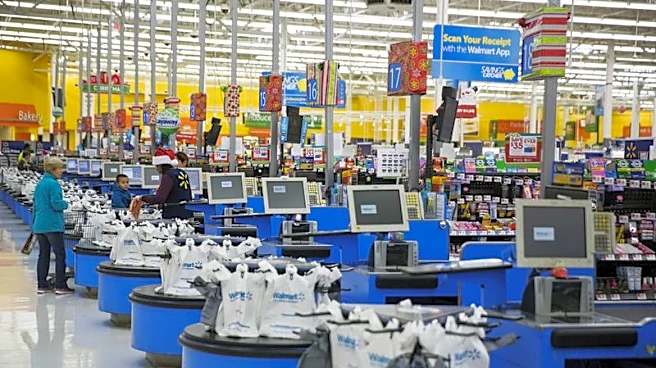
Walmart Inc. is actively engaged in operating retail and wholesale stores, clubs, e-commerce websites, and mobile applications across 19 countries. The company's operations are segmented into Walmart U.S., Walmart International, and Sam's Club U.S. It
manages various retail formats including supercenters, supermarkets, warehouse clubs, and discount stores under brands like Walmart and Walmart Neighborhood Market. Additionally, Walmart operates membership-only warehouse clubs and a robust e-commerce presence through sites such as walmart.com.mx, walmart.ca, flipkart.com, and PhonePe. The product offerings are extensive, encompassing groceries, health and wellness items, home goods, electronics, apparel, and more. Beyond retail, Walmart provides financial services like money transfers, bill payments, and co-branded credit cards, alongside digital payment platforms. The company, founded in 1945 and headquartered in Bentonville, Arkansas, changed its name from Wal-Mart Stores, Inc. to Walmart Inc. in February 2018.
Why It's Important?
Walmart's expansive global footprint and diverse operational segments highlight its significant influence on the retail sector and consumer markets worldwide. Its strategy of integrating physical stores with e-commerce platforms positions it as a leader in omnichannel retail, impacting how consumers shop and how competitors adapt. The company's broad product range, from essential groceries to electronics and financial services, makes it a critical provider for millions of households, affecting supply chains, pricing strategies, and employment across numerous industries. The continued growth and adaptation of Walmart's e-commerce capabilities, including platforms like Flipkart and PhonePe, are particularly important in shaping the future of digital commerce and financial technology, especially in emerging markets. Its scale also means that its business decisions, such as investments in technology or changes in labor practices, can have ripple effects across the broader U.S. and international economies.
What's Next?
Walmart is expected to continue its focus on integrating its physical and digital retail channels to enhance customer experience and operational efficiency. Future developments may include further expansion of its e-commerce capabilities, particularly in international markets, and the introduction of new digital payment solutions. The company will likely invest in technological advancements such as artificial intelligence and automation to optimize supply chain management and in-store operations. Given its vast network, Walmart may also explore new service offerings or partnerships to diversify its revenue streams and maintain its competitive edge. Monitoring consumer trends and adapting its product assortment and service delivery will be crucial for Walmart to sustain its market leadership in the evolving retail landscape.
Beyond the Headlines
Walmart's extensive reach and operational model present deeper implications beyond its immediate retail activities. The company's influence on global supply chains is immense, often dictating standards for suppliers and impacting manufacturing practices worldwide. Its role in providing essential goods and services, particularly in underserved communities, highlights its societal impact, while also raising questions about local business competition. Furthermore, Walmart's adoption of digital payment platforms and financial services positions it as a significant player in the fintech space, potentially altering traditional banking relationships for its vast customer base. The company's ongoing evolution in e-commerce and technology also reflects broader shifts in consumer behavior and the increasing digitalization of daily life, making it a bellwether for future retail and economic trends.