






What's Happening?
Jenae Sperling, a University of Oregon media studies graduate, conducted a capstone project titled 'Progress vs. Reality: Are We Actually Advancing Women’s Sports?' Her research investigated whether increased visibility for women's sports translates into
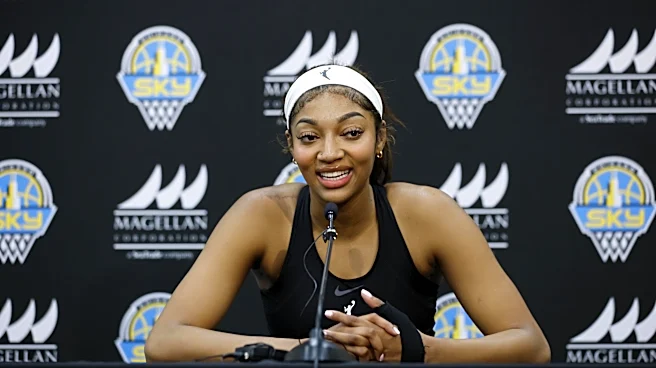
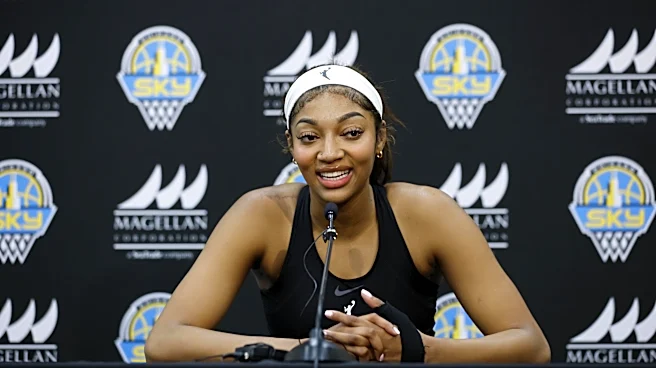
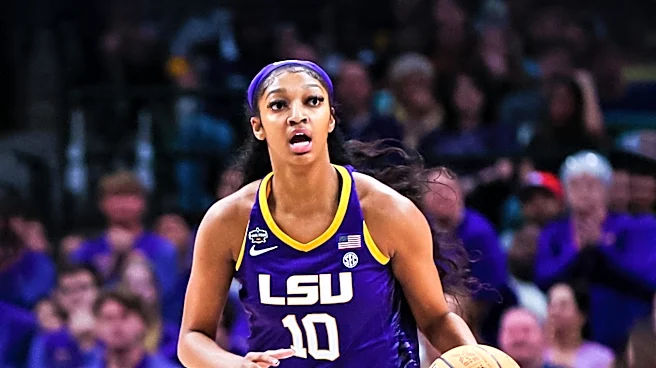
equitable representation. Sperling, a former UO Division I lacrosse student-athlete, analyzed how female athletes are portrayed in traditional and digital media, focusing on athletic performance, emotions, and physical appearance. Her findings indicate that while visibility has grown, media coverage often emphasizes gendered expectations, appearance, personality, or personal lives over athletic accomplishments. For instance, German runner Alica Schmidt is frequently labeled the 'world’s sexiest athlete,' overshadowing her track achievements. Similarly, coverage of basketball stars Caitlin Clark and Angel Reese often highlighted their rivalry and personalities, garnering more views than reports of Clark breaking records, a trend Sperling noted is less common in men's sports.
Why It's Important?
This research is important because it highlights a critical disparity in how women's sports are covered, even as their popularity grows. The emphasis on non-athletic attributes like appearance and personality can undermine the recognition of female athletes as elite competitors, potentially affecting their professional standing, endorsement opportunities, and the overall perception of women's sports. For the U.S. sports media industry, Sperling's findings suggest a need for more nuanced and performance-focused storytelling to ensure true equity. If media continues to prioritize sensationalism or gendered narratives, it risks perpetuating stereotypes and hindering the full professional and cultural integration of women's sports. This impacts not only the athletes themselves but also the audience, who may be less exposed to the athletic prowess and strategic depth of women's competitions.
What's Next?
As Jenae Sperling begins her career as a sports production intern with ABC7 Los Angeles, her research insights could influence how she and other emerging journalists approach sports storytelling. The project encourages future journalists and communicators to look beyond surface-level narratives and focus on the 'human experiences' and athletic achievements of women athletes. This shift could lead to more comprehensive and equitable media coverage, potentially influencing editorial decisions in major sports outlets. Stakeholders in women's sports, including leagues, teams, and advocacy groups, may leverage such research to push for changes in media representation, advocating for content that consistently recognizes female athletes as elite competitors. The ongoing discussion around media portrayal could also prompt sports organizations to develop guidelines for more balanced reporting.
Beyond the Headlines
The deeper implication of Sperling's research lies in the societal perception of female athletes and women in general. When media prioritizes appearance or personality over skill, it reinforces broader cultural biases that often reduce women to their physical attributes or interpersonal dynamics. This can have long-term effects on how young girls perceive their own athletic potential and how society values women's achievements. Ethically, the media has a responsibility to portray athletes fairly and accurately, recognizing their professional contributions. Legally, while direct discrimination might be hard to prove in media framing, the cumulative effect of such coverage can contribute to systemic inequalities. Culturally, a shift towards recognizing female athletes for their athletic prowess could help dismantle gender stereotypes and foster a more equitable appreciation for women's sports.