







What's Happening?
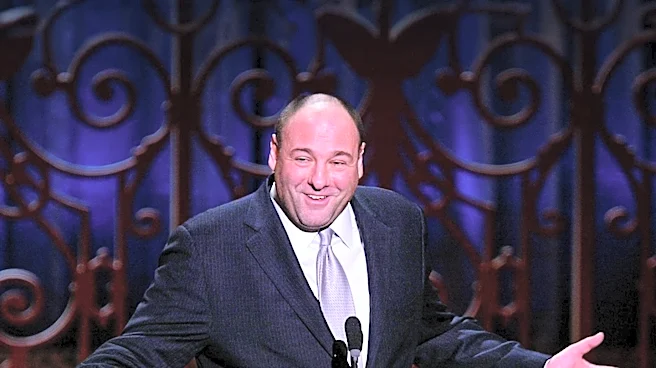
James Gandolfini, known for his role in 'The Sopranos,' was offered $4 million to replace Steve Carell in the popular TV series 'The Office.' However, HBO intervened and paid Gandolfini $3 million to refuse the offer. This decision prevented Gandolfini from
joining 'The Office' cast and ensured his continued association with HBO, where he had achieved significant fame. The offer to Gandolfini came as Steve Carell, who played Michael Scott, was departing from the show, leading to a search for a replacement to maintain the series' momentum.
Why It's Important?
This event highlights the significant financial and strategic decisions made by major television networks to retain their star talent and protect their intellectual property. HBO's willingness to pay a substantial sum to Gandolfini underscores the perceived value of his association with the network, particularly given the success of 'The Sopranos.' For 'The Office,' this decision meant the show had to pursue other options for Carell's replacement, potentially altering the series' trajectory and character dynamics. It also illustrates the competitive landscape of the entertainment industry, where networks actively work to secure and maintain their leading actors, even if it means preventing them from taking roles on rival productions.
What's Next?
Following Gandolfini's refusal, 'The Office' continued its run with other actors filling the void left by Steve Carell's departure. The show explored various guest stars and new characters to lead the Dunder Mifflin branch, ultimately concluding in 2013. This incident serves as a historical footnote in the casting decisions of a highly successful television series and demonstrates the complex negotiations that often occur behind the scenes in Hollywood. It also reinforces the idea that major networks are prepared to invest heavily to protect their brand and talent roster.
Beyond the Headlines
The decision by HBO to pay James Gandolfini to decline a role on another network's show reveals the intricate web of talent contracts and strategic maneuvering within the entertainment industry. It raises questions about actor autonomy versus network control and the long-term implications of such financial incentives. This type of intervention can shape an actor's career path and influence the creative direction of television series. It also underscores the immense value placed on established stars and successful franchises, where retaining key figures is paramount to maintaining audience engagement and market share.