

What's Happening?
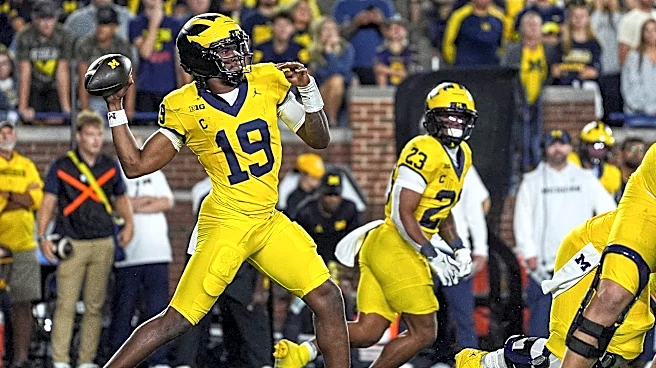
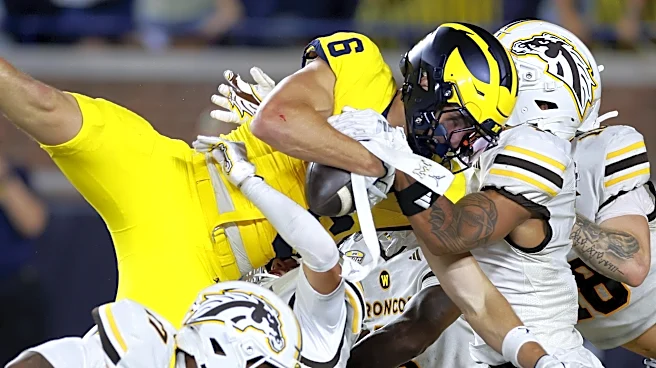
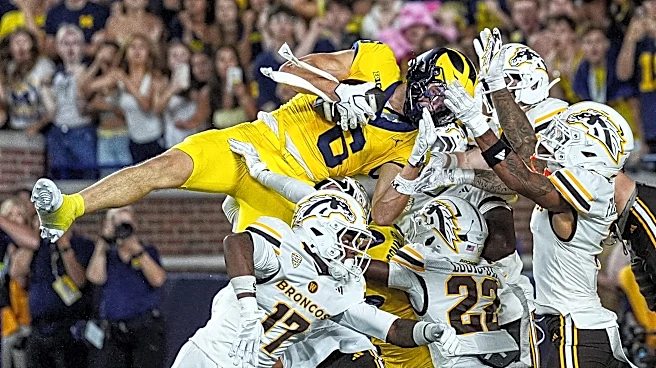
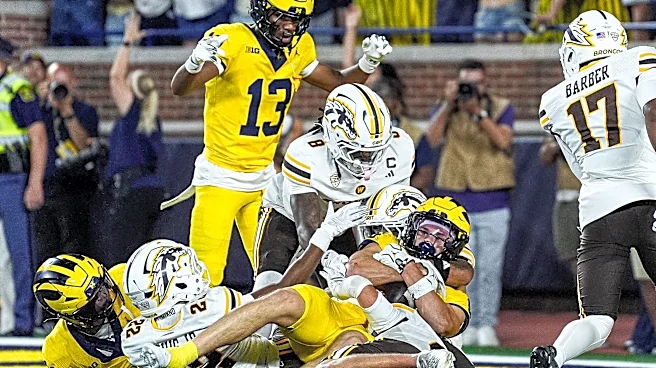
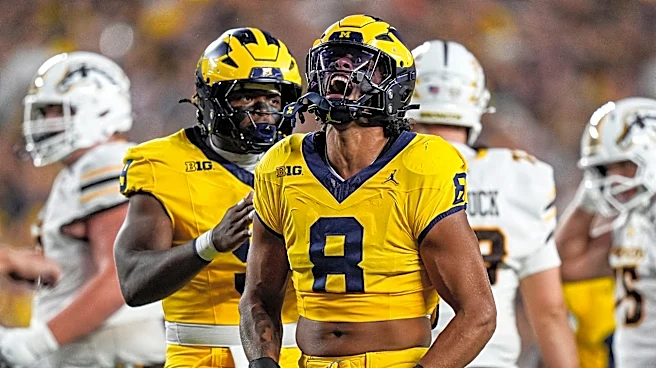
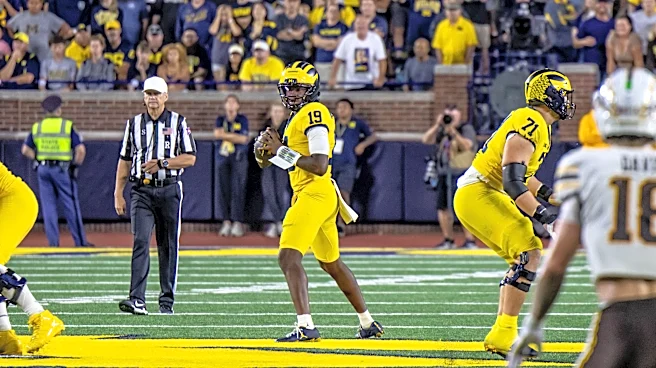
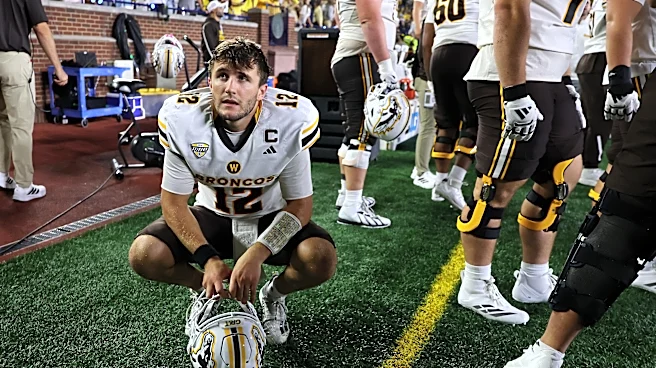
A recent college football game between Michigan and Western Michigan concluded with significant controversy surrounding the officiating. Michigan secured a narrow 13-12 victory after officials restored one second to the game clock, allowing for a game-winning
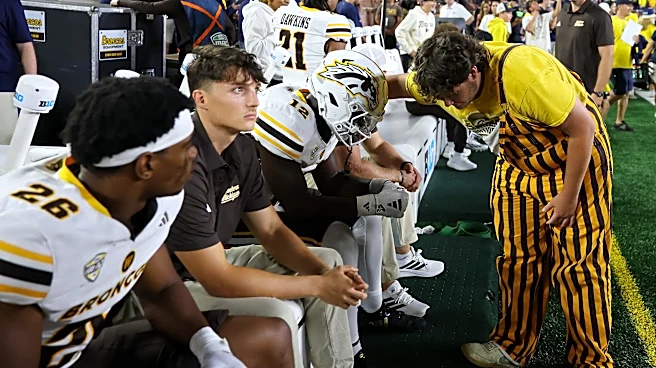
touchdown. Western Michigan players initially celebrated what they believed was an upset win, but a replay review led to the decision to add time. The Big Ten conference later released a statement, video replay, and audio of the officials' discussion, asserting that an alternate camera angle supported the ruling of a Western Michigan defender touching the ball out of bounds with one second remaining. Despite this explanation, Western Michigan president Russ Kavalhuna called for a review of the ending, and fans widely criticized the officiating crew, led by referee Jim Wharrie, with many accusing them of corruption and cheating. MAC commissioner Jon Steinbrecher contacted the Big Ten for an explanation and indicated satisfaction with their response, but public outcry continued.
Why It's Important?
This incident highlights ongoing concerns about officiating integrity and accountability in college sports, particularly in high-stakes games. The immediate and widespread public reaction, including calls for officials to be fired and accusations of 'rigging,' underscores a growing distrust among fans regarding fairness in sports. Such controversies can damage the reputation of athletic conferences and the sport itself, potentially impacting viewership, fan engagement, and the perception of competitive balance. For smaller programs like Western Michigan, a controversial loss against a major program like Michigan can have significant implications for team morale, recruitment, and financial opportunities. The incident also brings into question the transparency and effectiveness of replay review processes, as even with official explanations and video evidence, a substantial portion of the audience remains unconvinced, suggesting a deeper issue with how these decisions are communicated and perceived.
What's Next?
While MAC commissioner Jon Steinbrecher has indicated satisfaction with the Big Ten's explanation, the public and media scrutiny are likely to persist. It is improbable that the game's outcome will be overturned, but the incident could prompt further discussions within the Big Ten and other athletic conferences regarding officiating standards, training, and accountability measures. There may be increased pressure on officiating bodies to enhance transparency and communication around controversial calls. Fans and analysts will continue to debate the legitimacy of the call, potentially influencing future perceptions of both Michigan's team and the Big Ten's officiating. The controversy may also lead to calls for rule adjustments or technological advancements to minimize human error and improve the accuracy of game-ending decisions in college football.
Beyond the Headlines
The controversy surrounding the Michigan-Western Michigan game touches upon broader themes of fairness, trust, and the commercialization of college sports. The intense fan reaction, including accusations of 'corruption' and 'cheating,' reflects a sentiment that the integrity of the game is sometimes compromised, especially when major programs are involved. This perception can erode the emotional investment of fans, who feel that outcomes are predetermined or influenced by factors beyond pure athletic competition. The incident also highlights the power dynamics within college athletics, where a major conference like the Big Ten's explanation, even if technically sound, may not fully appease a smaller conference or its fanbase. This ongoing tension between the pursuit of competitive excellence and the maintenance of perceived fairness is a critical challenge for college sports, with potential long-term implications for its cultural significance and economic model.