




What's Happening?
Baku, Azerbaijan, is hosting the World Sumo Championships for the first time in its history, as reported by Azernews. The opening ceremony took place at the Baku Sports Palace, featuring a parade of flags from participating countries. Azerbaijan's Minister
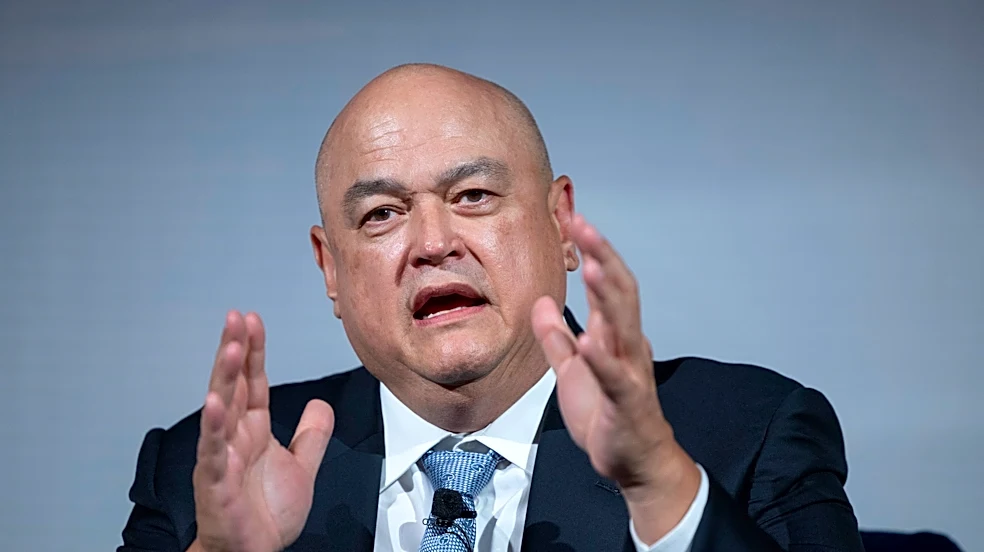
of Youth and Sports, Farid Gayibov, highlighted the significance of holding the championships in Baku, emphasizing the state's strong support for sports. Atil Agamirov, president of the Association of Japanese Martial Arts and Culture, noted that the tournament would help strengthen friendly relations between nations. Sho Hakuho, president of the International Sumo Federation, congratulated Azerbaijan on hosting the event and on its Restoration of Independence Day, expressing gratitude to the organizers and participants. Athletes from nearly 30 countries are competing in various age groups, with matches held on a specially prepared earthen dohyo ring, adhering to the traditions of Japanese sumo. The tournament follows international amateur sumo rules, including weight categories and separate events for women.
Why It's Important?
Hosting the World Sumo Championships marks a significant milestone for Baku and Azerbaijan, showcasing the country's growing capacity to host international sporting events. This event elevates Azerbaijan's profile on the global sports stage and contributes to its reputation as a destination for diverse athletic competitions. The emphasis on state support for sports, as mentioned by Minister Farid Gayibov, underscores a national commitment to athletic development and international engagement. The championships also serve as a platform for cultural exchange, strengthening friendly relations between participating countries through the shared spirit of competition, as noted by Atil Agamirov. For the sport of sumo, the event in Baku demonstrates its expanding global reach and appeal beyond its traditional origins, bringing together athletes and fans from different nations. The inclusion of women's events and weight categories in amateur sumo rules highlights the sport's evolution towards greater inclusivity and broader participation.
What's Next?
The championships will continue with individual and team competitions for men and women, following the events for boys and girls under 18 that have already taken place. The successful hosting of this event could pave the way for Baku to host other major international sports tournaments in the future, further solidifying its position as a sports hub. The experience gained from organizing such a large-scale event will enhance Azerbaijan's capabilities in sports management and logistics. The increased visibility of sumo in Azerbaijan might also inspire greater local interest and participation in the sport, potentially leading to the development of local sumo talent. The International Sumo Federation will likely use the success of the Baku championships as a model for future events, continuing its efforts to expand sumo's global footprint and foster international camaraderie through sport.
Beyond the Headlines
Beyond the immediate sporting spectacle, hosting the World Sumo Championships can have broader cultural and economic implications for Baku. It provides an opportunity to showcase Azerbaijan's rich cultural heritage and modern infrastructure to an international audience, potentially boosting tourism and foreign investment. The event fosters a sense of national pride and unity, celebrating Azerbaijan's ability to bring diverse nations together through sport. The emphasis on traditional Japanese sumo elements, such as the earthen dohyo ring, also highlights the cultural exchange inherent in international sports, promoting understanding and appreciation of different traditions. This event contributes to a global narrative of sports diplomacy, where athletic competitions serve as a means to build bridges between countries and promote peaceful international relations, transcending political or cultural differences.