





What's Happening?
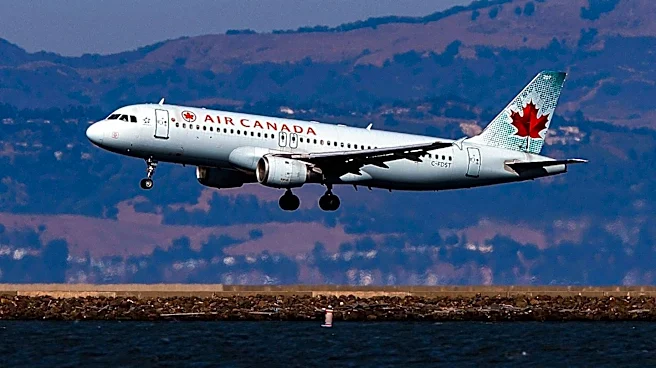
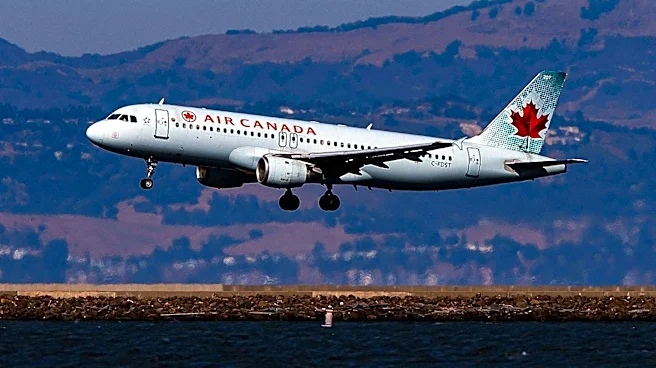
Air Canada has announced the cancellation of its Halifax (YHZ) to Brussels (BRU) route for the summer 2027 season. This decision comes before the route was scheduled to transition from mainline operations to Air Canada Rouge. The airline had initially
planned to resume the service on June 17, 2027, with Air Canada Rouge operating three weekly flights using Boeing 737 MAX 8 aircraft, continuing through September 5, 2027. The Halifax-Brussels route was first launched in June 2026 and operated three times a week during its inaugural season. This cancellation is part of a broader strategy by Air Canada to shift some of its MAX aircraft to its leisure subsidiary, Air Canada Rouge, with up to 45 aircraft expected to be transferred by the end of the current year. This fleet modernization aims to replace older Rouge aircraft with newer, more standardized cabins, though planes under the Rouge brand will retain Air Canada’s mainline livery and feature reconfigured interiors.
Why It's Important?
The cancellation of the Halifax-Brussels route for summer 2027 by Air Canada has several implications for transatlantic travel and regional economies. For travelers, it reduces direct flight options between Atlantic Canada and Europe, potentially leading to longer travel times, increased costs due to connecting flights, or a shift to other airlines. For the Halifax Stanfield International Airport (YHZ) and the broader Nova Scotia region, the loss of this direct European link could impact tourism, business travel, and cargo operations, which rely on robust air connectivity. The decision also reflects Air Canada's ongoing fleet modernization and operational adjustments, where the airline is strategically reallocating its resources and aircraft. While the move to standardize cabins and update the Rouge fleet aims for efficiency and a refreshed passenger experience, it also means certain routes may be deemed less viable under the new operational model. This could signal a broader trend in the airline industry where profitability and fleet commonality drive route decisions, potentially affecting smaller or less-trafficked international routes.
What's Next?
Air Canada's fleet modernization strategy, which involves transferring up to 45 MAX aircraft to Air Canada Rouge by the end of the year, will continue to unfold. This initiative aims to replace older Rouge aircraft with newer, more standardized cabins, enhancing the passenger experience on leisure-focused routes. While the Halifax-Brussels route is canceled, other planned transfers of European services to Air Canada Rouge for Summer 2027 include Montréal-Reykjavik, Toronto Pearson-Ponta Delgada, and Toronto Pearson-Reykjavík Keflavík. Travelers from Halifax seeking direct flights to Brussels or other European destinations will need to explore alternative airlines or connecting flights through larger hubs. The airline will likely continue to evaluate its route network based on demand, profitability, and the capabilities of its modernized fleet. The focus on standardized cabins and refreshed interiors for the Rouge brand suggests an ongoing effort to optimize its leisure offerings, potentially leading to new route announcements or adjustments in other markets.
Beyond the Headlines
The cancellation of the Halifax-Brussels route, while seemingly a localized service adjustment, underscores the dynamic and often ruthless nature of airline route planning. Airlines constantly balance operational costs, aircraft availability, market demand, and competitive pressures when deciding which routes to maintain or launch. The shift of MAX aircraft to Air Canada Rouge and the emphasis on 'standardized cabins' points to a strategy of optimizing the leisure segment of their business, potentially at the expense of less profitable or strategically aligned routes. This could lead to a more segmented market, where mainline carriers focus on high-yield business and premium routes, while their leisure subsidiaries handle more price-sensitive vacation travel. For regional airports like Halifax, such decisions highlight the vulnerability of international connectivity to airline corporate strategies, emphasizing the need for airports to continuously attract and retain air service through incentives and market development efforts. The broader implication is a potential reshaping of global air travel networks, with a greater concentration of international flights through major hubs and a more specialized role for leisure-focused subsidiaries.