






What's Happening?
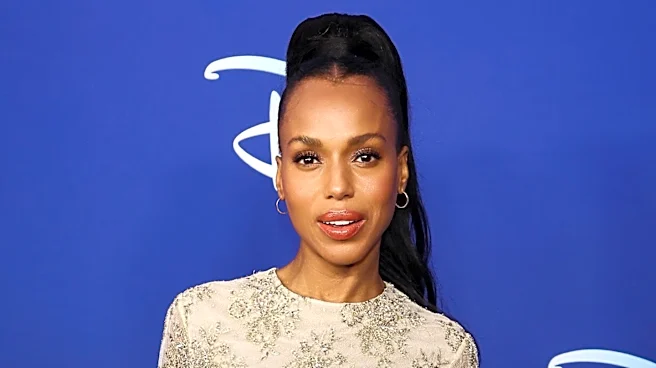
Actress Kerry Washington, at 49, emphasizes a holistic approach to her well-being, integrating Pilates, strength training, and therapy into her routine. A devotee of Pilates for two decades, she views it as crucial for self-awareness and injury prevention,
practicing three to four times a week. She also incorporates twice-weekly strength training sessions, lifting heavier weights for longevity and bone health. Washington openly discusses her past struggles with disordered eating and body image, which she addressed through therapy starting at age 19. She now advocates for accessible mental health resources, including investing in Equip, an evidence-based virtual practice for eating disorder treatment. Her approach to eating is mindful and flexible, focusing on self-forgiveness and grace to avoid triggers. Washington also invests in other women's healthcare companies, such as Winx, a sexual and reproductive health company, aiming to democratize healing and wellness resources.
Why It's Important?
Kerry Washington's public advocacy and personal journey highlight critical issues in U.S. healthcare and societal perceptions of wellness. Her openness about disordered eating and mental health struggles helps destigmatize these conditions, encouraging others to seek help. Her investment in Equip addresses a significant gap in accessible, evidence-based treatment for eating disorders, which often lack adequate resources. By supporting companies like Winx, she champions women's sexual and reproductive health, an area frequently overlooked. This focus on holistic well-being, combining physical fitness, mental health, and mindful living, promotes a more comprehensive understanding of health beyond just the absence of illness. Her influence as a public figure can drive awareness and encourage policy discussions around mental health parity and accessible healthcare solutions, particularly for women and underserved communities.
What's Next?
Washington's continued advocacy and investments are likely to further impact the landscape of mental health and women's healthcare. Her involvement with Equip could lead to increased visibility and adoption of virtual treatment models for eating disorders, potentially making care more accessible across different demographics and geographic locations in the U.S. Her emphasis on self-care and holistic wellness may inspire more individuals to adopt similar practices and seek integrated health solutions. As she continues to expand her business investments in healthcare, there's potential for her to influence broader industry trends towards patient-centered, accessible, and comprehensive care. Her work also sets a precedent for other public figures to use their platforms to address critical health issues and support innovative solutions.
Beyond the Headlines
Washington's narrative delves into the deeper societal pressures and personal struggles many face regarding body image and mental health. Her journey from using food as a coping mechanism to embracing self-forgiveness and mindful eating reflects a broader cultural shift towards self-compassion and away from punitive health regimens. Her commitment to democratizing healing highlights systemic inequities in healthcare access, particularly for mental health and women's specific needs. By sharing her story, she challenges the idealized images often portrayed in media, offering a more authentic and relatable perspective on wellness. This can foster a more supportive environment for individuals to address their own health challenges, promoting a culture where seeking help is seen as a strength rather than a weakness. Her actions underscore the ethical responsibility of public figures to advocate for social good and leverage their influence for positive change in critical areas like healthcare.