








What's Happening?
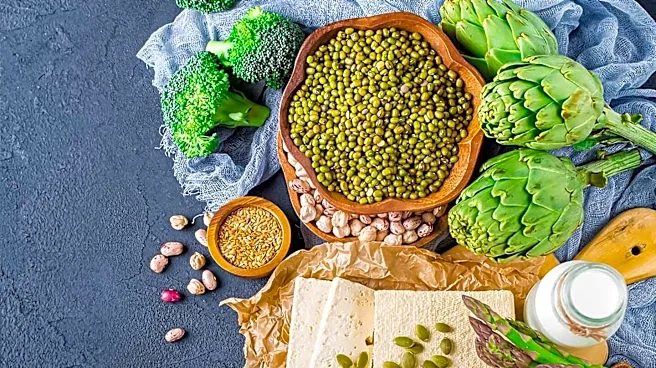
Three oncologists have shared insights on dietary choices that can help reduce cancer risk. Dr. Nathan Handley, Dr. Sudarsan Vishnu Kollimuttathuillam, and Dr. Dillon Cason emphasize the importance of a plant-based diet, which includes vegetables, fruits,
whole grains, beans, and nuts. They advise against regular consumption of fried foods, which are linked to increased cancer risk due to compounds formed at high cooking temperatures. The oncologists suggest that while diet alone accounts for about 4% of U.S. cancer cases, it is a significant factor when combined with other modifiable risk factors like body weight and inactivity. They recommend focusing on overall healthy eating patterns rather than worrying about individual meals.
Why It's Important?
The recommendations from these oncologists highlight the role of diet in cancer prevention, which is crucial given that lifestyle and environmental factors contribute to 30-50% of cancers globally. By adopting a diet rich in plant-based foods and minimizing processed and fried foods, individuals can significantly lower their cancer risk. This approach not only supports cancer prevention but also promotes overall health and well-being. The emphasis on sustainable dietary changes rather than restrictive diets is important for long-term adherence and health benefits.
What's Next?
Individuals are encouraged to gradually incorporate more plant-based foods into their diets and reduce the intake of fried and processed foods. Healthcare providers may continue to educate patients on the benefits of a healthy diet as part of cancer prevention strategies. Further research may explore the specific mechanisms by which diet influences cancer risk, potentially leading to more targeted dietary recommendations.
Beyond the Headlines
The oncologists' advice underscores a broader cultural shift towards plant-based diets, which are gaining popularity for their health and environmental benefits. This trend may influence food industry practices, leading to increased availability of plant-based options in restaurants and grocery stores. Additionally, public health campaigns may increasingly focus on promoting dietary changes as a means to prevent not only cancer but other chronic diseases as well.