


What's Happening?
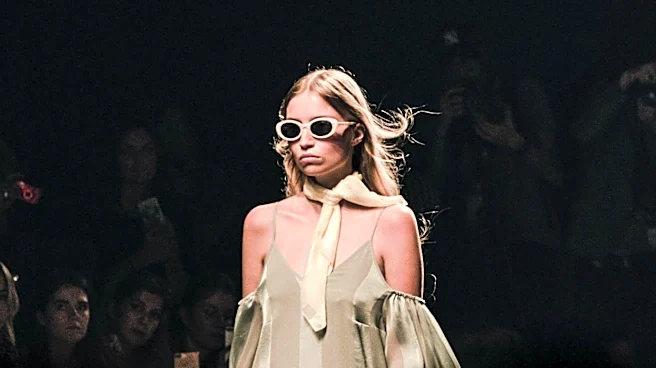
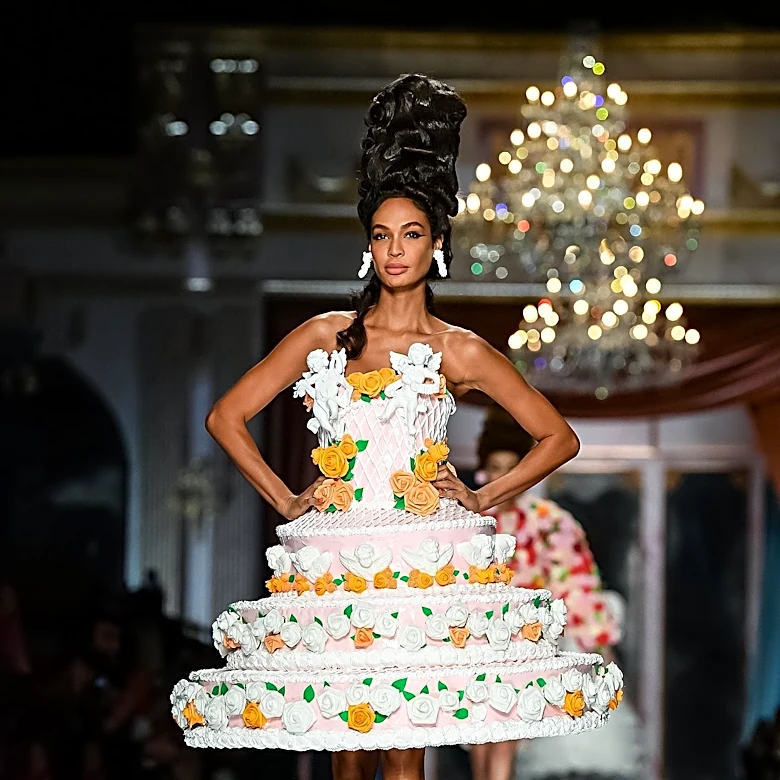
LA Weekly has published an in-depth feature detailing the ten-year journey of The Bureau Fashion Week, tracing its evolution from intimate shows for approximately fifty guests to a multi-city runway circuit spanning New York, Los Angeles, and Paris. The article
highlights the company's deliberate and unfunded-by-hype growth, built show by show. A significant turning point was the rebrand from The Society Fashion Week to The Bureau Fashion Week, which reflected a strategic shift from merely staging shows to operating a repeatable, multi-market production system. Over the past decade, more than 50,000 guests have attended its runways. The current operational calendar includes seasons in New York in February and September, and Los Angeles in March, with Paris also on the schedule. The Bureau Fashion Week maintains an in-house approach to all aspects of its productions, including casting, ticketing, content creation, and overall production, emphasizing a strategy of owning every layer of the process rather than outsourcing.
Why It's Important?
This detailed account by LA Weekly underscores a significant development in the U.S. fashion industry, particularly concerning the democratization and accessibility of fashion week events. The Bureau Fashion Week's model of building an in-house, multi-city circuit without relying on external funding or hype demonstrates a sustainable and scalable business strategy within a highly competitive industry. By producing events in major U.S. fashion hubs like New York and Los Angeles, the organization contributes to the economic vitality of these cities, creating opportunities for designers, models, and various production professionals. The emphasis on opening fashion week to a broader audience, as suggested by the article's context, could lead to increased consumer engagement and a more inclusive fashion landscape, potentially shifting traditional industry paradigms that often favor exclusivity. This approach could also inspire other event organizers to adopt similar self-sufficient and growth-oriented models, fostering innovation and resilience in the U.S. event management sector.
What's Next?
The Bureau Fashion Week is expected to continue its established circuit, with upcoming seasons scheduled for New York in February and September, and Los Angeles in March. The company's consistent growth and in-house production model suggest a continued focus on expanding its reach and refining its operational efficiency across its three global markets. Future developments may include further integration of technology and content creation, given their current in-house strategy, to enhance attendee experiences and broaden digital engagement. The success of this model could also lead to increased interest from emerging designers seeking platforms that offer comprehensive support and wider exposure. The organization's commitment to a 'decade-long build' implies a long-term vision for sustained growth and influence within the fashion industry, potentially leading to new partnerships or expansions into additional markets, further solidifying its position as a significant player in the global fashion week circuit.
Beyond the Headlines
The Bureau Fashion Week's journey, as chronicled by LA Weekly, highlights a broader trend in the event industry towards self-reliance and vertical integration. By owning every layer of production, from casting to ticketing, the organization not only maintains quality control but also builds a robust, adaptable system less susceptible to external market fluctuations. This model challenges the traditional reliance on external funding and sponsorship, fostering a more independent and resilient business structure. Furthermore, the narrative of starting with 'intimate shows for a few dozen guests' and scaling to 'thousands' without 'hype' speaks to a cultural shift valuing organic growth and genuine engagement over fleeting trends. This approach could influence how new businesses in creative industries are built and sustained, emphasizing foundational strength and consistent execution. The family-centric aspect, as mentioned in related coverage, also suggests a unique organizational culture that prioritizes long-term commitment and shared vision, potentially fostering a more stable and dedicated workforce within the often transient fashion industry.