

What's Happening?
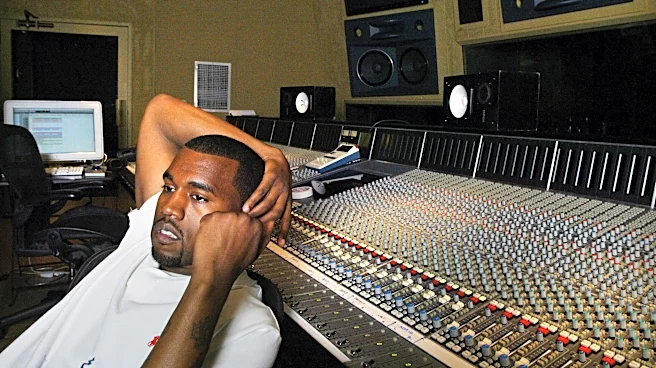
Composer, director, and performer Chase Taylor has filed a civil lawsuit against Kanye West, alleging false imprisonment, breach of contract, and unfair business practices. According to the complaint, West's team contacted Taylor in November 2019 to perform the lead
role in an opera about the Old Testament King Nebuchadnezzar. Taylor claims he was flown from North Carolina to Cody, Wyoming, where he was locked in a high school band room and told he could not leave without permission. He was then informed that the opera did not exist and he was expected to compose it within four days, along with teaching dozens of performers their roles. Taylor alleges that he worked under 'horrendous' and 'abusive conditions,' including long hours, insufficient food and water, and being denied adequate rest. The lawsuit also claims that West's team promised lucrative compensation, producer credit, and future work, none of which materialized. Taylor further asserts that West and his companies profited from his compositions for the Nebuchadnezzar opera and two subsequent 'Mary' operas without proper payment or credit.
Why It's Important?
This lawsuit highlights significant concerns regarding labor practices and artist compensation within the entertainment industry, particularly when dealing with high-profile figures. The allegations of false imprisonment and exploitative working conditions, if proven true, could set a precedent for how artists are treated during creative productions. For the music industry, it underscores the importance of clear contractual agreements and fair treatment of collaborators, especially those in less prominent positions. The case also brings into question the ethical responsibilities of producers and artists in ensuring a safe and equitable working environment. The outcome could influence future collaborations and contractual negotiations, potentially leading to increased scrutiny of working conditions and payment structures for creative professionals involved in large-scale projects. It also raises awareness about the potential for power imbalances to be exploited in creative endeavors.
What's Next?
The civil lawsuit filed by Chase Taylor against Kanye West will proceed through the legal system. Taylor is seeking the rights to the music he composed, an accounting of profits West allegedly owes him, and other damages and compensations for alleged fraud, false imprisonment, and unfair business practices. West's legal team will likely respond to the allegations, and the case could involve discovery, depositions, and potentially a trial. The outcome will depend on the evidence presented by both parties and the court's interpretation of the contractual agreements and labor laws. This case could also prompt other artists or collaborators who have worked with West to come forward with similar claims, potentially leading to further legal actions or increased public scrutiny of his past and future projects.
Beyond the Headlines
Beyond the immediate legal implications, this case touches upon broader themes of artistic ownership, intellectual property rights, and the often-unseen labor that goes into major creative productions. The allegations of West using Taylor's compositions in future songs without credit or compensation raise questions about the protection of intellectual property for contributing artists. It also sheds light on the power dynamics inherent in collaborations between established celebrities and less-known professionals, where the latter may feel pressured to accept unfavorable terms or conditions. The narrative of artists being 'locked in' and forced to create under duress evokes historical concerns about labor exploitation and artistic freedom. This situation could spark wider discussions within the entertainment industry about ethical production standards and the need for greater transparency and accountability in creative partnerships.