



What's Happening?
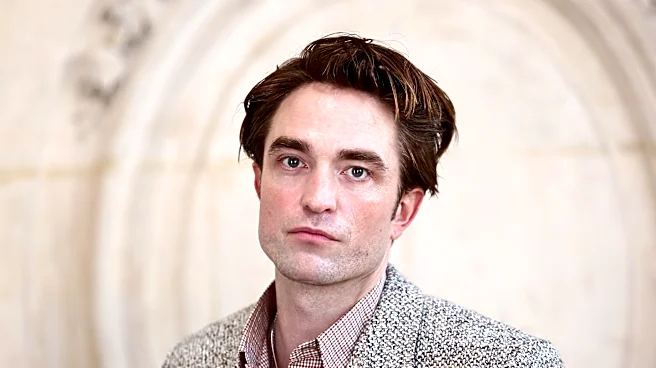
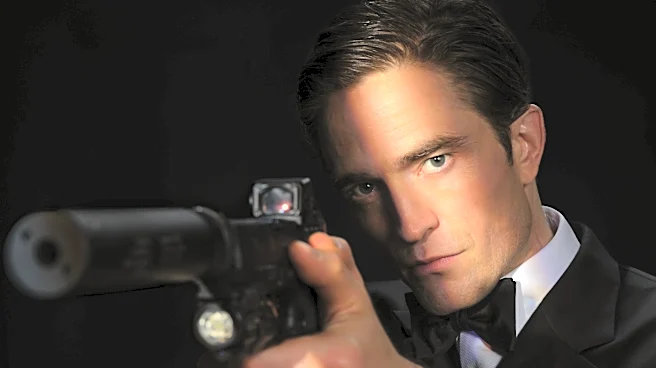
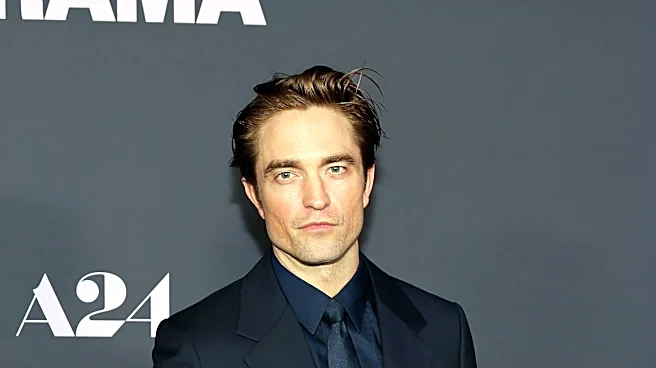
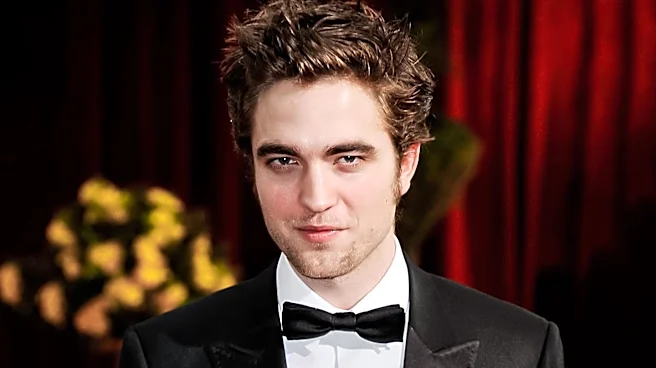
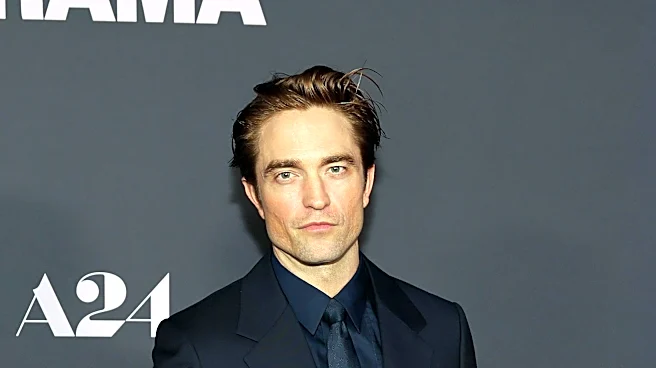
Robert Pattinson has been officially named the next James Bond, a decision that has sparked debate among TV hosts. On the November 19 episode of 'The Girls' podcast, Rachel Campos-Duffy, Kat Timpf, and Harris Faulkner, along with other panelists, discussed
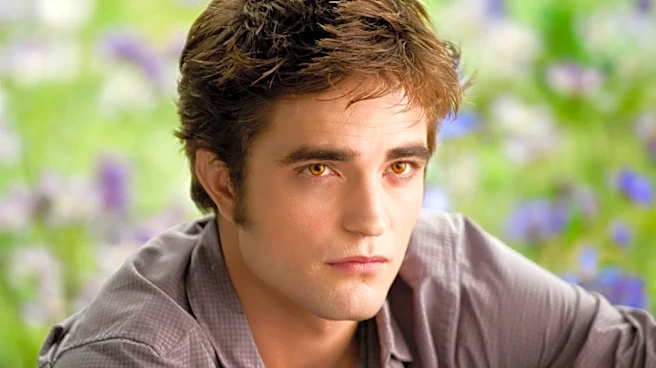
Pattinson's suitability for the role. Campos-Duffy and Timpf expressed skepticism, comparing Pattinson to previous Bonds like Sean Connery and Roger Moore, and questioning his 'manliness' for the character. Timpf, who admitted to not having seen any James Bond movies, characterized the role as a 'hardo alcoholic' and a 'badass,' contrasting it with Pattinson's 'sparkly vampire' image from 'Twilight.' Faulkner jokingly suggested Pattinson might be better suited as a Bond villain. However, Kaylee McGhee White, a 'Twilight' fan, defended Pattinson, citing his acting credentials and charm, predicting he would 'blow everyone's mind.' Amazon MGM Studios announced Pattinson's casting on November 16 for the 26th installment of the franchise, with Denis Villeneuve directing and Steven Knight writing the screenplay. Pattinson, known for roles in 'The Batman' and 'Twilight,' called the opportunity a 'dream come true.'
Why It's Important?
The debate surrounding Robert Pattinson's casting as James Bond highlights a broader cultural discussion about evolving perceptions of masculinity in Hollywood and iconic character portrayals. The James Bond franchise has historically embodied a specific type of masculine ideal, and the casting of an actor known for more nuanced or less traditionally 'tough' roles challenges these established norms. This shift could alienate a segment of the long-standing Bond fanbase who prefer the classic interpretation of the character, potentially impacting box office performance and critical reception. Conversely, it could attract a new, younger audience familiar with Pattinson's work, broadening the franchise's appeal. The discussion also reflects how media personalities and public figures influence audience expectations and shape narratives around major entertainment decisions, underscoring the power of public discourse in the entertainment industry. The choice of Pattinson signifies a potential redefinition of the James Bond character for a contemporary audience, moving away from older archetypes.
What's Next?
Robert Pattinson is set to succeed Daniel Craig as James Bond in the franchise's 26th installment. The film will be directed by Denis Villeneuve, with a screenplay by Steven Knight. While a release date has not yet been announced, the production will likely move forward with pre-production and filming in the coming months. The ongoing public debate and media scrutiny surrounding Pattinson's casting are expected to continue as more details about the film emerge, including additional cast members and plot specifics. The success or failure of this new iteration of James Bond will likely influence future casting decisions for other iconic characters and could set a precedent for how classic roles are reinterpreted for modern audiences. The film's performance will be closely watched by both fans and industry analysts to gauge the public's acceptance of this new direction for the beloved spy.
Beyond the Headlines
The discussion around Robert Pattinson's casting as James Bond delves into deeper societal conversations about gender roles and evolving definitions of heroism. The panelists' focus on whether Pattinson is 'manly enough' reflects a cultural tension between traditional masculine ideals and more contemporary, diverse representations of male characters. This debate extends beyond just the James Bond franchise, touching upon how audiences and critics perceive male leads in action roles and whether there is a demand for a more complex or less overtly 'macho' hero. The casting choice could be seen as an attempt by Amazon MGM Studios to modernize the character and make him more relevant to a new generation, potentially challenging long-held stereotypes. This move might also spark further conversations about the need for diverse portrayals of masculinity in media, moving away from a singular, often rigid, archetype. The outcome of this casting decision could have lasting implications for how classic characters are reimagined in an increasingly progressive cultural landscape.