






What's Happening?
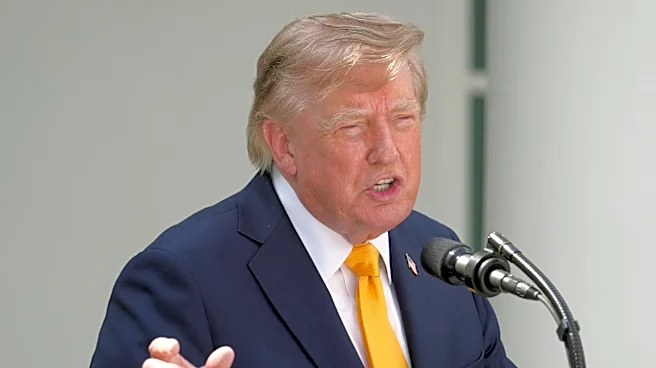
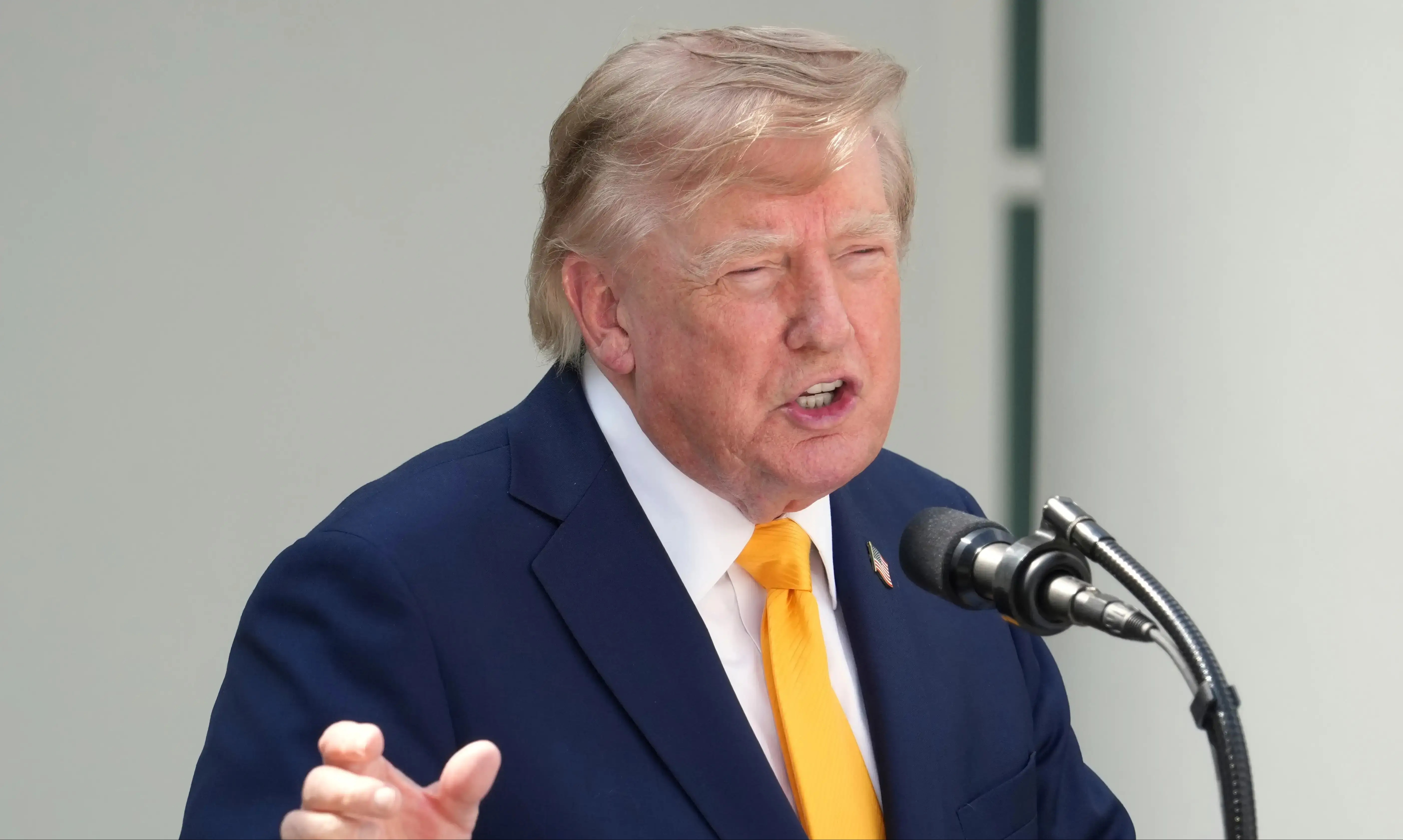
President Trump has threatened to impose 50% auto tariffs on all imports from Canada, effective January 1. This announcement follows earlier actions where the U.S. placed 50% tariffs on a limited range of Canadian exports after trade deal negotiations
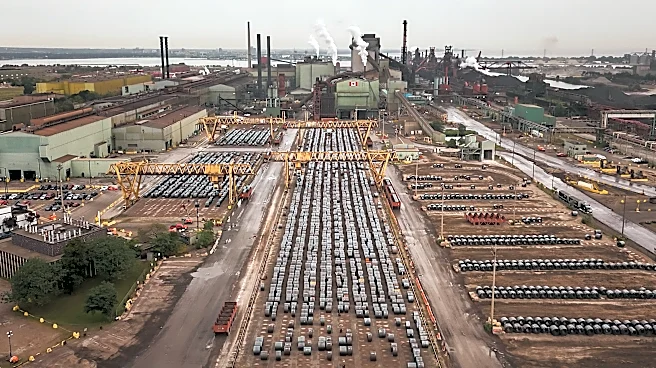
failed. Experts warn that these steep auto tariffs, if enacted, could severely disrupt the long-established business practices of the North American auto industry. Patrick Anderson, CEO of Anderson Economic Group, stated that such tariffs would be a 'body blow' to the industry, potentially leading to plant closures on both sides of the border. While Canada has a trade surplus with the U.S. overall, the U.S. maintains a nearly $1 billion monthly trade surplus with Canada in the auto sector. The North American Free Trade Agreement (NAFTA) and its successor, the US-Mexico-Canada Agreement (USMCA), have historically allowed for the free movement of parts and vehicles across borders, a process that could be significantly hampered by the proposed tariffs.
Why It's Important?
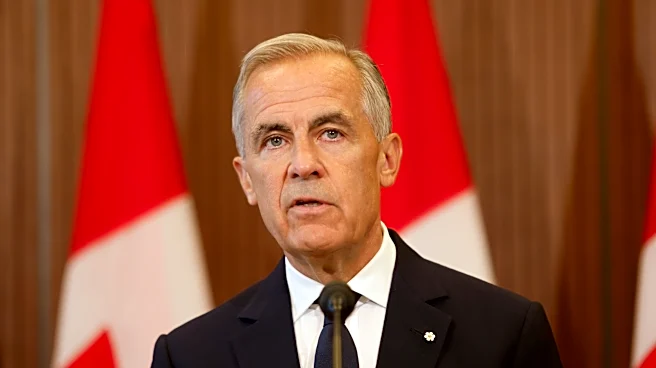
The proposed 50% tariffs on Canadian auto imports carry significant implications for the U.S. auto industry and its workforce. The integrated nature of the North American auto supply chain means that disruptions in Canada directly impact U.S. manufacturers and suppliers. Cars built in Canadian plants rely heavily on parts from U.S. suppliers, which employ over half a million Americans. Erin Keating, executive analyst with Cox Automotive, emphasized that the impact of 'unworkable tariffs' would extend far beyond Canadian assembly plants, affecting U.S. jobs in the auto parts industry and at assembly plants. Furthermore, Canadian consumers are a significant market for U.S.-built vehicles, purchasing approximately 663,000 cars from U.S. assembly plants last year. Canadian Prime Minister Mark Carney highlighted this interdependence, questioning the message such tariffs would send to workers in U.S. states like Michigan, Ohio, Kentucky, and Alabama, who depend on Canadian demand for automobiles.
What's Next?
The immediate future will likely involve continued discussions and potential negotiations between the U.S. and Canada regarding these proposed auto tariffs. The threat of such high tariffs could prompt various stakeholders, including U.S. automakers, auto parts suppliers, and labor unions, to lobby against their implementation due to the anticipated negative economic consequences. Unifor, the union representing Canadian auto workers, has already condemned the planned tariffs as an 'intimidation tactic,' emphasizing that the highly integrated auto industry means instability hurts workers in both countries. The situation could escalate into a broader trade dispute, impacting not only the auto sector but also other industries. The outcome will depend on whether a resolution can be reached to prevent the tariffs from taking effect on January 1, 2027, or if the U.S. administration proceeds with the proposed measures, leading to significant economic repercussions for both nations.
Beyond the Headlines
Beyond the immediate economic impact, these proposed tariffs highlight a deeper tension in international trade policy and the complexities of globalized industries. The auto industry, with its intricate cross-border supply chains, serves as a prime example of how protectionist measures can have unintended and far-reaching consequences, potentially harming the very domestic industries they aim to protect. This situation underscores the delicate balance between national economic interests and the benefits of integrated regional economies. It also raises questions about the long-term stability of trade agreements and the potential for political rhetoric to disrupt established economic partnerships. The tariffs could force a re-evaluation of supply chain strategies for automakers, potentially leading to costly reconfigurations and a shift away from the North American single market concept that has been in place for decades, ultimately impacting consumer prices and industry competitiveness.