



What's Happening?
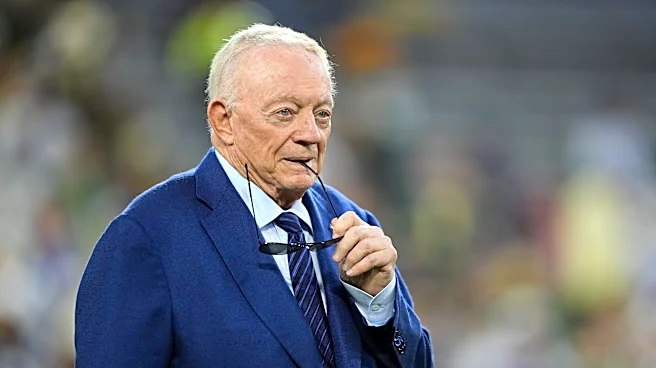
Dallas Cowboys owner and general manager Jerry Jones stated that there is no correlation between the amount paid to coaches and a team's winning record in the NFL. Speaking on Dallas radio station 105.3 The Fan, Jones asserted that his observation, based
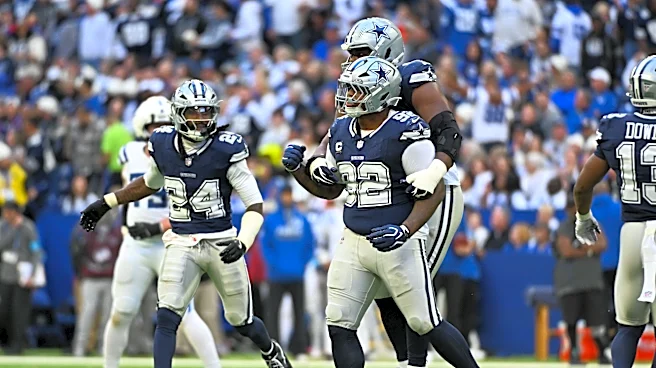
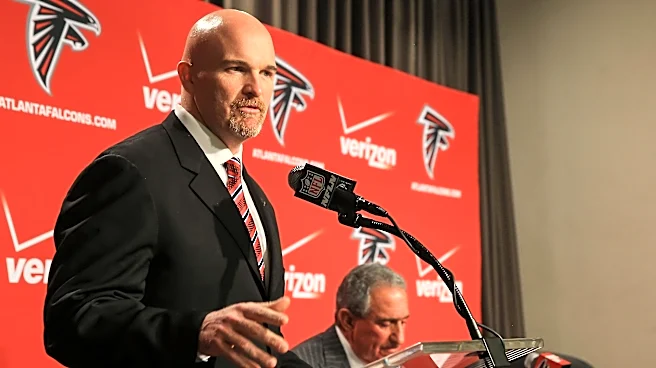
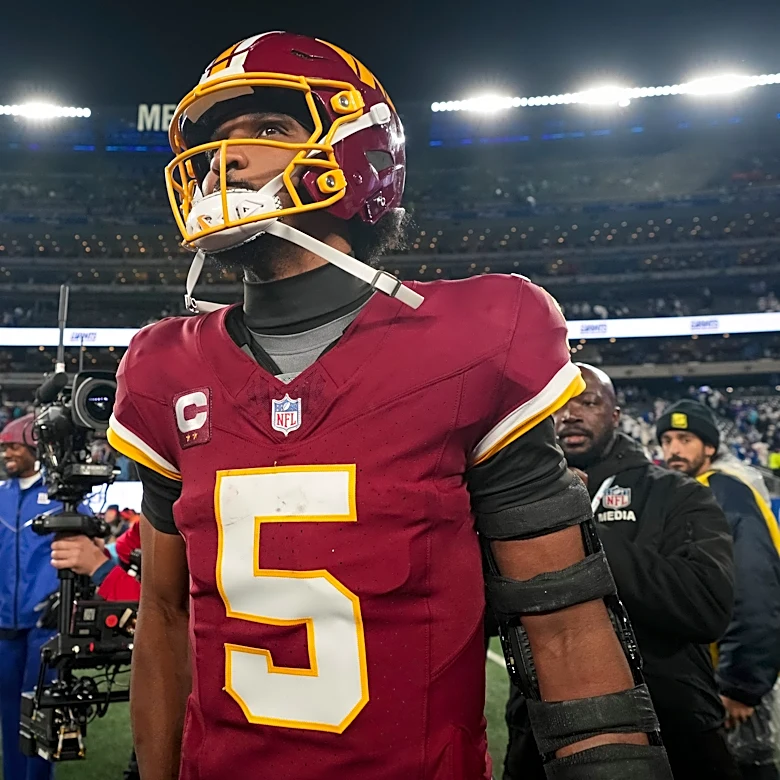
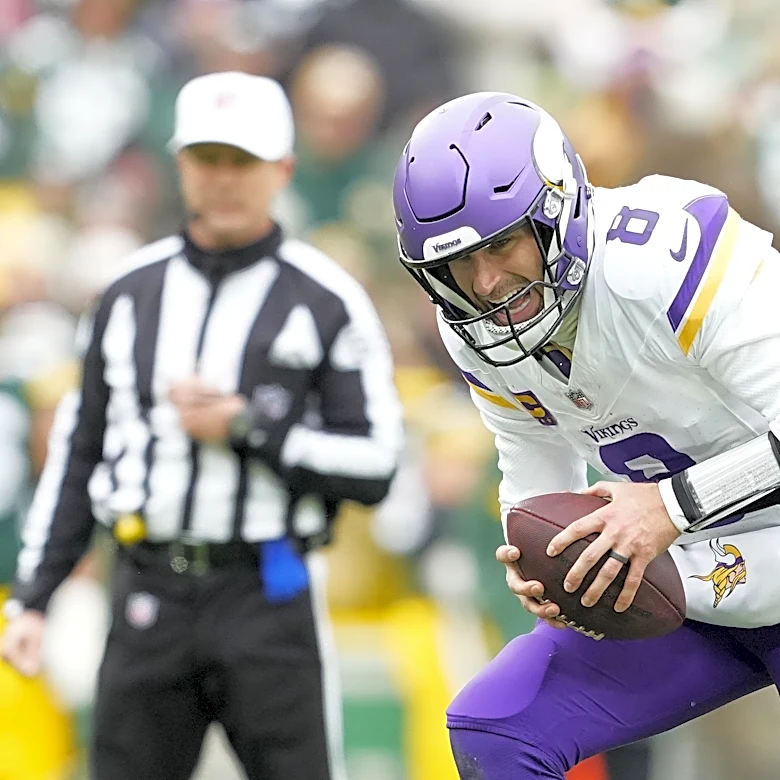
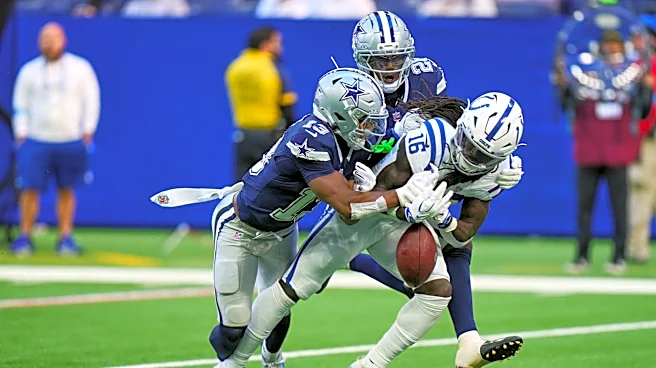
on years of analyzing all NFL teams and coaches, shows no link between coaching salaries or the number of coaches on staff and winning games. This statement comes as the Cowboys, valued at $15.5 billion by Sportico in 2026, are currently 3-5 this season under second-year head coach Brian Schottenheimer. Schottenheimer's estimated annual salary is between $5 million and $8 million, significantly less than the league's highest-paid coaches who average $20 million per season, with 10 coaches earning at least $14 million. The Athletic reported that coaches for six of the last 10 Super Bowl champions were among the highest paid, including Bill Belichick, Andy Reid, and Sean McVay.
Why It's Important?
Jerry Jones's stance challenges a common perception in professional sports that higher investment in coaching staff directly translates to better performance and more wins. His comments could influence how other NFL franchises, particularly those with significant financial resources, approach coaching contracts and team building strategies. If Jones's philosophy gains traction, it might lead to a re-evaluation of coaching compensation models across the league, potentially impacting the market value for head coaches and their staff. For the Cowboys, this approach reflects Jones's long-standing trust in his own process and could be seen as a justification for the current coaching structure, despite the team's recent playoff struggles. The team has made the playoffs in 13 of 30 seasons since 1996, a period following their three Super Bowl championships in the early 1990s.
What's Next?
The Dallas Cowboys will continue their 2026 season under head coach Brian Schottenheimer, with Jones's philosophy on coaching compensation likely guiding future decisions. The team's performance throughout the remainder of the season will be a key factor in validating or challenging Jones's assertion. If the Cowboys improve their record and make a deep playoff run, it could lend credence to Jones's argument that high coaching salaries are not a prerequisite for success. Conversely, continued struggles might intensify scrutiny on the team's coaching staff and Jones's management approach. The broader NFL community will likely observe the Cowboys' trajectory, potentially influencing how other teams negotiate coaching contracts and evaluate their own staffing strategies in the coming years.
Beyond the Headlines
Jones's comments delve into the complex dynamics of leadership and resource allocation in high-stakes professional sports. His argument suggests that intrinsic factors, coaching philosophy, or team chemistry might be more critical to success than the financial investment in a coach's salary. This perspective could spark a wider debate about the true drivers of performance in elite sports organizations, extending beyond just the NFL. It also highlights the unique position of an owner-general manager like Jones, who has the autonomy to implement such a contrarian view. The long-term implications could include a shift in how coaching talent is identified and valued, potentially prioritizing experience, innovative strategies, or leadership qualities over a coach's market price.