




What's Happening?
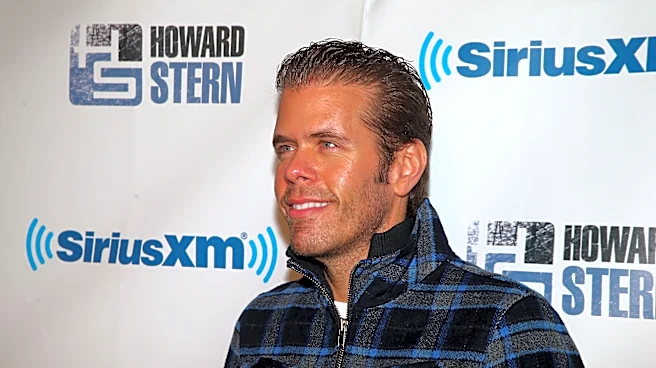
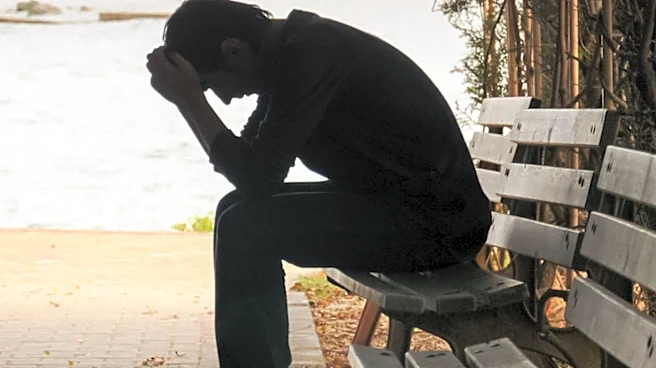
Perez Hilton, a prominent figure in celebrity gossip, recently made headlines after a concerning live broadcast on TikTok where he appeared covered in blood and expressed feelings of failure. Known for his controversial blog, PerezHilton.com, Hilton rose
to fame in the early 2000s by leveraging his connections with celebrities and his often harsh commentary on their lives. Over the years, his approach to celebrity journalism, which included outing individuals and making derogatory remarks, has been criticized. Despite his past success, Hilton's influence has waned with the rise of social media and changing public attitudes towards privacy and mental health. His recent public breakdown has drawn attention to the personal struggles he faces, including financial stress and health issues, as he attempts to recover with medical assistance.
Why It's Important?
The incident underscores the evolving landscape of celebrity journalism and the impact of public scrutiny on individuals. Hilton's story is a cautionary tale about the consequences of building a career on sensationalism and the potential personal toll it can take. As society becomes more aware of mental health issues, there is a growing call for more responsible reporting and empathy towards public figures. This shift reflects broader changes in media consumption, where audiences are increasingly critical of invasive and harmful narratives. Hilton's experience may prompt further discussions on the ethics of celebrity journalism and the need for supportive environments for those in the public eye.
What's Next?
Hilton's future remains uncertain as he continues to recover from his recent crisis. His family has expressed hope for his recovery, indicating that he is receiving medical care and is able to communicate. The incident may lead to increased scrutiny of the practices within celebrity journalism and potentially inspire reforms aimed at protecting both journalists and their subjects. Additionally, Hilton's story could serve as a catalyst for broader conversations about mental health support for individuals in high-pressure public roles.
Beyond the Headlines
Hilton's situation highlights the complex relationship between media figures and their audiences. As the line between public and private life blurs, there is a growing need to balance transparency with respect for personal boundaries. The rise of social media has democratized content creation, allowing more voices to participate in the conversation, but it also raises questions about accountability and the long-term effects of public exposure. Hilton's case may encourage a reevaluation of how media platforms handle sensitive content and the responsibilities of content creators in fostering a healthier digital environment.