




What's Happening?
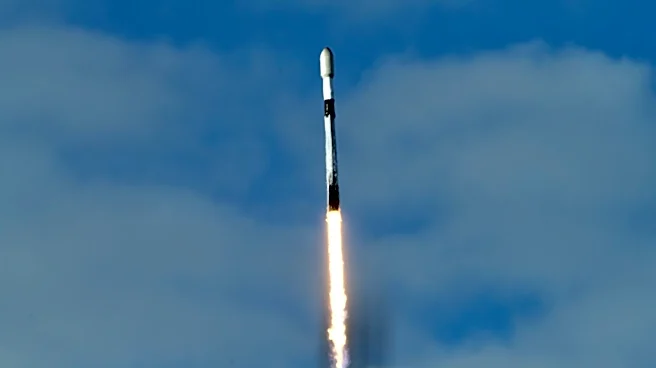
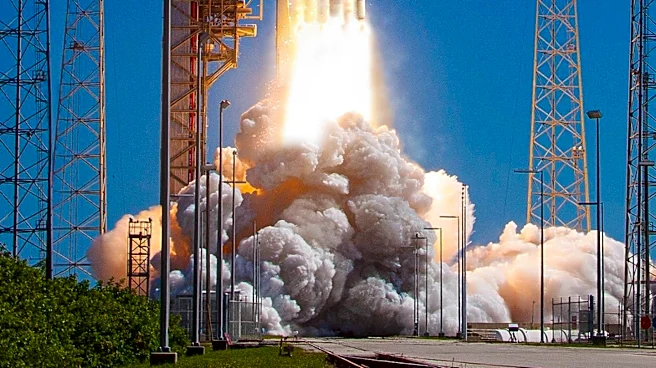
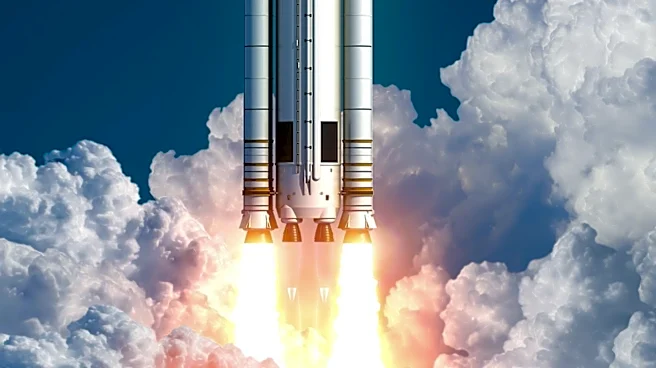
United Launch Alliance (ULA) is experiencing financial challenges following the grounding of its Vulcan Centaur rocket. The grounding was prompted by performance issues with the rocket's solid rocket boosters, which were identified during a mission for the U.S.
Space Force. As a result, ULA's corporate parent, Lockheed Martin, has guaranteed a loan to support the company's financial stability. The Vulcan Centaur has not launched since the incident, and ULA is working with Northrop Grumman to address the technical issues. Despite these setbacks, ULA and Lockheed Martin remain optimistic about the long-term prospects of the Vulcan program, citing a backlog of over 80 launches.
Why It's Important?
The grounding of the Vulcan Centaur rocket has significant implications for ULA and its stakeholders. The financial strain highlights the challenges faced by aerospace companies in maintaining operational stability amidst technical setbacks. The situation underscores the importance of reliable launch systems for national security and commercial purposes. ULA's ability to resolve these issues will impact its competitive position in the space launch market, particularly against rivals like SpaceX. The financial support from Lockheed Martin reflects the strategic importance of ULA's operations and the need to ensure continuity in its launch services.
What's Next?
ULA is expected to continue its efforts to resolve the technical issues with the Vulcan Centaur rocket. This may involve further testing and redesign of the affected components. The company will likely work closely with Northrop Grumman to expedite the resolution process. In the meantime, ULA's financial stability will be supported by the loan guarantee from Lockheed Martin. The aerospace industry will be closely monitoring ULA's progress, as the outcome will have implications for future contracts and partnerships. Additionally, the U.S. Space Force may adjust its launch manifest to accommodate the delays.