



What's Happening?
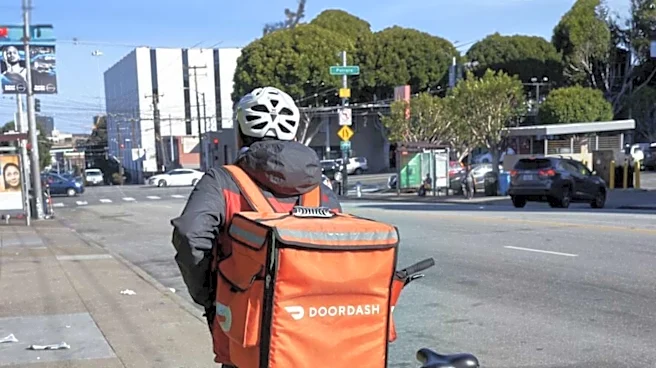
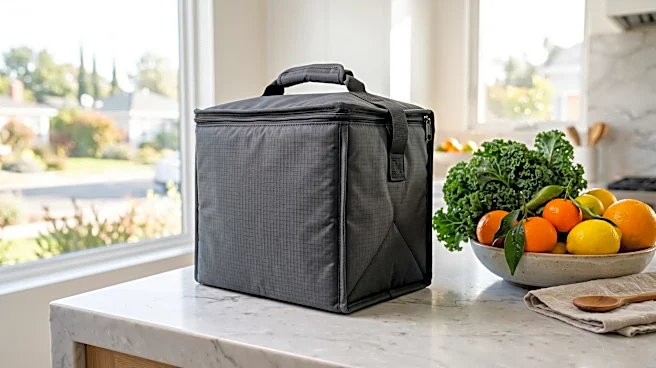
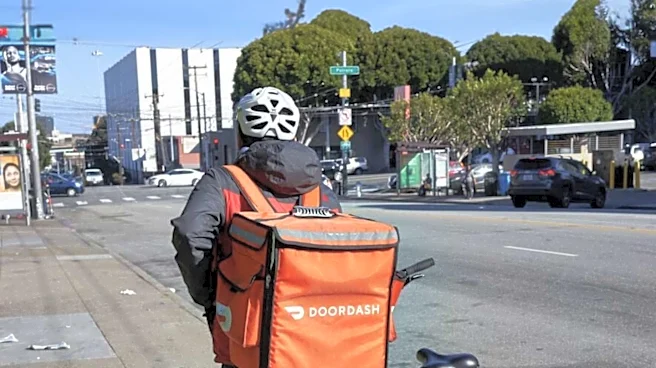
DoorDash is expanding its services beyond restaurant delivery to include same-day grocery and convenience store delivery. The platform now allows users to browse local grocery stores and fill virtual carts with fresh produce, frozen entrees, deli items,
and household essentials. This service aims to provide a practical solution for individuals seeking fresh food and pantry staples without the need for a physical store visit. The selection of items available reflects the inventory of local retailers partnered with DoorDash, meaning offerings may vary by location. In addition to full grocery runs, DoorDash also facilitates quick deliveries from convenience stores for items like snacks, candy, vitamins, and other household necessities, often promising delivery within an hour. The company positions this expansion as a comprehensive substitute for in-person shopping, covering a wide range of daily needs.
Why It's Important?
This expansion by DoorDash signifies a growing trend in the on-demand delivery market, where companies are diversifying their offerings to capture a larger share of consumer spending. For U.S. consumers, it provides increased convenience and flexibility, particularly for those with busy schedules or limited mobility. The service directly competes with traditional grocery stores and other delivery platforms, potentially driving innovation and competitive pricing in the sector. For local businesses, partnering with DoorDash can expand their reach and customer base, offering a new revenue stream. However, it also poses challenges for smaller, independent grocery stores that may struggle to compete with the logistical capabilities and marketing power of larger platforms. The shift towards digital grocery shopping could also impact urban planning and traffic patterns as more delivery vehicles operate in residential areas.
What's Next?
DoorDash is likely to continue expanding its network of partnered grocery and convenience stores across the U.S., aiming to increase its market penetration and service availability. The company may also introduce new features or subscription benefits, such as its DashPass membership, to incentivize regular use of its grocery delivery service. Competitors in the delivery space are expected to respond with their own enhanced offerings or strategic partnerships to maintain their market share. Consumers can anticipate a wider array of choices for same-day delivery of groceries and household items, potentially leading to more competitive pricing and faster delivery times. The long-term impact on traditional brick-and-mortar grocery stores will be a key area to watch, as they may need to adapt their business models to integrate more online ordering and delivery options.
Beyond the Headlines
The expansion of same-day grocery delivery services like DoorDash's reflects a broader societal shift towards convenience and on-demand services, accelerated by recent global events. This trend raises questions about the future of traditional retail, the gig economy's role in labor markets, and environmental impacts related to increased delivery vehicle traffic. From an ethical standpoint, concerns may arise regarding fair wages and working conditions for delivery drivers, as well as the potential for food waste if inventory management is not optimized. Legally, regulations around food safety, alcohol delivery, and data privacy will continue to evolve as these services become more prevalent. Culturally, the convenience of doorstep delivery could further reduce community engagement associated with local shopping, altering social dynamics in neighborhoods. This development underscores a fundamental change in how consumers access essential goods, with long-term implications for urban infrastructure and consumer behavior.