
What's Happening?
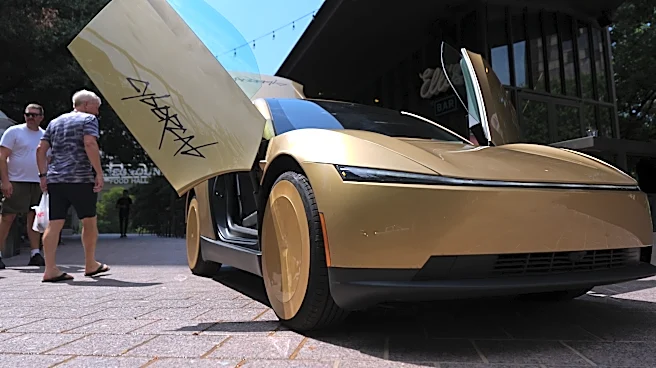
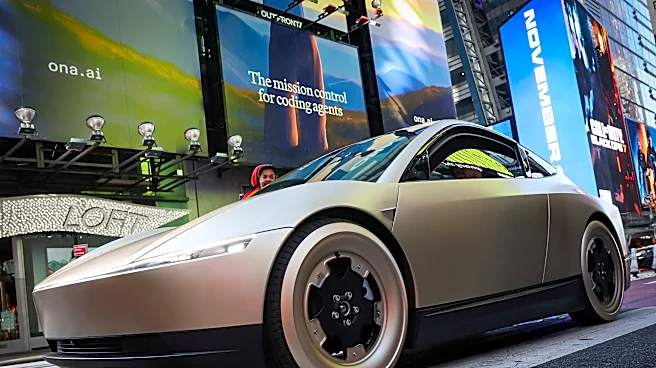
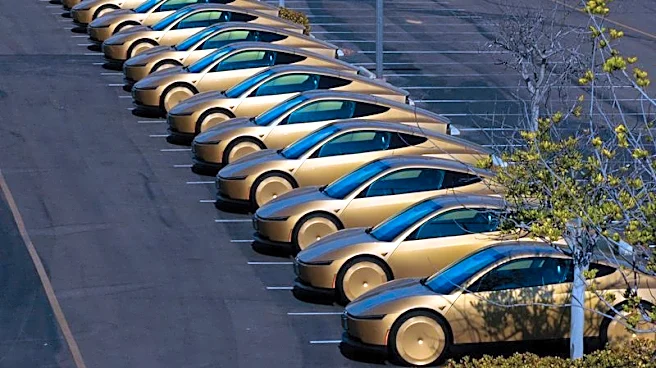
Tesla Inc. CEO Elon Musk announced that the electric motor in the company's new Cybercab operates without using any rare earth metals, a design choice he described as 'extremely hard to achieve.' This
development was highlighted by Tesla investor Sawyer Merritt, who noted on X that the Cybercab's motor is 18% smaller, 25% lighter, and more efficient than previous designs, while maintaining the same range. Musk confirmed the rare-earth-free aspect, touting it as a significant milestone for the electric vehicle manufacturer. This innovation could help Tesla mitigate potential supply chain disruptions, particularly given China's dominance in the global rare-earth supply chain and past uncertainties regarding U.S. tariffs on Chinese imports. Despite this technological advancement, investor Gary Black expressed skepticism about the Cybercab event, calling it 'largely a bust' due to a lack of detailed information, including deployment plans and regulatory uncertainties surrounding its non-traditional controls.
Why It's Important?
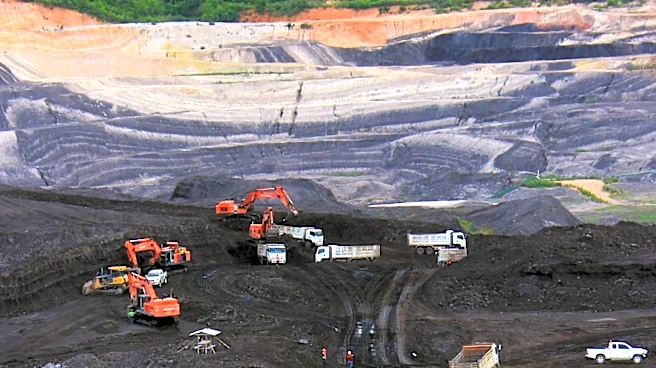
The development of a rare-earth-free electric motor by Tesla is a significant technological breakthrough with far-reaching implications for the electric vehicle industry and global supply chains. Rare earth metals are critical components in many high-performance magnets used in EV motors, and their supply is largely controlled by China, creating geopolitical vulnerabilities and potential for price volatility. By eliminating the need for these materials, Tesla could enhance its supply chain resilience, reduce manufacturing costs, and potentially accelerate EV adoption by making production less dependent on a concentrated resource. This innovation also aligns with broader sustainability goals by reducing reliance on mining practices often associated with environmental concerns. However, the skepticism from investors like Gary Black underscores the importance of clear communication and concrete deployment plans for new products, as technological innovation alone may not guarantee market success without a viable business strategy.
What's Next?
Tesla's next steps will likely involve scaling up production of the rare-earth-free motor for the Cybercab and potentially integrating this technology into other vehicle lines. The company will need to address investor concerns by providing more detailed information on Cybercab deployment strategies, production timelines, and how it plans to navigate regulatory hurdles associated with its unique control system (lack of steering wheel and pedals). The success of this motor design could prompt other automotive manufacturers to invest more heavily in developing similar rare-earth-free technologies, potentially leading to a broader industry shift away from these critical materials. Furthermore, the geopolitical landscape surrounding rare earth metals may shift if major EV producers can reduce their dependence, impacting trade relations and resource diplomacy. The market will be closely watching for updates on Cybercab's regulatory approvals and its eventual market introduction to assess the real-world impact of this technological advancement.
Beyond the Headlines
The move to rare-earth-free motors by Tesla represents a deeper strategic play beyond just supply chain security; it's a step towards greater technological independence and potentially a new standard for sustainable manufacturing in the automotive sector. This innovation could disrupt the rare earth mining industry, forcing producers to diversify their markets or innovate in other areas. Ethically, reducing reliance on rare earth mining, which often has significant environmental and social impacts, aligns with growing consumer and investor demand for more responsible production practices. Legally, it could preempt future trade disputes or tariffs related to critical minerals. Culturally, it reinforces Tesla's image as an innovator pushing the boundaries of what's possible in electric vehicle technology. In the long term, if successful, this could lead to a paradigm shift in how electric motors are designed and manufactured across various industries, not just automotive, fostering a more resilient and environmentally conscious global industrial base.