





What's Happening?
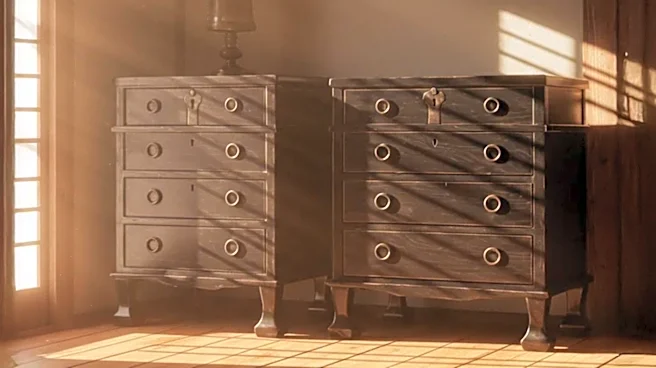
Interior designers are increasingly seeking out unassuming French antiques, particularly those with rustic charm and aged patina, to create interiors that feel collected and authentic rather than overly decorated. Items such as earthenware confit pots,
vintage grain sacks, Savoie pottery, mercantile objects, characterful oil paintings, copperware, and rustic wooden stools are highly coveted. These pieces, often found in French brocantes or antique stores, are valued for their imperfections, historical narratives, and the warmth and texture they bring to a space. Designers like Sean Symington and Benji Lewis emphasize that these items don't need to be grand or expensive to be impactful, focusing instead on their character and craftsmanship.
Why It's Important?
This trend significantly influences the U.S. interior design and antique markets by driving demand for specific types of vintage European goods. It highlights a shift in design philosophy towards authenticity, sustainability, and storytelling within home decor. For antique dealers and importers, it creates a lucrative market for items that might have previously been overlooked. Consumers benefit from this trend by being able to achieve sophisticated, character-rich interiors without necessarily investing in high-end, pristine antiques. It also encourages a more sustainable approach to decorating by repurposing existing items rather than constantly buying new. The emphasis on mixing old and new, rustic and elegant, offers a versatile and timeless aesthetic that resonates with a broad audience.
What's Next?
The demand for rustic French antiques is likely to continue growing, leading to increased sourcing efforts by dealers and designers. Online platforms and specialized antique stores in the U.S. will likely expand their offerings of these specific items. We may see more interior design firms specializing in 'collected' or 'curated' aesthetics, further popularizing this style. Workshops and guides on how to identify and incorporate authentic vintage pieces into modern homes could also become more prevalent. This trend might also inspire a broader appreciation for local craftsmanship and historical items within the U.S., as consumers seek similar character and authenticity in domestically sourced goods.
Beyond the Headlines
Beyond the aesthetic appeal, the preference for rustic French antiques reflects a deeper cultural appreciation for history, craftsmanship, and the stories embedded in objects. In an era of rapid consumption, choosing antiques is an act of conscious living, valuing longevity and sustainability. These pieces often evoke a sense of nostalgia and connection to the past, creating spaces that feel lived-in and personal rather than sterile. The 'imperfections' celebrated in these items challenge modern ideals of flawless perfection, promoting an acceptance of age and wear as part of an object's beauty and narrative. This approach to interior design fosters a more meaningful relationship between individuals and their living environments, transforming homes into curated reflections of personal history and taste.