








What's Happening?
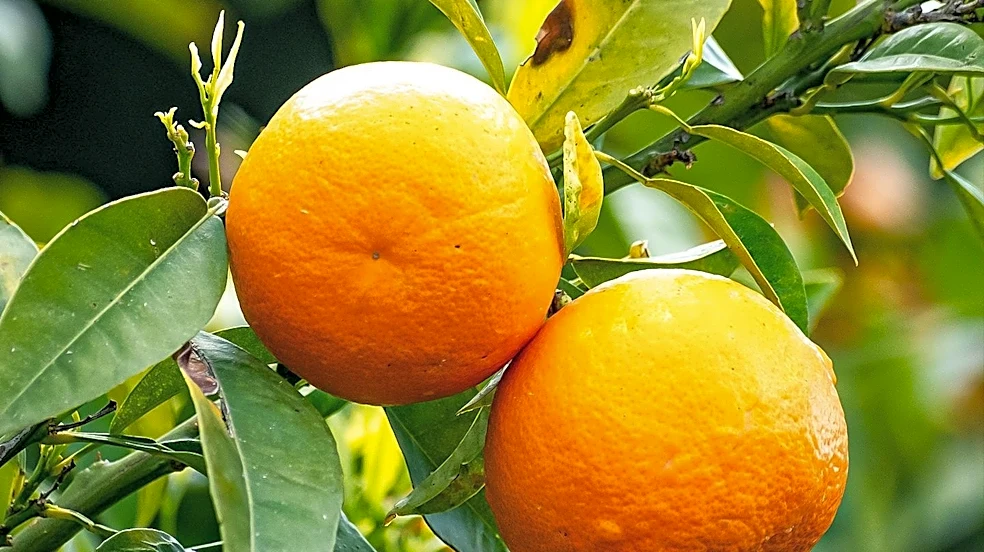
Japanese Mikan oranges, botanically classified as Citrus unshiu, are a significant type of Asian citrus widely cultivated and consumed. These small to medium-sized mandarins are known for their easy-to-peel, thin rind and sweet, subtly tangy, seedless
or nearly seedless flesh. Mikans are available from late fall through spring, with varieties categorized by ripening times: Goku wase (super early), wase (early season), Nakate (mid-season), and Okute or Futsu Unshu (main season). The Ehime Prefecture, particularly the Maana district, is a prominent Mikan-producing region, where the fruit accounts for approximately seventy percent of citrus grown. Maana Mikans are cultivated on terraced fields facing the Uwa Sea, benefiting from ample sunshine, a warm climate, and mineral-rich breezes. The fruit holds cultural significance, with traditions like O-Mikan-Yaki in December, where roasted Mikans are consumed for protection against sickness.
Why It's Important?
The cultivation and cultural significance of Japanese Mikan oranges highlight the deep connection between agriculture, tradition, and local economies. For the U.S., where Mikans (often known as Satsumas) were introduced in Florida in 1878, this story underscores the global exchange of agricultural products and the adaptation of specific crops to new environments. The detailed cultivation practices in Maana, utilizing terraced fields and specific climatic conditions, offer insights into sustainable and specialized farming methods that maximize yield and quality. The Mikan's role as a cash crop and its historical use as currency in Maana demonstrate its economic importance, providing a parallel to how certain agricultural products can become foundational to regional economies. Furthermore, the traditional practices associated with Mikans, such as O-Mikan-Yaki, illustrate the cultural value embedded in food beyond mere sustenance.
What's Next?
Mikan oranges will continue to be harvested and distributed from late fall through spring, with different varieties becoming available throughout the season. Growers in regions like Ehime Prefecture will maintain their traditional cultivation methods, which have been recognized as a Japanese Nationally Important Agricultural Heritage Systems site. Research into Mikan varieties, such as the 2016 DNA testing by NARO that identified its likely parentage, will likely continue to enhance understanding of citrus genetics and potentially lead to improved cultivation techniques or new varieties. Consumers can expect to find Mikans in farmer's markets, specialty grocers, and distributors, both in Japan and internationally, including in the U.S. The cultural traditions surrounding Mikans, such as the O-Mikan-Yaki, are expected to persist as part of local customs.
Beyond the Headlines
The story of Japanese Mikan oranges extends beyond their agricultural and economic value, touching upon themes of cultural identity and historical migration. The dispute over their exact origins (Japan or China) and their subsequent journey to Japan, Europe, and the U.S. illustrate the complex history of plant domestication and global agricultural diffusion. The Mikan's adaptation to diverse climates, from its origins to its successful cultivation in Florida, showcases the resilience and adaptability of certain plant species. The designation of Maana as an Agricultural Heritage Systems site emphasizes the global recognition of traditional farming landscapes and practices as valuable cultural assets. This broader perspective highlights how a single fruit can embody centuries of human interaction with nature, trade, and cultural development, offering lessons in biodiversity, sustainable agriculture, and cultural preservation.