







What's Happening?
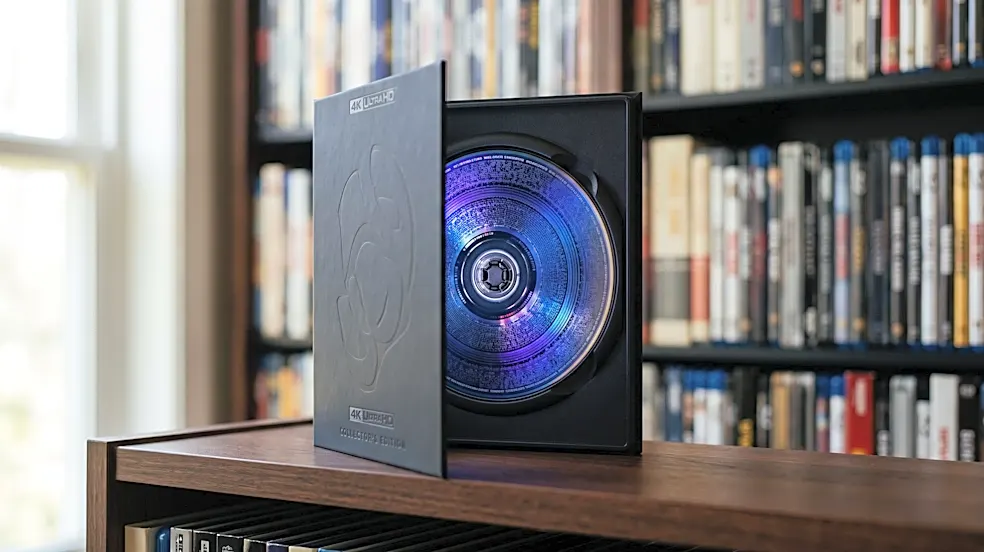
The Criterion Collection, a company known for its releases of classic and contemporary films, is facing scrutiny for its practice of re-releasing titles, particularly when upgrading to 4K editions. Critics note that the company often sells the same Blu-ray
Discs (BDs) it initially released almost two decades ago. When these titles are upgraded to 4K, new content is frequently not added, leading to concerns among collectors. This trend of 'double-dipping' or 'triple-dipping' on releases, as described by some fans, preys on collectors' desire for the latest formats, even if the supplementary material remains unchanged. The company's catalog includes a wide range of films, from "The Irishman" (2019) to "Eraserhead" (1977), and its releases are often highlighted in various film discussions and lists, such as Sonic Youth's top ten Criterion films.
Why It's Important?
This practice by the Criterion Collection is significant for the home entertainment market and film preservation. While re-releasing popular titles in new formats can be a profitable strategy, it raises questions about consumer value and the perceived commitment to providing fresh content. For film enthusiasts and collectors, the expectation often includes new bonus features, updated commentaries, or improved packaging with format upgrades. The absence of such additions can lead to buyer fatigue and a sense that companies are prioritizing profit over comprehensive archival efforts. This approach could also influence how other boutique labels and major studios handle their catalog titles, potentially setting a precedent for minimal content additions in future re-releases. The debate highlights the tension between commercial viability and the desire for thorough, value-added film preservation.
What's Next?
The ongoing discussion among film collectors and enthusiasts regarding Criterion's re-release strategy may prompt the company to re-evaluate its approach to content upgrades. While the company has a strong brand reputation and a loyal customer base, continued criticism could impact future sales of upgraded editions if consumers perceive a lack of added value. Other boutique labels in the home entertainment market might observe these discussions to inform their own release strategies, potentially leading to a broader industry trend of either more robust content additions or a continuation of minimal upgrades. The long-term impact could see a shift in collector behavior, with some becoming more selective about purchasing re-releases that do not offer substantial new material.
Beyond the Headlines
Beyond the immediate concerns of collectors, this situation touches upon the broader ethics of intellectual property and consumer expectations in the digital age. As technology advances and new formats emerge, companies face the challenge of balancing profitability with the perceived value of their products. The Criterion Collection, with its reputation for curating significant films, holds a unique position in this landscape. The debate over its re-releases underscores a fundamental question: what constitutes a 'definitive' edition of a film, and how much new content is owed to consumers with each technological leap? This issue also reflects the evolving nature of film consumption, where physical media competes with streaming services, and the value proposition of owning a physical copy becomes increasingly tied to exclusive content and superior presentation.