






What's Happening?
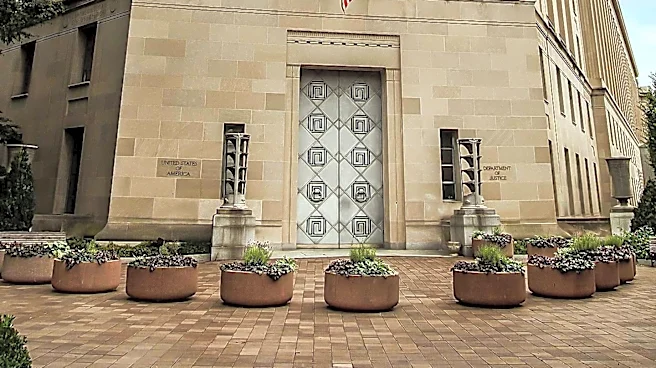
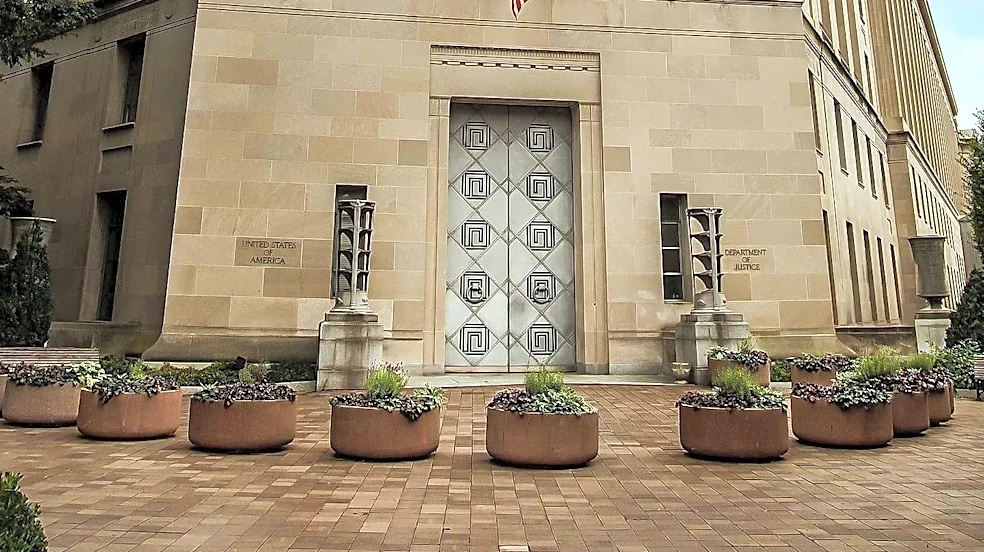
The Justice Department and the Federal Trade Commission (FTC) have filed a lawsuit against REPS & Company Inc., a San Diego-based ticket broker, and three of its executives: Ryan Pancheri, Brian Archibald, and Nicholas Totagrande. The lawsuit alleges
that REPS & Company Inc. violated the FTC Act and the Better Online Ticket Sales (BOTS) Act by using illegal methods to acquire a massive number of tickets for high-demand events, including Beyoncé's Renaissance Tour. Specifically, for Beyoncé's final tour date in 2023, the company reportedly used 1,300 Ticketmaster accounts to purchase 7,624 tickets, generating approximately $833,323 in profit from their resale. The complaint states that REPS & Company Inc. built its business model around identifying high-demand events and buying up tickets before ordinary consumers could, often at lower prices. To achieve this, the company allegedly opened thousands of accounts on ticketing platforms like Ticketmaster and AXS, employed buyers in the Philippines, and concealed their IP addresses using VPNs and other tools. Since 2022, REPS & Company Inc. has reportedly spent over $1.3 billion to acquire more than 18.5 million tickets for approximately 83,000 events, including concerts, Broadway shows, and college games, ultimately clearing an estimated $120.8 million in profit through resales on platforms such as StubHub, Vivid Seats, SeatGeek, Gametime, and Ticketmaster's own resale platform.
Why It's Important?
This lawsuit is significant because it highlights the ongoing struggle against ticket scalping and its impact on consumers and the live entertainment industry. The alleged actions of REPS & Company Inc. demonstrate how sophisticated ticket brokers can exploit loopholes and technology to circumvent purchase limits, making it difficult for average fans to buy tickets at face value. This practice drives up prices on the secondary market, making live events less accessible and more expensive for the general public. The BOTS Act was specifically enacted to prevent such practices, and the Justice Department's enforcement action underscores a commitment to protecting consumers from predatory ticket resale schemes. The scale of REPS & Company Inc.'s operations, involving billions of dollars in ticket purchases and millions in profit, indicates a systemic issue within the ticketing industry that affects a wide range of events beyond just major concerts. This case could set a precedent for how aggressively the government pursues companies that violate ticket purchasing regulations, potentially leading to stricter enforcement and new measures to ensure fair access to event tickets.
What's Next?
The lawsuit against REPS & Company Inc. will proceed in the U.S. District Court for the Southern District of California. The Justice Department and the FTC will aim to prove that the company and its executives violated the FTC Act and the BOTS Act. If found liable, REPS & Company Inc. could face significant penalties, including fines and injunctions that would prevent them from engaging in similar practices in the future. This case may also prompt ticketing platforms to enhance their security measures and implement more robust systems to detect and prevent bulk ticket purchases by bots and brokers. Furthermore, the outcome could influence future legislative efforts to strengthen consumer protections in the live event ticketing market. Assistant Attorney General Brett A. Shumate has indicated that the department will continue to enforce the BOTS Act alongside the FTC, suggesting that similar actions against other ticket brokers might follow. Consumers can anticipate continued efforts by regulatory bodies to curb illegal ticket resale activities, potentially leading to a more equitable ticket purchasing experience in the long run.
Beyond the Headlines
The legal action against REPS & Company Inc. delves into the ethical and economic dimensions of the secondary ticket market. While ticket resales are not inherently illegal, the methods employed by companies like REPS & Company Inc., which involve circumventing established purchasing limits and using deceptive practices, raise questions about fairness and market manipulation. This case underscores the tension between the desire for free market operations and the need for consumer protection in industries where demand often far outstrips supply. The use of international buyers and VPNs to mask activities also highlights the global nature of these operations and the challenges in regulating them across borders. Beyond the immediate financial impact on consumers, such practices can erode trust in the ticketing system and the artists themselves, as fans become frustrated with inflated prices and limited access. The lawsuit could spark broader discussions about the role of technology in facilitating both legitimate and illicit activities in online marketplaces, and the responsibility of platforms to prevent abuse. It also brings to light the ongoing debate about whether artists and venues should implement more direct sales models or stricter resale policies to combat scalping.